
What Are the Different Types of Skin Cosmetics?

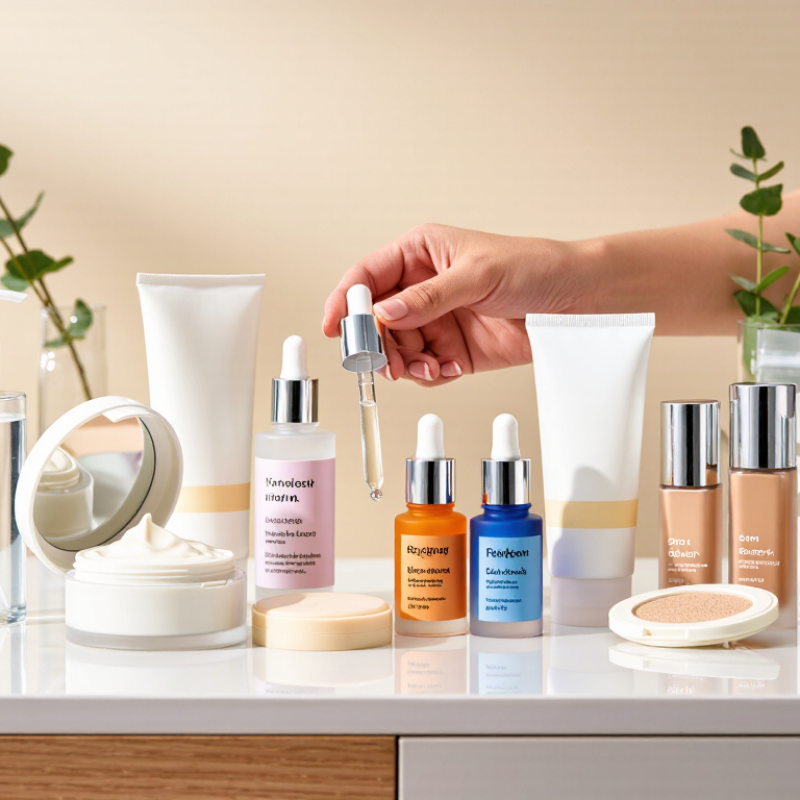
Skin Cosmetics include products designed to cleanse, hydrate, protect, or improve the appearance of skin. Common types include facial cleansers, moisturizers, sunscreen, serums, exfoliants, masks, and complexion makeup. Their formats matter: a gel cleanser feels different from a cleansing balm, while a cream moisturizer may suit dry-feeling skin better than a light lotion. The categories can overlap. A tinted sunscreen, for example, offers both coverage and sun protection.

Market data shows why these products deserve a clear guide. Grand View Research estimated the global skincare products market at USD 115.65 billion in 2023, reflecting wide consumer demand. Cosmetics Europe’s 2023 market performance report valued European skincare sales at about EUR 27.1 billion. These figures describe markets, not product effectiveness. That distinction matters. A high-selling serum is not automatically the right choice for every person or skin concern.

This overview will explain what each major product type does, how its format and intended use differ, and what to consider when choosing among options. It will also distinguish everyday cosmetic purposes from claims that require stronger evidence, such as promises to treat a condition. Labels and product categories are not always intuitive. Even experienced shoppers can find them confusing. That is worth acknowledging: skin needs vary, and no single routine works for everyone. The goal is practical understanding, not a perfect-skin promise.
What Are the Different Types of Skin Cosmetics?

How Skin Cosmetics Are Classified by Their Main Purpose

Skin cosmetics are best classified by their main purpose, not by whether they come in a jar, tube, or pump bottle. Some products cleanse; others hydrate, protect, or improve the skin’s visible appearance. One product may do several jobs. That overlap matters.

Cleansers lift away oil, sweat, and makeup, while moisturizers help reduce dryness and support a comfortable skin barrier. Protective products, such as sunscreen, help limit exposure to ultraviolet rays when used as directed. Exfoliating and tone-evening cosmetics target rough texture or uneven-looking colour. They can irritate sensitive skin, though, so stronger is not automatically better. A patch test is a small but useful step.

The market reflects this broad range of needs. Grand View Research’s 2024 skincare market report estimated global sales at USD 145.3 billion in 2023, with facial care accounting for 41.4% of revenue. Those figures describe a large category, not proof that every product works for every person. Read the intended use and ingredient list, and pay attention to how skin responds over time. Classification helps narrow the shelf; it cannot make the choice for you.

What Are the Different Types of Skin Cosmetics?

Skin cosmetics can be grouped by their main purpose. The chart counts representative product types in each group, not sales or market share.

Common categories include cleansing, moisturizing, sun protection, targeted care, and complexion products. Some products may serve more than one purpose.

Cleansers and Exfoliants

Cleansers remove sunscreen, oil, sweat, and everyday grime; they should not leave skin tight or squeaky. A gentle, fragrance-free formula is often a sensible starting point, especially for dry or sensitive skin. Use lukewarm water and fingertips, not a rough washcloth. The American Academy of Dermatology recommends washing the face no more than twice daily and after sweating. More cleansing is not automatically better. A review in the International Journal of Cosmetic Science reported an average skin-surface pH of about 4.7, a reminder that harsh, highly alkaline products may disturb the skin’s natural environment. Still, pH alone cannot predict how every cleanser will feel or perform.

Exfoliants loosen or remove dead surface cells. Physical options use particles or textured tools; chemical options use acids such as glycolic or salicylic acid. Start with one product and use it sparingly, then watch for lasting redness, burning, or flaking. The AAD cautions that exfoliation can worsen irritation, particularly for dry, sensitive, or acne-prone skin. That can backfire. Avoid scrubbing active irritation, and do not treat a sting as proof that a product works. In practice, the right frequency varies; even a careful routine may need adjustment when weather, medication, or skin condition changes. A small patch test can help, though it is not a guarantee. Less is often enough.

Moisturizers and Skin-Barrier Products

Moisturizers and skin-barrier products support the outer layer of skin by reducing water loss and softening rough patches. They usually combine humectants, such as glycerin, with emollients or occlusives that smooth or seal the surface. Ceramides are also common, because they are natural components of the skin barrier. A useful texture test: spread a small amount on the back of your hand. If it stays tacky or feels tight, it may not suit your routine. Simple, not magical.

The Global Burden of Disease 2019 analysis estimated that 171.2 million people worldwide lived with atopic dermatitis that year, highlighting the broad impact of skin-barrier problems. This figure describes a condition, not the number of people who need a cosmetic moisturizer.

For everyday care, creams often feel more protective than lotions, while ointments can be useful on very dry areas. Apply moisturizer after washing, while skin is still slightly damp, and choose fragrance-free products if fragrance tends to irritate you. Patch-test new products first. No formula works for everyone; even a well-chosen cream can feel unpleasant in warm weather. That matters.

Targeted Treatments and Sunscreens

Targeted treatments address particular concerns, such as acne, uneven tone, or rough texture. For clogged pores, a product with salicylic acid may help; benzoyl peroxide can reduce acne-causing bacteria. Retinoids may improve breakouts and fine lines, but can cause dryness or irritation. Introduce one active ingredient at a time, and follow its label. More is not always better. If a product causes persistent burning, swelling, or a rash, stop using it and seek professional advice. I’ve found it easy to blame a product too quickly; keeping a simple routine can make reactions easier to assess.

Sunscreen helps protect skin from ultraviolet radiation and supports efforts to prevent sun damage. Choose broad-spectrum protection with SPF 30 or higher. Apply it generously to exposed skin, including ears, neck, and the backs of hands. Reapply about every two hours outdoors, and after swimming or sweating. A hat and shade add useful protection. Sunscreen can feel greasy or leave a cast, so texture matters: a formula you’ll use consistently is more practical than one left untouched on the shelf.

Tips: Patch-test new treatments on a small area first. Add products gradually, and avoid layering several irritating ingredients at once. If you have persistent acne, sensitivity, or a changing skin spot, consult a qualified health professional.

What Are the Different Types of Skin Cosmetics? - Targeted Treatments and Sunscreens

Product Type Common Active Ingredients Main Purpose Typical Use Helpful Considerations
Retinoid treatments Retinol, retinal, adapalene Support skin cell turnover and help improve the appearance of acne, uneven texture, and fine lines. Usually applied at night to clean, dry skin; begin gradually and follow the product directions. May cause dryness, redness, or irritation. Daily sunscreen is important when using products that can increase sun sensitivity.
Exfoliating treatments Alpha hydroxy acids (AHAs), such as glycolic or lactic acid; beta hydroxy acid (BHA), such as salicylic acid Loosen surface dead skin cells; salicylic acid can also help unclog pores. Use as directed, often in the evening. Start with less frequent use if you are new to exfoliating acids. Overuse or combining several exfoliants may irritate skin. Use sun protection, especially when using AHAs.
Antioxidant serums Vitamin C (ascorbic acid and derivatives), vitamin E Provide antioxidant support and help improve the appearance of uneven tone and dullness. Often applied in the morning before moisturizer and sunscreen, according to the product directions. Formulas can vary in stability and tolerance. Discontinue use if persistent irritation develops.
Barrier-supporting treatments Niacinamide, ceramides, glycerin, hyaluronic acid Help moisturize skin and support the skin barrier; niacinamide may also help improve the appearance of uneven tone. Commonly used once or twice daily, alone or in a moisturizer. Generally suitable for many routines, though individual sensitivity can occur. Patch-test unfamiliar products.
Acne treatments Benzoyl peroxide, salicylic acid, adapalene Help address acne through effects such as reducing acne-causing bacteria, unclogging pores, or supporting skin cell turnover. Apply as directed; introduce one active treatment at a time to help assess tolerance. Benzoyl peroxide may dry or irritate skin and can bleach towels, clothing, and bedding. Seek professional advice for persistent or severe acne.
Mineral sunscreen Zinc oxide, titanium dioxide Protects skin from ultraviolet (UV) radiation when labeled broad spectrum. Apply generously to exposed skin before sun exposure; reapply at least every two hours and after swimming or sweating, following label directions. Choose broad-spectrum SPF 30 or higher for routine outdoor protection. Sunscreen works best alongside shade and protective clothing.
Organic-filter sunscreen UV filters such as avobenzone, octocrylene, or other approved filters, depending on the country Absorbs UV radiation to help protect skin; broad-spectrum formulas cover UVA and UVB. Apply generously and evenly before sun exposure; reapply at least every two hours and after swimming or sweating, following label directions. Choose broad-spectrum SPF 30 or higher for routine outdoor protection. Check the label for water-resistance duration when swimming or exercising.

Primers, Foundations, and Other Complexion Cosmetics

Primers, Foundations, and Other Complexion Cosmetics

Complexion cosmetics create a base, but each product has a different job. Primer is applied before foundation to smooth the feel of skin or help makeup sit more evenly. Some formulas add hydration; others reduce shine or soften the look of pores. A pea-sized amount is often enough. Too much can make foundation slide, though results vary with skin and product texture.

Less can be more.

Foundation evens the appearance of skin while allowing different levels of coverage. Liquid formulas can be spread with fingers, a damp sponge, or a brush; powder versions may feel lighter and work well for quick touch-ups. Tinted moisturizers offer a sheer option, while concealer targets smaller areas, such as under the eyes or around a blemish. Setting powder can reduce shine, but applying it heavily may emphasize dry patches.

I still find that matching foundation in indoor light can be misleading; check the shade near a window, along the jaw. For sensitive skin, try a small patch first and stop if irritation develops. No finish suits everyone.