

Top 10 Peppermint Perfume Types to Buy Worldwide?
Peppermint Perfume can feel like a cold breeze across sun-warmed skin. Its opening often suggests crushed mint leaves, clean glass, and bright morning air. Yet peppermint is not always simple. Some formulas smell icy and medicinal, while others become creamy, citrusy, woody, or softly sweet.
Mandy Aftel, an acclaimed natural perfumer and founder of Aftelier, describes fragrance as “a language without words.” That idea fits peppermint especially well. A single spray can suggest energy, cleanliness, confidence, or even winter memories. However, this ranking cannot suit every nose. Skin chemistry changes the dry-down. Climate changes the experience. A fresh scent may feel elegant in humid Singapore but too sharp in a dry northern winter.
This guide examines ten Peppermint Perfume types available across international markets. It considers scent character, longevity, concentration, ingredient transparency, packaging, and everyday practicality. Some choices are minimalist eau de parfums. Others combine peppermint with lavender, vanilla, cedar, citrus, or soft musk. The details matter. A mint note on a paper strip may sparkle for minutes, then disappear on warm skin.
Try before buying.
Spray one pulse on the wrist. Wait thirty minutes. Notice the middle stage, not only the dramatic opening. Patch testing is sensible, especially for sensitive skin. Product availability also changes by country, retailer, and season. Therefore, the list offers direction rather than a permanent verdict. A few selections may be imperfect. That is intentional. Fragrance is personal, and the best peppermint scent is often discovered through patient comparison, not confident promises.
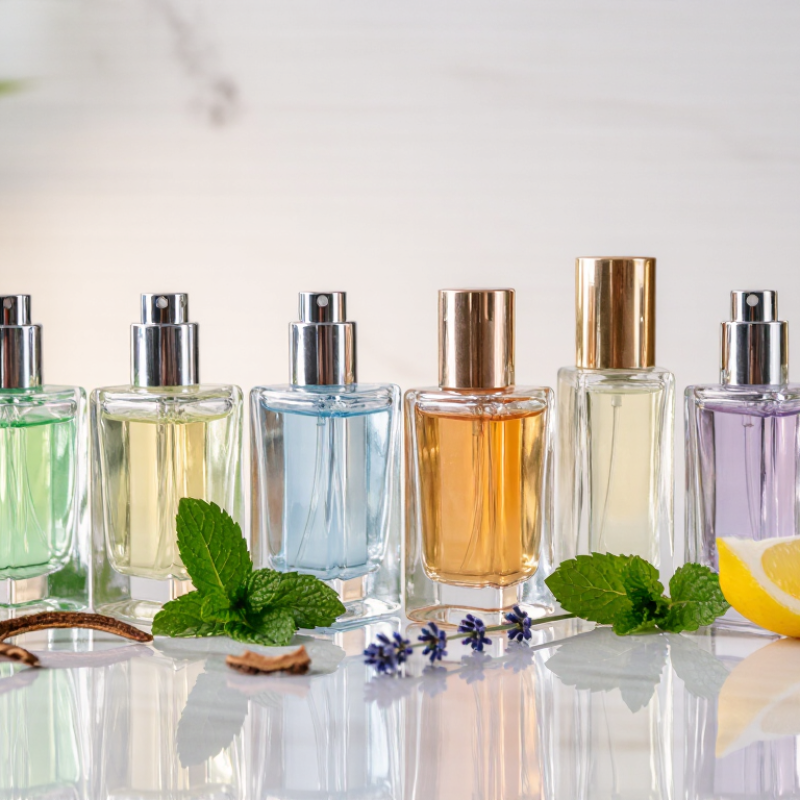
Define Peppermint Perfume Types Using ISO 9235 Fragrance Terminology
Top 10 Peppermint Perfume Types to Buy Worldwide?
Define Peppermint Perfume Types Using ISO 9235 Fragrance Terminology
Peppermint perfume is not one technical category. ISO 9235:2021 describes peppermint essential oil as a natural aromatic raw material obtained through distillation. This separates it from peppermint absolute, concrete, tincture, and synthetic peppermint aroma materials. These terms matter when comparing ten common types: essential-oil, natural extract, tincture, hydrosol-led, mint accord, woody mint, citrus mint, floral mint, gourmand mint, and synthetic mint compositions. Some retail labels blur these differences.
The fragrance market supports careful classification. Grand View Research valued the global fragrance market at about 50.85 billion US dollars in 2023. Its report projects continued growth through 2030, increasing the need for clearer ingredient language. A perfume with peppermint essential oil may smell cold, green, and sharply camphoraceous. A mint accord can feel softer and sweeter, even without peppermint oil. That distinction is practical, not cosmetic.
IFRA guidance also supports responsible fragrance evaluation, because natural does not automatically mean safer. Check the ingredient disclosure, concentration, intended use, and allergen information. A ten-type ranking can help shoppers, but it remains subjective. Skin chemistry changes the result. I have found that one spray on paper can feel icy, while the same formula becomes warm on skin. That imperfect test deserves more attention. Always compare terminology, sensory effect, and usage guidance before buying worldwide.
Top 10 Peppermint Perfume Types to Buy Worldwide? – Define Peppermint Perfume Types Using ISO 9235 Fragrance Terminology
| No. | Peppermint Perfume Type | ISO 9235-Aligned Natural Material Description | Primary Odor Profile | Typical Natural Source or Format | Key Chemical Character | Best Fragrance Use |
|---|---|---|---|---|---|---|
| 1 | Classic Peppermint Essential Oil | Natural essential oil obtained by steam distillation of peppermint herb | Minty, fresh, cooling, herbaceous, slightly camphoraceous | Mentha × piperita leaves and flowering tops | Menthol-rich with menthone and menthyl acetate contributing freshness and lift | Top note, aromatic accords, fresh personal fragrance |
| 2 | Menthol-Crystal Peppermint Style | Natural aromatic material presented as isolated menthol crystals from peppermint oil | Intensely minty, penetrating, cooling, camphoraceous | Crystallized menthol fraction of peppermint essential oil | Predominantly menthol; sharper and less rounded than whole oil | Cooling accords and controlled mint enhancement |
| 3 | Menthone-Led Peppermint Style | Peppermint oil profile with a pronounced ketonic, minty character | Fresh, minty, green, cool, lightly peppery | Peppermint essential oil selected for its menthone impression | Menthone gives a crisp, less sweet and more incisive effect | Modern fresh fragrances and aromatic top accords |
| 4 | Green Herbaceous Peppermint | Natural peppermint oil emphasizing the leafy and herbaceous part of the odor profile | Green, herbaceous, minty, fresh, slightly bitter | Steam-distilled peppermint herb with a pronounced leafy nuance | Balanced menthol and menthone with a greener aromatic impression | Botanical, herbal and unisex fragrance compositions |
| 5 | Sweet Mint Peppermint Style | Natural peppermint material with a softer, sweeter aromatic balance | Minty, fresh, sweet, cool, mildly balsamic | Peppermint oil blended with naturally compatible sweet aromatic materials | Menthol freshness rounded by sweet-smelling supporting materials | Candy-inspired, gourmand and approachable daily scents |
| 6 | Camphoraceous Peppermint Style | Natural peppermint profile with a distinct camphoraceous aromatic nuance | Minty, camphoraceous, medicinal, cool, penetrating | Peppermint essential oil with a more pronounced sharp aromatic facet | Menthol and ketonic constituents create a brisk, high-impact profile | Functional-fresh, sport, spa and aromatic perfume styles |
| 7 | Peppermint Hydrosol Mist | Natural aqueous distillate produced during essential-oil distillation | Soft minty, fresh, watery, herbaceous | Peppermint floral water or hydrosol | Much more dilute and gentler than peppermint essential oil | Light body mist, linen spray and refreshing aromatic water |
| 8 | Peppermint Absolute-Style Accord | Perfume accord designed to imitate a richer peppermint extract profile; not the standard distilled essential oil | Minty, green, sweet, dense, slightly earthy | A formulated accord using peppermint oil and complementary natural or synthetic materials | Broader odor profile than isolated menthol or mint oil alone | Fine-fragrance heart accents and richer mint compositions |
| 9 | Peppermint and Citrus Freshness | Peppermint essential oil used with natural citrus essential oils in a fresh aromatic composition | Minty, fresh, citrusy, sparkling, cooling | Peppermint oil combined with citrus oils such as lemon, bergamot or orange | Volatile citrus terpenes increase brightness and initial diffusion | Summer, sport, cologne and energizing fragrance styles |
| 10 | Peppermint and Woody Aromatic | Peppermint essential oil structured with woody and aromatic natural materials | Minty, fresh, woody, dry, aromatic | Peppermint oil paired with materials such as cedarwood, vetiver or pine-type oils | Cool mint top notes contrast with dry, resinous or woody base facets | Longer-lasting unisex compositions and outdoors-inspired perfumes |
Note: ISO 9235 is used as a terminology reference for natural aromatic raw materials. Descriptive odor terms such as minty, herbaceous, camphoraceous, woody and citrusy are sensory descriptors, not separate official ISO product categories.
Related Posts
-

Global Trends in Organic Perfume Innovation for Sustainable Sourcing in 2025
-

Best Fragrance Rose: Understanding Global Production Standards and How to Choose the Finest Quality
-
How to Choose Natural Scent Products for Your Business?
-

7 Tips for Choosing the Best Natural Scented Perfumes to Elevate Your Fragrance Game
-

How to Choose the Perfect Coconut Perfume for Your Unique Style
-
2026 Top Scent Perfume Trends You Need to Know?