

Why Is Home Decor Furniture in High Demand Worldwide?
Across cities and smaller towns, people are rethinking how their homes should look and feel. A compact sofa can turn an awkward corner into a useful reading spot. A sturdy dining table may serve as a desk, craft surface, and gathering place. These everyday needs help explain why Home Decor Furniture attracts buyers worldwide. It is not only about appearance. Comfort, storage, durability, and the way a room supports daily routines all matter.
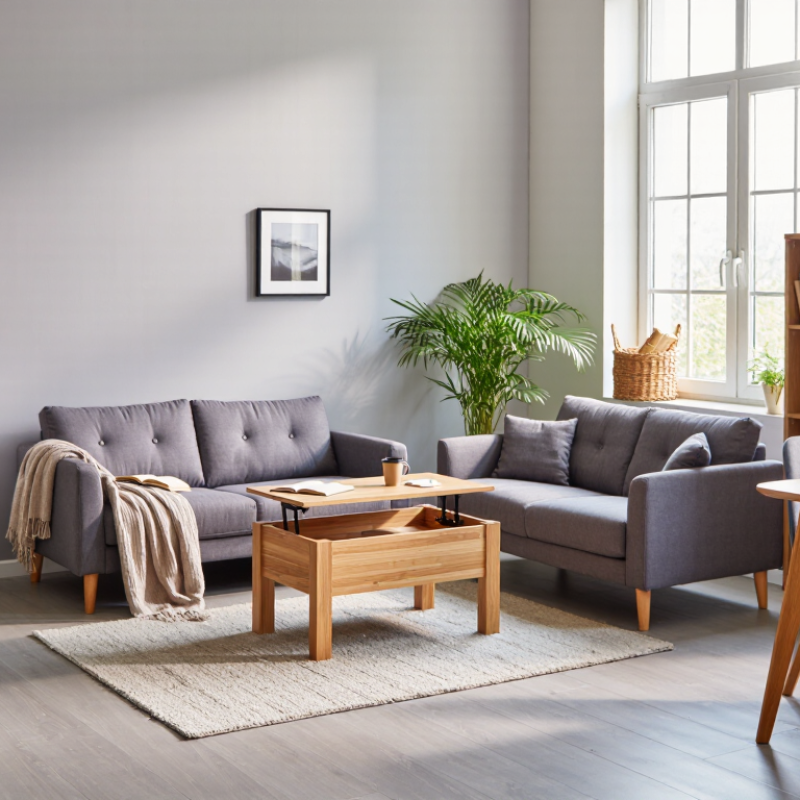
Online shopping has widened access to styles and products, while social media has made room ideas easier to discover. At the same time, changing work habits and smaller living spaces encourage people to choose flexible pieces. A lift-top coffee table, a narrow shoe cabinet, or a modular shelf can make limited space feel more manageable. Materials and construction deserve attention, too. Buyers often compare finishes, dimensions, care requirements, and reviews before choosing. Still, a polished product photo cannot show how a chair feels after an hour, or whether a drawer sticks.
That gap matters. High demand does not mean every trend suits every home, budget, or climate. Preferences differ, and some purchases may disappoint when style outweighs practical needs. Understanding the market means looking beyond attractive images to real use, product quality, and lasting value. This article explores the forces behind the global interest in home furnishings—and the details shoppers should consider before bringing a new piece home.
Global Furniture Market: $736.84 Billion in 2023, with Growth Forecast Through 2032
A widely cited market estimate places the global furniture market at $736.84 billion in 2023, with growth forecast through 2032. This figure covers a broad furniture sector, not home décor furniture alone. That distinction matters. Decorative pieces, storage, seating, and bedroom furniture may be grouped differently across reports, so estimates are not always directly comparable. Still, the scale points to sustained global demand for products that make homes more functional and personal.
Growth forecasts reflect several practical forces: urban households need adaptable storage, remote workers value comfortable desks and chairs, and frequent home renovations renew interest in furnishings. A narrow hallway, for example, may call for a slim console rather than another large cabinet. Buyers also compare materials, delivery options, and expected durability before purchasing.
Forecasts through 2032 suggest continued market expansion, but they are projections, not guarantees. Consumer budgets, housing activity, and material costs can change the path.
A small point worth questioning: market growth does not mean every furniture category will grow at the same pace.
Urbanization and Housing Demand: UN Projects 68% of People Will Live in Cities by 2050
The United Nations projects that nearly 68% of the world’s population will live in urban areas by 2050. The shift is already visible in smaller apartments, growing rental markets, and neighborhoods built around transit. More city households mean more rooms to furnish, but often less floor space. Every choice has to earn its place.
A narrow entryway may need a slim shoe cabinet; a studio may need a dining table that folds away. Storage beds, wall shelves, and modular seating meet practical needs while shaping how a home feels. Buyers are not only purchasing furniture. They are making room for privacy, comfort, and identity within compact layouts. In dense housing, one useful piece can matter more than several decorative objects.
Demand will vary by income, climate, household size, and local building customs. One design cannot fit every city. And the 68% figure is a projection, not a promise that every city will grow at the same pace. Still, urbanization points toward continued interest in adaptable, durable home furnishings. There is a trade-off: compact pieces can save space, yet clever features may add cost or fail with frequent use. Measuring door swings and walking paths before buying is a small step, but it is often overlooked.
Renovation-Driven Spending: Houzz Reports 54% of U.S. Homeowners Renovated in 2023
A 2024 U.S. homeowner renovation survey found that 54% of homeowners renovated in 2023. Median renovation spending reached $24,000, showing that many households committed substantial budgets to improving their homes. A kitchen remodel can mean new dining chairs, while a bedroom refresh may require storage that fits a changed layout. Furniture demand follows these practical decisions, not just changing tastes. Small details matter.
Harvard’s Joint Center for Housing Studies has reported that about half of owner-occupied U.S. homes were built before 1980. Older rooms often bring awkward corners, worn floors, and limited storage, making renovation a natural moment to replace or rearrange furniture. A narrow console beside the entry can catch keys; a sturdy table can turn a spare corner into a daily work spot. These purchases are useful, but not always perfectly planned. People sometimes buy before measuring, then discover the cabinet blocks a drawer. Renovation spending can therefore lift demand for adaptable, well-sized pieces, especially when homeowners want refreshed rooms without rebuilding every part of the house.
Lifestyle Shifts, E-Commerce, and Sustainability: Key Drivers of Furniture Demand
Changing lifestyles are making furniture more personal and practical. Smaller homes, remote work, and multigenerational households increase demand for compact desks, storage beds, and flexible seating. Grand View Research estimated the global furniture market at USD 648.5 billion in 2023, with projected annual growth of 5.3% from 2024 to 2030. The figure signals expansion, though it cannot explain every local preference. A desk by the window matters more to one household than a formal dining set.
E-commerce helps shoppers compare dimensions, materials, prices, and delivery options without visiting several stores. The U.S. Census Bureau reported that e-commerce represented 16.1% of total U.S. retail sales in the fourth quarter of 2024. That is not a furniture-only figure, but it shows how online shopping has become routine. Room-planning tools and detailed product photos also reduce guesswork. Still, a screen cannot fully convey the feel of a fabric or the sturdiness of a chair.
Sustainability is influencing choices, especially around durable construction, repairability, and responsibly sourced materials. IBM’s 2024 consumer study found that respondents were willing to pay an average 9.7% more for sustainably produced or sourced goods. Intentions are not purchases, though. Buyers may still choose lower prices or faster delivery. That tension is real. Furniture makers and retailers need clear material information, not vague green claims, so shoppers can judge what will last in their homes.
FAQS
One estimate placed it at $736.84 billion. It covers a broad furniture sector, not home décor alone.
Forecasts suggest continued expansion. They are projections, not guarantees. Consumer budgets, housing activity, and material costs could change the outcome.
More people are expected to live in cities, where homes are often compact. Slim cabinets and fold-away tables can help make limited space useful.
The United Nations projects that nearly 68% of the world’s population will live in urban areas by 2050. It does not mean every city will grow equally.
A studio may need a dining table that folds away, while a narrow entryway may suit a slim shoe cabinet. Measure walking paths, too.
A 2024 survey found that 54% of U.S. homeowners renovated in 2023. Changes to kitchens or bedrooms can prompt furniture purchases.
Median renovation spending reached $24,000. That figure describes renovation costs, not furniture spending alone.
About half of U.S. owner-occupied homes were built before 1980. Awkward corners and limited storage can make a room refresh useful. Measuring first still gets overlooked.