
Why Choose Organic Perfume for Your Business?

Choosing Organic Perfume for your business is not merely a trend-driven decision. It can influence product trust, customer loyalty, and long-term brand value. Shoppers increasingly examine ingredient lists, sourcing practices, and environmental claims before purchasing fragrance products. A carefully developed Organic Perfume can offer a clearer story, from certified botanical ingredients to responsibly managed suppliers.

Mandy Aftel, founder of Aftelier Perfumes and an influential natural perfumer, describes natural perfumery as “the art of using only natural aromatic materials to create a perfume.” Her perspective highlights the importance of craft, transparency, and ingredient quality. However, “organic” does not automatically mean safer, stronger, or suitable for everyone. Businesses should verify certification standards, review allergen information, and avoid unsupported wellness promises. Trust needs evidence.

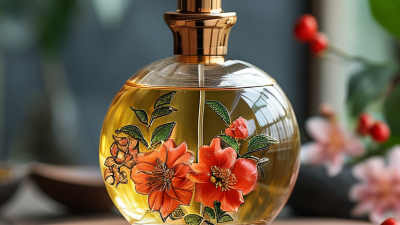
Consider the practical details. A customer opens a glass bottle and notices a soft citrus note, a warm floral layer, and a label that names the botanical sources. Behind that experience, responsible companies should maintain supplier records, batch testing, and consistent formulation controls. Small details matter.

But the choice is not effortless. Organic ingredients may vary by harvest, cost more, or create stability challenges. Some formulas may change slightly between batches. That requires honest communication and careful quality management. Perfect consistency is not always realistic.

Still, a transparent approach can become a meaningful competitive advantage. When businesses explain what their Organic Perfume contains, where it comes from, and what it does not claim, customers can make informed decisions. That is where credibility begins.
Why Choose Organic Perfume for Your Business?

What Organic Perfume Means in a Business Context

Why Choose Organic Perfume for Your Business?

In a business context, organic perfume means more than using plant-based ingredients. It requires clear sourcing, documented processing, and honest communication. Organic standards can differ between regions and certification bodies. Therefore, businesses should verify supplier certificates, ingredient origins, and batch records before making public claims. “Natural” does not automatically mean organic or safer. That distinction matters.

A responsible purchasing process begins with traceability. Ask where each botanical was grown, how it was extracted, and whether synthetic additives are included. Review allergen information carefully. Test the finished perfume on appropriate materials before using it in stores, hotels, or gift products. Strong fragrances can linger on fabric, skin, and display areas. Customer comfort should guide the final decision.

I once assumed a higher botanical percentage guaranteed a better product. It did not. Performance, stability, and customer response still required testing. Organic perfume may support a thoughtful brand story, but vague environmental language can weaken trust. Keep claims specific and evidence-based. Explain the certification, not just the mood. Staff should also understand the product’s scent profile and handling instructions. Small details count. Supplier communication can be imperfect, too. One missing document may delay a launch or create confusion across sales channels. Reliable businesses leave room for questions, revisions, and independent review.

Why Choose Organic Perfume for Your Business?

What Organic Perfume Means in a Business Context

Organic perfume is defined by the certification standard used. The percentages below show the minimum organic content required by selected recognized standards for products marketed with organic claims. Clear certification requirements can support ingredient transparency, responsible sourcing, and consumer trust.

Source: COSMOS-standard and USDA National Organic Program labeling requirements. Thresholds may vary by product category and certification scope.

How Organic Perfume Ingredients Are Sourced and Formulated

Why Choose Organic Perfume for Your Business?

How Organic Perfume Ingredients Are Sourced and Formulated

Organic perfume begins with responsible sourcing, not attractive packaging. Suppliers should provide clear information about farms, harvest periods, extraction methods, and certification standards. Botanical materials may include flowers, leaves, resins, seeds, and citrus peels. Each source can influence aroma, strength, and performance.

Traceability matters. A reliable supplier should maintain batch records and offer suitable testing documents. Independent checks can help confirm identity, purity, and possible allergens. Organic does not automatically mean safer for everyone. Skin sensitivity still requires careful assessment.

Formulation is a balancing process. Natural extracts can change slightly with climate, soil, and harvest timing. That variation may create character, but it can also affect consistency. Perfume developers often blend organic materials with approved supporting ingredients to improve stability and wear. Some formulas need more testing than expected. That is worth admitting.

Tips: Ask for certification details, country of origin, extraction information, and batch documentation. Test samples on paper and skin over several hours. Review allergen declarations before production. Keep a small reference sample from every approved batch. Do not promise identical results forever; natural materials can shift. A clear customer explanation usually builds more trust than an exaggerated claim.

The Business Benefits of Offering Organic Perfume

Why Choose Organic Perfume for Your Business?

Offering organic perfume can give your business a clearer value proposition. Many shoppers want fragrance with thoughtful sourcing and understandable ingredients. Organic formulas may also attract customers who prefer plant-based lifestyles and gentler purchasing choices. However, organic does not automatically mean safer or better. Quality depends on formulation, concentration, preservation, and individual skin sensitivity. Responsible sellers should explain these differences clearly.

The Business Benefits of Offering Organic Perfume

Organic perfume can support premium pricing when its value is documented. Provide ingredient details, sourcing information, batch records, and relevant certification evidence. This builds trust and helps staff answer practical questions without exaggeration. A distinctive scent profile can also improve customer engagement. Imagine a customer testing a soft floral fragrance, then noticing its dry, natural finish several minutes later. That sensory moment may encourage repeat visits and useful word-of-mouth. Smaller packaging can reduce trial costs and create gift-friendly options. Yet margins may be tighter because certified ingredients and careful production often cost more. That trade-off deserves honest planning.

Tips: Train staff to describe scent notes, not medical benefits. Offer blotter strips and patch-test guidance. Keep claims precise. Review supplier documents regularly, because standards and paperwork can change. A simple feedback card can reveal whether customers value the fragrance, the ingredients, or both. Expect some experiments to fail. That is useful data.

Why Choose Organic Perfume for Your Business? - The Business Benefits of Offering Organic Perfume

Business Dimension Relevant Fact or Standard Potential Business Benefit Recommended KPI Practical Action
Product Differentiation Organic perfume is positioned around certified organic agricultural ingredients and controlled sourcing rather than conventional fragrance positioning alone. Creates a clear product story for customers seeking natural, responsibly sourced, or environmentally conscious options. Organic-product share of total sales; repeat-purchase rate; product-page engagement. Display ingredient origin, certification scope, and manufacturing information clearly.
Certification and Trust Organic claims should be supported by a recognized certification or documented chain of evidence. Requirements vary by market and product category. Reduces the risk of unsupported environmental or organic claims and strengthens retailer and consumer confidence. Percentage of organic claims supported by current documentation; audit findings; claim-related complaints. Maintain supplier certificates, ingredient records, batch documentation, and claim reviews.
Regulatory Compliance In the European Union, cosmetic products must comply with the applicable cosmetics regulation, including safety assessment, product information, labeling, and responsible-person requirements. Improves readiness for retail distribution and lowers the risk of delays, withdrawals, or corrective action. Percentage of products with complete compliance files; time required for market approval; number of corrective actions. Complete safety assessments and market-specific label reviews before commercial launch.
Fragrance Allergen Management For leave-on cosmetic products in the EU, certain fragrance allergens must be declared when their concentration exceeds 0.001%; the threshold for rinse-off products is 0.01%. Supports accurate labeling and helps retailers communicate more responsibly with sensitive consumers. Label accuracy rate; allergen declaration completion; customer safety inquiries. Obtain updated allergen declarations and review formulas whenever fragrance materials change.
Sustainable Sourcing Organic agriculture standards generally restrict or control the use of specified synthetic pesticides and fertilizers, although exact requirements depend on the certification scheme. Provides a stronger sourcing narrative and may support responsible procurement objectives. Percentage of key ingredients with verified sourcing records; supplier assessment completion rate. Prioritize traceable botanical ingredients and assess supplier environmental documentation.
Packaging and Environmental Claims Recyclability, recycled content, biodegradability, and carbon-related claims require evidence and should not imply broader environmental benefits than can be demonstrated. Improves credibility and helps prevent vague or misleading sustainability messaging. Packaging weight per unit; recycled-content percentage; packaging component recyclability rate. Use right-sized packaging and publish specific, verifiable packaging information.
Pricing and Margin Management Certified ingredients, traceability, testing, and compliant packaging can increase product-development and procurement costs compared with less documented alternatives. Enables a transparent value proposition when pricing reflects documented quality, sourcing, and compliance work. Gross margin per unit; cost of certified ingredients; return rate; average order value. Calculate full product cost before setting wholesale and retail prices.
Retail and B2B Readiness Retail buyers commonly require product specifications, ingredient lists, safety documents, packaging details, and evidence for environmental or organic claims. Shortens buyer due diligence and improves the likelihood of acceptance by specialist retailers and hospitality businesses. Wholesale inquiry-to-order conversion; buyer review time; percentage of documentation supplied on first request. Prepare a standardized wholesale compliance and product-information pack.
Customer Communication “Organic” does not automatically mean hypoallergenic, chemical-free, or suitable for every skin type. Natural fragrance materials can still contain allergens. Accurate communication reduces unrealistic expectations and supports safer purchasing decisions. Product-information complaints; return reasons; customer-service response time. Use precise wording such as “made with certified organic ingredients” only when the claim is properly supported.

Reference framework: European Union cosmetics requirements, fragrance-allergen labeling thresholds, recognized organic certification principles, and general environmental-claim guidance. Requirements may differ by destination market.

Customer and Market Factors to Consider

Choosing organic perfume for a business starts with customers, not fashion. In retail testing, shoppers often ask where ingredients come from and how products are made. They notice clear labels, recyclable packaging, and scents that feel comfortable in small rooms. Some prefer floral notes, while others want woody or lighter options. Keep this range in mind. Organic claims need careful verification. Standards differ by market, and “natural” does not automatically mean certified organic. Ask suppliers for current certificates, ingredient records, allergen information, and batch traceability. These details build trust before the first sale.

Price is another important customer factor. Organic materials, responsible farming, and smaller production runs may increase costs. A higher price needs a visible reason. Explain the formula, sourcing, and bottle size without making medical or environmental promises you cannot prove. Market research should include more than online clicks. Offer sample strips, collect written feedback, and compare repeat purchases. Watch which scents sell after four weeks, not only during launch. Feedback can be awkward. That is useful.

Businesses should also study local preferences, climate, gifting habits, and fragrance-labeling requirements. A light citrus profile may suit warm, busy spaces, while richer notes may perform better in cooler seasons. Still, assumptions can mislead. I once favored a sophisticated blend that received polite interest but few purchases. Staff training matters too. Employees should describe ingredients accurately and avoid exaggerated claims. Customers may forgive a limited scent range, but they rarely forget unclear answers. Seasonal testing, modest inventory, and honest product pages can reduce unnecessary risk.

How to Evaluate Organic Perfume Suppliers and Products

Why Choose Organic Perfume for Your Business?

Choosing organic perfume can support a cleaner product story and attract ingredient-conscious customers. However, supplier evaluation requires more than reading the word “organic.” Ask suppliers for current certification documents, ingredient lists, batch records, and safety data. Check whether certificates match the actual product, not only the company’s general materials. A reliable supplier should explain sourcing, extraction methods, storage conditions, and quality checks clearly. Vague answers are warning signs.

Request a small sample before placing a large order. Examine its scent after application, not only from the bottle. Observe how it changes after ten minutes and again after several hours. Review the packaging for batch numbers, usage guidance, allergen information, and responsible storage instructions. Products should meet the regulations of your target market. Independent laboratory testing can help verify composition and contamination controls. Organic ingredients do not automatically mean every finished formula suits every customer.

Tips: Compare at least three suppliers using the same checklist. Confirm minimum order quantities and production timelines in writing. Ask how they handle damaged goods and inconsistent batches. Keep samples from approved lots for future comparison. Test on paper strips first. Skin testing needs care. I have found that pleasant fragrance is not enough; documentation often reveals the real difference. One weakness remains: organic certification systems may vary by region, so claims deserve careful review.