

Top 10 Shiatsu Neck And Back Massager Options for Buyers?
Choosing a Shiatsu Neck And Back Massager can feel surprisingly complicated. Many models promise deep relief, relaxing heat, and salon-style kneading at home. Yet comfort depends on body shape, pressure tolerance, seating position, and daily use. A device that feels soothing on one person may feel too intense on another. Fit matters.
This guide examines ten popular options through practical buying criteria. We consider massage nodes, adjustable intensity, heat control, coverage, fabric quality, portability, and power requirements. We also review manufacturer instructions, warranty terms, and recurring comments from verified users. Small details matter. A flexible strap can keep the cushion stable on an office chair. A removable cover may make regular cleaning easier. Clear controls can prevent frustrating adjustments during a tired evening.
Safety deserves equal attention. Heat is not automatically better. Some users may need professional advice before using heated or vibrating massage products. Buyers should check contraindications, avoid sleeping with active heat, and stop if discomfort develops. Marketing language can be vague. “Deep tissue” does not guarantee stronger or more effective massage. Our comparisons aim to separate useful features from attractive claims, while acknowledging that product performance varies. No ranking can replace personal judgment. Still, a careful shortlist can make the decision easier, more informed, and less wasteful. Expect strengths, limitations, and a few imperfect choices. That honesty is useful.
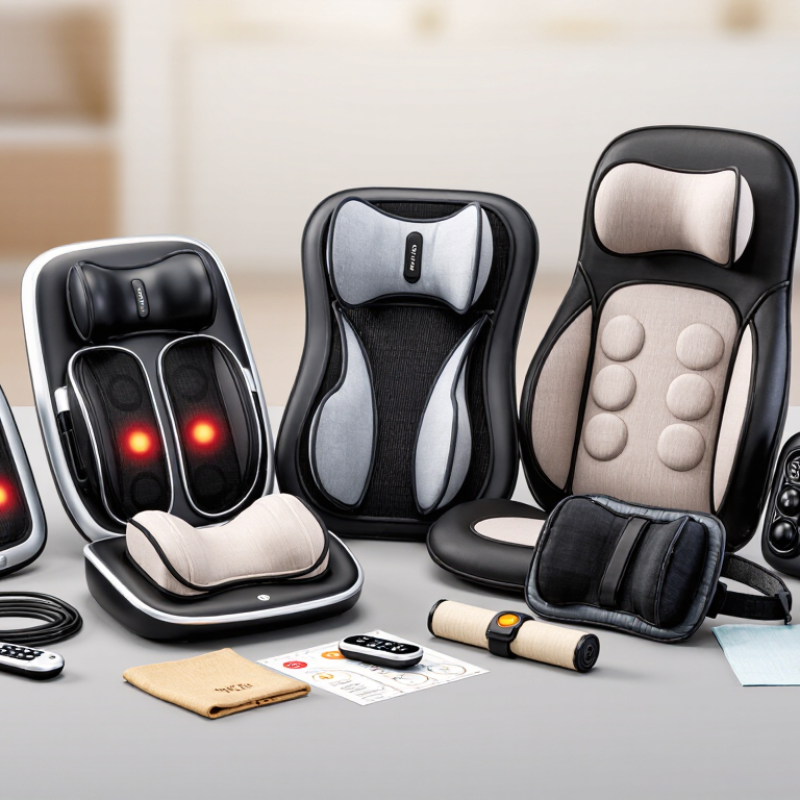
What Is a Shiatsu Neck and Back Massager?
A shiatsu neck and back massager is an electric device designed to imitate some motions of shiatsu massage. Rotating nodes press, knead, or move across muscles around the neck, shoulders, and back. Many models use heat, adjustable speed, or straps for positioning. The goal is simple: provide controlled pressure at home without booking an appointment. It is not a medical device by default. Shiatsu itself is a hands-on Japanese massage practice, while these products offer a mechanical approximation.
In practical use, the nodes may feel firm and rhythmic, especially along the upper trapezius muscles or beside the spine. Correct placement matters. The device should rest on muscle, not directly on the neck bones or spinal column. A short session at low intensity is a sensible starting point. Users can then assess tenderness, skin warmth, and comfort before increasing pressure. Heat can feel soothing, but it may hide excessive pressure, so careful attention is still necessary.
A reliable buyer should check instructions, timer settings, washable covers, cord safety, and return terms. People with unexplained pain, recent injuries, reduced sensation, circulation problems, or certain medical conditions should ask a qualified clinician before use. Stop if numbness, sharp pain, dizziness, or unusual swelling appears. These massagers can support relaxation, but they cannot diagnose or treat the cause of persistent pain. They are useful, though not flawless. Some users may mistake intensity for effectiveness.
How Shiatsu Massage Technology Works for Neck and Back Relief
Shiatsu neck and back massagers use rotating nodes to imitate the pressing and kneading motions of finger-based therapy. The nodes move in small circles across tight muscles, creating pressure that may improve comfort and local circulation. Some devices include gentle heat, which can make stiff tissue feel more relaxed. Heat should feel warm, never burning.
For neck relief, positioning matters more than many buyers expect. The nodes should rest beside the spine, not directly on the bones. A slow setting may suit tender shoulders, while firmer pressure can help larger back muscles. During use, I notice that a few minutes often feels better than forcing a long session. This is not a perfect rule, though. Sensitive users may prefer less pressure than advertised.
For back relief, steady contact helps the mechanism work evenly across the upper or lower back. Keep the body relaxed, and stop if pain becomes sharp, unusual, or persistent. These devices may ease temporary muscle tension, but they cannot diagnose a spinal problem or replace professional care. People with recent injuries, reduced sensation, circulation concerns, or unexplained pain should seek medical advice before use. A practical buyer should also check adjustable intensity, washable covers, automatic shutoff, and a shape that supports natural posture.
Top 10 Shiatsu Neck And Back Massager Options for Buyers? - How Shiatsu Massage Technology Works for Neck and Back Relief
A buyer-focused comparison of common shiatsu massager designs, functional features, and typical specifications.
| Rank | Massager Option | How the Shiatsu Mechanism Works | Primary Coverage | Massage Zones | Heat Function | Control and Intensity | Typical Rated Power | Typical Size or Format | Best Suited For |
|---|---|---|---|---|---|---|---|---|---|
| 1 | Neck-and-Shoulder Wrap Massager | Paired rotating kneading nodes travel or rotate against the neck and upper shoulder muscles to imitate circular finger pressure. | Neck, trapezius muscles, and upper shoulders | NeckShoulders | Usually included; commonly limited by a timed cycle or automatic shutoff. | Forward and reverse rotation; usually 2–3 speed levels and hand straps for pressure adjustment. | 24–36 W | Wearable wrap with two shoulder handles; commonly about 35–45 cm wide. | Users seeking targeted relief from neck and shoulder tension while seated. |
| 2 | Full-Back Shiatsu Cushion | Motorized massage heads move along a vertical track or fixed massage zones behind the back. | Upper, middle, and lower back | BackLumbar | Commonly available for the lower-back area; heat is generally gentle rather than therapeutic heat treatment. | Spot, partial, or full-back programs with selectable speed or intensity on many models. | 36–60 W | Seat-back cushion, generally 70–90 cm tall and 40–50 cm wide. | Desk chairs, home office seating, and occasional full-back massage. |
| 3 | Neck-and-Back Massage Seat Pad | Separate upper-body nodes provide kneading or rolling motion while the user sits against a padded support. | Neck, back, and sometimes the seat area | NeckBackSeat | Often includes selectable heat for the lumbar or back section. | Multiple automatic programs, zone selection, and a wired or handheld controller. | 40–70 W | Full chair pad, commonly 85–110 cm tall with a foldable design. | Buyers wanting broad coverage without purchasing a massage chair. |
| 4 | Portable Cordless Neck Massager | Compact rotating nodes apply kneading pressure to the neck through a rechargeable battery-powered unit. | Neck and upper shoulders | NeckShoulders | Less common because heating can reduce battery runtime; verify the specification before purchase. | Usually one rotation direction with 2–3 speed settings; rechargeable controls are built into the unit. | 10–25 W equivalent motor output | Compact wrap or handheld format; typically 0.8–1.5 kg. | Travel, commuting, and users who prioritize cordless operation. |
| 5 | Handheld Shiatsu Body Massager | A motor-driven head with rotating nodes is guided manually over the neck, back, and other muscle areas. | Neck, shoulders, back, arms, and legs | Targeted areas | Usually not included; separate heated attachments are uncommon. | Variable speed is common; pressure depends on how firmly the user holds the device against the body. | 20–40 W | Handheld device, commonly 1–2 kg, with one or more detachable heads. | Users who need flexible positioning and precise control over specific muscles. |
| 6 | Lumbar-Focused Shiatsu Cushion | Lower-mounted rotating nodes knead the muscles beside the spine and around the lumbar region. | Lower back and waist area | LumbarLower back | Frequently included around the lumbar pad. | Usually offers fixed-zone operation, adjustable pressure through seating position, and timed sessions. | 24–45 W | Compact back cushion, commonly 45–65 cm tall and 35–45 cm wide. | People who prefer concentrated lower-back kneading during seated activities. |
| 7 | Shiatsu Massage Pillow | Two or more rotating nodes knead the body through a compact padded housing. | Neck, upper back, lower back, or legs depending on placement | NeckBackLegs | Often available as an integrated low-temperature warming feature. | Simple on/off control; some versions provide rotation reversal and automatic timing. | 18–30 W | Portable pillow-shaped unit, commonly 30–40 cm wide and 15–25 cm deep. | Small spaces, occasional use, and buyers seeking a low-profile device. |
| 8 | Car-Seat-Compatible Shiatsu Cushion | Rotating massage nodes operate through a seat pad while the user sits in a vehicle or passenger seat. | Upper, middle, or lower back depending on the selected zone | BackLumbar | May include heat, but heat operation can be restricted by the power adapter or vehicle-use instructions. | Zone selection, timed programs, and vehicle-compatible power control are common features. | 25–45 W | Foldable seat pad, generally 75–100 cm tall and secured with straps. | Long-distance passengers and users needing occasional seated massage. |
| 9 | Deep-Kneading Neck Massager | Larger rotating nodes deliver stronger localized kneading to the neck and upper trapezius muscles. | Neck, upper shoulders, and trapezius area | NeckTrapezius | Often included, with heat intended to add warmth and comfort rather than diagnose or treat an injury. | Typically offers rotation reversal, multiple speeds, and a session timer. | 24–40 W | Structured wrap with padded arms; commonly 1.2–2.0 kg. | Users who prefer firm kneading and adjustable hand-applied pressure. |
| 10 | Compact Back-and-Neck Travel Massager | Small rotating massage heads provide localized kneading when placed against the neck or back. | Neck, shoulders, and selected back areas | NeckShouldersBack | Optional; compact models may omit heat to reduce size and energy consumption. | Basic speed control, manual positioning, and short automatic sessions are typical. | 15–30 W | Lightweight, foldable, or pillow-style design; commonly under 1.5 kg. | Travelers and buyers who value portability over full-back coverage. |
Key Features to Compare When Choosing a Massager
When comparing the top ten shiatsu neck and back massager options, start with fit, not appearance. A good device should follow the neck curve without forcing the chin forward. Check whether the massage nodes reach the upper shoulders, mid-back, and lower back. Adjustable intensity matters because strong pressure can feel helpful one day and irritating the next. It should also include simple controls, automatic shutoff, and stable straps. Small details matter.
Heat is another feature to compare carefully. Look for controlled, moderate warmth rather than extreme temperature claims. The U.S. National Center for Complementary and Integrative Health notes that massage may offer short-term relief, but results vary between users. The 2023 World Health Organization guideline also lists massage among possible non-surgical options for some chronic primary low-back pain. These findings support reasonable expectations, not miracle promises. A massager should support comfort, not replace medical evaluation.
Noise, fabric breathability, weight, and cleaning access affect real use. A bulky unit may stay in a cupboard. That defeats the purchase. Review the timer length and battery or cord arrangement before ordering. I would also compare pressure consistency across different body sizes, although many product tests overlook this issue. Check return terms, electrical certification, and clear safety instructions. If numbness, sharp pain, swelling, or unusual weakness appears, stop using it and seek professional advice. A lower price can be attractive, but poor fit often costs more in frustration.
Top Shiatsu Neck and Back Massager Options for Different Needs
Shiatsu massagers suit different bodies, routines, and pain patterns. A wraparound neck model can target tight shoulders after long screen sessions. A seat cushion may better support office workers with lower-back fatigue. For broader coverage, choose a full-back pad with rotating massage nodes and adjustable pressure.
The World Health Organization reported that low back pain affected about 619 million people in 2020. It may reach 843 million by 2050. A massager cannot correct every cause, but it may offer temporary comfort.
For sensitive users, gentler nodes, lower speed, and a short timer matter. People with muscular stiffness may prefer deeper kneading and optional heat. However, heat can feel excessive on irritated skin. The American College of Physicians lists massage among non-drug options for some chronic low-back pain. That recommendation does not mean every device works equally well. Personal fit, body position, and consistent use still influence the experience. My practical mistake was choosing intensity first. Comfort should come first.
Tips: Check the neck height and node alignment before buying. Use a 10–15-minute session, then reassess your skin and soreness. Avoid pressing directly on the spine. Stop if numbness, sharp pain, dizziness, or unusual weakness appears. People with recent injuries, unexplained pain, circulation problems, or pregnancy should seek professional advice first. A qualified physiotherapist can help match the device to the actual problem.
Data source: WHO Low Back Pain Fact Sheet, 2023; American College of Physicians Clinical Practice Guideline, 2017.
Safety Tips and Proper Use for Comfortable Massage Sessions
Choosing among the top 10 shiatsu neck and back massager options requires more than checking massage intensity. Look for adjustable pressure, stable heat control, and a shape that supports your shoulders without forcing your spine forward. A simple control panel helps prevent distracted use. If the device feels sharp, uneven, or unusually hot, stop immediately.
Tips: Start with the lowest setting for five minutes. Place a thin shirt between your skin and the massage nodes, especially when using heat. Keep the unit moving or reposition it gently. Never sleep while it operates. Check the cord, stitching, and controls before every session. Damaged equipment should not be used.
Proper positioning matters. Sit upright, keep both feet on the floor, and let your back relax naturally. Avoid pressing the massager against the front of your neck, bones, open skin, or swollen areas. People with reduced sensation, circulation problems, recent injuries, or unexplained pain should ask a qualified healthcare professional before use. Pregnant users should seek individualized medical advice. Ten minutes may be enough. More pressure does not always mean better relief. Mild tenderness can happen, but lingering pain suggests the session was too intense. Even careful users may overestimate comfort at first, so adjust gradually and pay attention to the next day’s response.
Top 10 Shiatsu Neck and Back Massager Options for Buyers
The chart compares common non-branded massager formats using an editorial safety-and-comfort priority score. Higher scores indicate that adjustable intensity, heat control, ergonomic support, and automatic shutoff should receive greater attention before purchase.
For comfortable use, begin with the lowest intensity, keep sessions short, avoid direct pressure on the spine or front of the neck, and stop immediately if pain, numbness, dizziness, or unusual discomfort occurs. Users with pregnancy, circulation problems, reduced sensation, recent injury, or implanted medical devices should seek professional medical advice before use.