

2026 Top Plastic Pouch Bags Suppliers for Global Buyers
Global buyers need more than an attractive pouch sample. They need suppliers that can deliver consistent seals, clear print, reliable lead times, and documentation suited to the product and destination market. Plastic Pouch Bags vary widely, from stand-up formats with sturdy base gussets to lightweight sachets that fit neatly in a small carton. Details matter. A weak seal or unclear specification can turn a promising order into a costly lesson.
This guide compares suppliers using practical buyer criteria: product range, customization, quality controls, production capacity, communication, and shipping support. Flexible Packaging Association leader Alison Keane has emphasized the resource-efficiency potential of flexible packaging. A concise paraphrase of that perspective is: “Use packaging that protects the product without unnecessary material.” This is a guiding principle, not a guarantee; performance depends on the pouch design, contents, and supply chain. Buyers should request current technical data and samples before placing a large order.
Price still matters. So do minimum order quantities, barrier performance, and the way a supplier handles questions when something changes. A polished catalog is not proof of dependable production. Ask how the pouch is tested, what quality records are available, and whether the proposed structure matches your product’s storage needs. No supplier is perfect. Even this comparison has limits: public information may not reveal day-to-day factory performance. Use the shortlist to start a careful conversation, then verify each detail before committing.
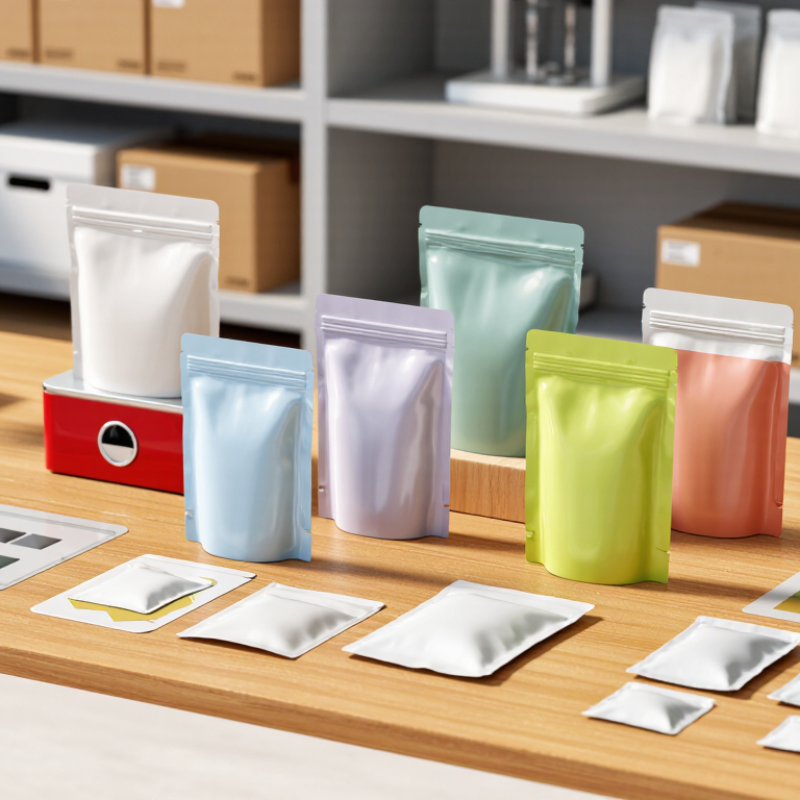
Understanding the Global Plastic Pouch Bag Market
Plastic pouches appeal to global buyers because they are light, compact, and adaptable to different products. Grand View Research estimated the global plastic pouches market at about USD 40.5 billion in 2022 and forecast a 5.2% compound annual growth rate through 2030. These figures describe market estimates, not guaranteed supplier demand. That distinction matters.
Buying decisions depend on more than price. Buyers should compare pouch dimensions, film structure, seal strength, print consistency, and protection from moisture or oxygen. A sample filled and sealed on the intended production line can reveal problems that a specification sheet misses. The wider sustainability context also affects sourcing: the OECD reported that packaging generated 40% of global plastic waste in 2019. Better material choices and thinner structures may reduce material use, but only when product protection remains adequate. This balance is easy to underestimate.
Tips: Request current test data for seals and barrier performance. Confirm minimum order quantities, lead times, and shipment terms in writing. Ask whether the pouch material can be sorted in the buyer’s local recycling system; recyclability varies by location and collection infrastructure. A neat sample is useful, but production consistency matters more.
Global Plastic Production: 2000 vs. 2019
Global plastic production nearly doubled between 2000 and 2019, indicating substantial growth in demand for plastic materials. This industry-wide measure provides context for plastic pouch suppliers, but it is not a pouch-specific market estimate.
Source: OECD, Global Plastics Outlook (2022). Production figures are in million tonnes.
Types of Plastic Pouch Bags and Their Applications
Plastic pouch bags come in several useful formats, and each suits a different packing task. Stand-up pouches use a bottom gusset to sit upright on shelves. They are common for dry snacks, coffee, and powdered products. Flat pouches take up less space and work well for single servings, samples, or small hardware. Not every pouch fits.
Closure and barrier choices matter too. A resealable zipper can help keep dry goods fresh after opening, while a spout makes liquids easier to pour. For products sensitive to oxygen or moisture, buyers may consider laminated structures with suitable barrier layers. The right choice depends on the product, filling process, and expected storage conditions. “High barrier” alone is not a complete specification.
Some pouches are designed for vacuum packing or heat processing, but these uses need materials tested for the actual temperature and filling conditions. A pouch that looks sturdy may still wrinkle, leak, or lose seal strength on a fast production line. Ask suppliers for material details, seal data, and sample packs for practical trials. Check the pouch with the product itself, not just an empty sample. This step is easy to skip. In practice, fit and handling can be less predictable than a product sheet suggests, so leave room to review results before placing a large order.
How to Evaluate Plastic Pouch Bag Suppliers
When evaluating plastic pouch bag suppliers, begin with the pouch’s actual job. Write down the product, fill weight, storage conditions, and expected shelf life. Ask what film structure and thickness the supplier recommends, and why. A clear explanation is more useful than a glossy specification sheet.
Request samples made to the proposed specification. Check dimensions, print alignment, zipper movement, and seals after filling. Ask for documented quality checks, batch traceability, and test results relevant to your barrier needs.
Ask for evidence. Not just promises.
A sample can look excellent while a full production run varies, so confirm how the supplier controls consistency and handles defects. Also discuss minimum order quantities, lead times, and how changes are approved. Details matter.
Compare complete quotes, including tooling, packing, freight, and any setup charges. A low unit price may hide costs or leave little room for revisions. Review the supplier’s communication during a small trial order: Do answers arrive clearly, and are problems reported early?
Request references or examples of similar pouch formats where possible. Check that product documentation suits your intended market and application. No checklist removes every risk. Specifications can still miss real-world handling, so record what you learn from samples and update the requirements before placing a larger order.
Leading Supplier Profiles for Global Buyers
A useful supplier profile should show more than product photos. Global buyers need clear details about pouch structures, available sizes, sealing options, and print capabilities. Ask whether the supplier can provide sample pouches for checking zipper movement, seal strength, and fit on filling equipment. Small faults become expensive at scale.
Production-focused suppliers may suit buyers with steady, high-volume orders. Their profiles should explain typical lead times, order minimums, quality checks, and how production changes are handled. Request recent test records and traceability details for the materials offered. Then compare those documents with your own packaging requirements. Look for specifics, not broad promises.
Flexible suppliers may be a better fit for smaller runs or changing designs. Check how they manage artwork revisions, sample approval, and delivery estimates. A responsive contact helps, but fast replies alone do not prove reliable production. Ask for a realistic timeline, including shipping, and confirm which details are estimates. Profiles can leave gaps. A supplier may describe its equipment well but say little about corrective actions after defects. That deserves a direct question, and sometimes a second sample.
2026 Top Plastic Pouch Bags Suppliers for Global Buyers — Leading Supplier Profiles for Global Buyers
A practical comparison of common pouch-supplier capability profiles. Profiles describe supplier types rather than named companies or brands.
| Supplier Profile | Typical Pouch Formats | Common Material Structures | Typical Applications | Key Buyer Checks | Important Sustainability or Compliance Considerations |
|---|---|---|---|---|---|
| Flexible-laminate pouch converter | Stand-up pouches, three-side-seal pouches, sachets, and zipper pouches | Common laminates include PET/PE and PET/aluminum foil/PE. The exact layer structure depends on the required barrier and sealing performance. | Dry foods, snacks, powdered products, and other goods requiring moisture or oxygen protection | Request the layer structure, barrier test data, seal-strength information, and confirmation that the pouch is suitable for the filling process. | Multi-material laminates can be difficult to recycle in standard plastic-film streams. Food-contact suitability must be confirmed for the destination market and intended use. |
| Stand-up and resealable pouch specialist | Stand-up pouches with press-to-close zippers, tear notches, or hang holes | Often made from laminated film structures such as PET/PE; higher-barrier versions may include a foil or barrier layer. | Snacks, dry ingredients, pet treats, and household products | Check pouch dimensions, usable fill volume, zipper performance, opening features, and whether samples have been tested on the buyer’s filling line. | Closures and mixed-material layers can affect recyclability. Confirm the full package structure, not only the main film, against local recycling guidance. |
| High-barrier pouch manufacturer | Flat pouches, stand-up pouches, and sachets designed for enhanced product protection | May use aluminum foil laminates or other barrier layers combined with sealant films. Barrier performance varies by material, thickness, and construction. | Products sensitive to moisture, oxygen, light, or aroma loss | Specify required oxygen and water-vapor transmission performance, shelf-life conditions, seal integrity, and any sterilization or hot-fill requirements. | Foil-containing laminates provide barrier properties but are generally not suitable for conventional plastic-film recycling streams. Verify food-contact and process requirements for the market. |
| Mono-material film pouch converter | Stand-up, flat, and zipper pouches designed around a single primary polymer family | Examples include PE-based structures intended to remain within the polyethylene family; actual structures may still include inks, coatings, adhesives, or closures. | Dry foods, personal-care products, and other applications compatible with the selected film’s performance | Ask for the complete bill of materials, barrier data, seal-window information, and evidence that the pouch runs on the intended packing equipment. | Designing with one polymer family may improve compatibility with some recycling systems, but recyclability depends on the entire package and local collection and sorting infrastructure. |
| Spouted pouch producer | Stand-up pouches with fitments, caps, or dispensing spouts | Typically a flexible laminate pouch body combined with a polymer fitment; material choices vary with product and filling conditions. | Liquids, sauces, concentrates, and selected personal-care or household products | Confirm fitment dimensions, cap compatibility, leak resistance, filling method, product compatibility, and performance under expected transport conditions. | The fitment and pouch body may use different materials. Review the complete pack design for food-contact compliance and end-of-life compatibility. |
| Paper-laminate pouch converter | Flat pouches and stand-up pouches with a paper-look outer layer | Paper combined with polymer films, coatings, or barrier layers, depending on the required sealing and product protection. | Dry goods, specialty foods, and products where a paper appearance is desired | Request the full layer specification, moisture and oxygen barrier data, seal-performance results, and confirmation of suitability for the product. | A paper exterior does not by itself make a pouch recyclable as paper. Recyclability depends on the full laminate and the capabilities of local facilities. |
Buyer note: Request current technical data sheets, samples, test reports, and market-specific compliance documentation directly from shortlisted suppliers. Standards and regulatory requirements depend on the product, intended use, and destination market.
Comparing Quality, Compliance, Pricing, and Delivery
A reliable plastic pouch supplier should make quality visible, not merely promise it. Compare seal strength, film thickness, print registration, and pouch dimensions using samples from a production run. Ask how defects are recorded and whether batch documentation is available. Details matter. A pouch that looks excellent on a desk may split when filled, stacked, or shipped.
Compliance depends on the product and destination. Request current material declarations and relevant test reports, then confirm they match your intended use and market requirements. Ask who reviews changes to films, inks, or manufacturing sites. A certificate alone may not answer every question. I would verify the scope and date rather than assume it covers a new pouch design.
Pricing needs context. Compare quotes at the same size, material structure, print coverage, order quantity, and delivery terms. A cheaper unit price can hide setup fees, higher minimums, or costly delays. Delivery promises should include production time, sample approval, and shipping estimates. Ask for a realistic schedule and a plan for late materials. It may still be imperfect; forecasts are not guarantees. But clear milestones make surprises easier to manage.