Top Perfume Extract Suppliers for Global Buyers

Industry data sets the context for this supplier guide. Grand View Research valued the global perfume market at about USD 50.45 billion in 2023. Its Perfume Market Size, Share & Trends Analysis Report projects continued growth through 2030. Premiumization, gifting, and regional demand support this expansion. Euromonitor International’s 2024 Beauty and Personal Care analysis also describes fragrance as a resilient category. Purchasing patterns still differ sharply by market. That difference matters.

For global buyers, selecting a Perfume Extract supplier involves more than comparing price per kilogram. A dependable partner should provide batch specifications, allergen declarations, Safety Data Sheets, and clear cosmetic-use documentation. IFRA Standards offer an important safety reference. ISO 22716 practices can also help buyers assess manufacturing discipline. These frameworks support due diligence. They do not replace local compliance review.

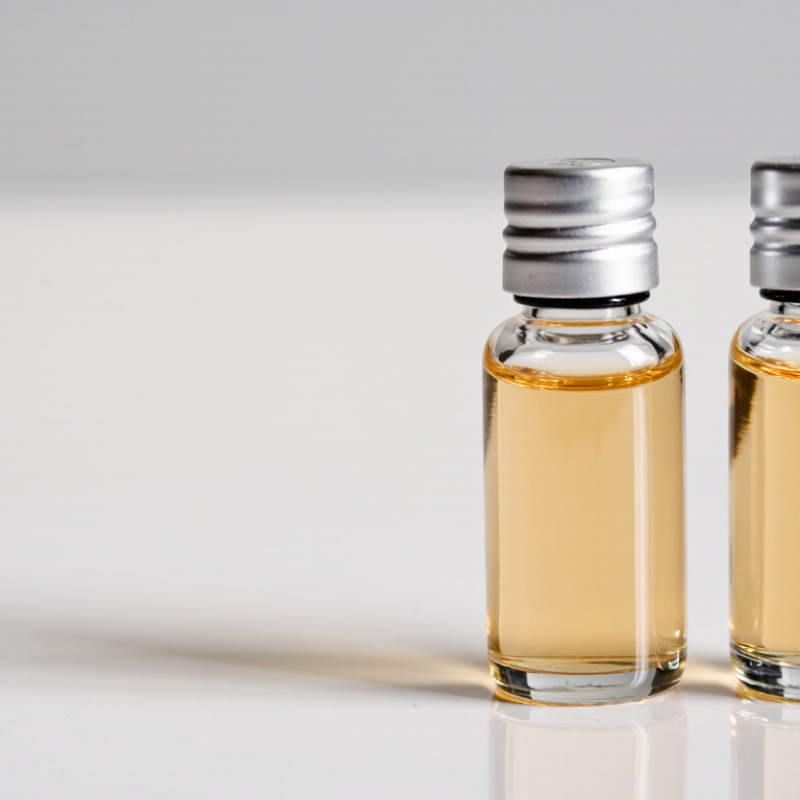
This guide examines formulation capability, production consistency, MOQ flexibility, lead times, packaging protection, and export experience. Buyers should test samples for odor profile, color, stability, and finished-product performance. Imagine two amber bottles arriving after a humid voyage. Their labels match. Their scent may not.

Supplier claims also require careful verification. Public market reports use different definitions, currencies, and forecast periods. Their figures are directional, not absolute. No ranking is flawless. Buyers should request current certificates, recent COAs, change-control procedures, and representative samples before contracting. This evidence-led approach helps procurement teams identify capable Perfume Extract suppliers without confusing polished marketing with reliable performance.
Top Perfume Extract Suppliers for Global Buyers

What Perfume Extracts Are and How They Differ

Perfume extract, often called parfum or extrait, is a highly concentrated fragrance format. It commonly contains about 20–40% aromatic compounds, though the range varies by supplier. Eau de parfum usually contains less, while eau de toilette feels lighter and evaporates faster. The difference is not only strength. Extracts often create a denser opening, softer dry-down, and longer skin presence.

The line is not always clean. Some suppliers use “extract” as a marketing term, so buyers should request the exact fragrance concentration and test method. IFRA Standards focus on safe ingredient use, not a universal extract percentage. A reliable supplier should provide an ingredient statement, allergen information, batch documentation, and stability data. These details matter when extracts enter soaps, candles, or fine fragrance formulas.

Market data explains the growing procurement interest. Grand View Research valued the global fragrance market at approximately USD 50.85 billion in 2023 and projected a 5.9% CAGR from 2024 to 2030. Fortune Business Insights also forecasts strong expansion, although its market boundaries differ. That difference deserves attention. Reports may measure fragrance products, raw materials, or finished goods separately. Global buyers should compare definitions before selecting suppliers, then evaluate odor consistency through retained samples, accelerated stability tests, and repeated batch checks. One attractive sample is not enough.

Key Criteria for Evaluating Perfume Extract Suppliers

Choosing a perfume extract supplier starts with evidence, not polished catalog images. Ask for a current certificate of analysis, safety data sheet, allergen declaration, and batch traceability record. These documents should identify the material, production date, test methods, and storage conditions. Vague paperwork creates avoidable risk. Experienced buyers should request samples from more than one batch. Compare color, odor profile, concentration, and performance after dilution. A pleasant first sample proves little.

Technical competence becomes clearer during questions. Can the supplier explain its extraction process, carrier materials, shelf life, and contaminant controls? Ask how deviations are investigated and corrected. Reliable teams provide measurable answers rather than confident promises. Independent laboratory testing may help with high-volume orders or unfamiliar materials. Check whether documents match the destination market and intended cosmetic use. Country-specific import requirements can also affect delivery. Compliance is not identical everywhere. That detail is easy to miss.

Commercial terms deserve the same scrutiny. Review minimum order quantities, lead times, packaging, temperature control, and replacement procedures. Request a written specification before approving a purchase. During a supplier audit, inspect clean handling areas, labeled containers, calibration records, and training logs. Communication matters too. A delayed answer can become a delayed launch. I once treated a low price as strong evidence; it was not. Cost matters, but consistency protects the formula. Leave room for questions.

Major Supplier Regions and Manufacturing Capabilities

Global perfume extract sourcing depends heavily on regional strengths. France, Italy, and Spain offer mature fragrance laboratories and refined blending expertise. Their facilities often support small pilot batches, sensory testing, and strict documentation. Germany is known for precise analytical controls and efficient production systems. Quality varies by site.

India provides extensive botanical diversity, including flowers, herbs, woods, and spices. Many suppliers operate steam distillation, solvent extraction, and cold-pressing lines. Southeast Asian producers often specialize in tropical botanicals and essential oil processing. China supports large-scale extraction, customized formulations, and flexible manufacturing volumes. The United States offers strong laboratory services, stable compliance systems, and advanced quality testing.

Manufacturing capability should be judged beyond equipment photographs. Buyers should review extraction methods, raw material origins, batch records, allergen statements, and contaminant testing. Gas chromatography can help verify composition, while stability testing reveals changes during storage. Approved cosmetic-grade solvents and controlled temperatures matter for consistent results. Small samples matter too.

In practical sourcing work, a polished facility is not proof of reliable output. Some suppliers communicate well but struggle with repeat batches. Others provide excellent extracts but weak export documentation. That gap deserves attention. Buyers should request production timelines, minimum order quantities, packaging details, and independent test reports before signing a contract. A transparent supplier will discuss limitations, not only strengths.

How to Compare Quality, Compliance, and Pricing

Choosing perfume extract suppliers requires more than comparing price per kilogram. Quality begins with traceability, batch consistency, and controlled production. Ask for a Certificate of Analysis, allergen declaration, safety data sheet, and clear raw-material origin. ISO 22716 guidance can help buyers assess cosmetic good manufacturing practices. However, certification alone is not proof of excellent fragrance performance.

Compliance should match the destination market. Check each formula against current IFRA Standards and local cosmetic rules before approval. Request stability data at different temperatures, especially after shipping through humid ports. A 2024 Grand View Research report estimated the global fragrance market at about USD 50.8 billion in 2022, with continued growth expected through 2030. This expansion increases supplier choices, but also makes documentation gaps easier to overlook. I have seen low quotes become expensive after reformulation, delays, or rejected paperwork.

Tips: Compare three samples under identical conditions. Record opening notes, dry-down after four hours, color, and sediment. Ask whether the quoted price includes testing, packaging, and export documents. A cheaper extract may contain less aromatic material or require higher dosage. Pricing should therefore be measured by cost per finished unit, not cost per kilogram. Negotiate cautiously. A perfect comparison is rarely possible, because crop quality, exchange rates, and freight charges change. Leave room for retesting; it is an imperfect step, but often the most honest one.

Top Perfume Extract Suppliers for Global Buyers - How to Compare Quality, Compliance, and Pricing
Supplier Profile Typical Extract Portfolio Quality Indicators Compliance Documentation Typical MOQ Indicative Bulk Price Range Typical Lead Time Best Suited For Buyer Evaluation Priority
Premium Natural Extract Specialist Single-origin essential oils, absolutes, resinoids, and botanical extracts Batch-specific CoA, GC-MS profile, organoleptic evaluation, traceability to harvest or processing lot IFRA guidance SDS Allergen declaration REACH status 25–100 kg per item US$80–US$2,500+ per kg, depending on botanical rarity and extraction method 4–10 weeks Fine fragrance, luxury cosmetics, limited-edition compositions Authenticity, origin verification, consistency between harvests
High-Volume Essential Oil Supplier Common citrus, floral, herb, spice, and wood essential oils Standardized specifications, refractive index, optical rotation, density, and routine GC-MS testing CoA SDS IFRA certificate Country of origin 100–500 kg per item US$15–US$250 per kg for commonly traded materials 2–6 weeks Mass-market fragrance, soap, shampoo, candles, and household products Supply continuity, price stability, and lot-to-lot uniformity
Absolute and Concrete Producer Jasmine, rose, tuberose, osmanthus, violet leaf, and other solvent-extracted materials Solvent-residue control, color and odor profile, extraction yield, and chromatographic fingerprint CoA SDS Residual-solvent data Allergen declaration 5–25 kg for specialty grades; 25–100 kg for regular grades US$300–US$8,000+ per kg, depending on flower type and concentration 6–14 weeks Fine fragrance, natural perfume, and high-end personal care Odor fidelity, residual solvent limits, and sustainable sourcing evidence
CO₂ Extract Supplier Supercritical or subcritical CO₂ extracts from spices, herbs, woods, seeds, and botanicals Low thermal stress, defined marker compounds, pesticide screening, and controlled extraction parameters CoA SDS Pesticide report Heavy-metal report 10–50 kg per item US$100–US$1,500 per kg, depending on botanical source and concentration 4–12 weeks Natural formulations, functional fragrance, skincare, and concentrated accords Extraction selectivity, active-marker consistency, and contaminant control
Resinoid and Oleoresin Supplier Balsams, gums, resins, vanilla, capsicum, ginger, cardamom, and other aromatic oleoresins Viscosity, color, odor strength, insoluble matter, marker compounds, and stability under storage CoA SDS Allergen declaration Microbiology data 25–200 kg per item US$40–US$700 per kg 3–8 weeks Oriental fragrances, incense, flavor-fragrance crossover applications, and soap Solubility, viscosity control, storage stability, and filtration quality
Organic-Certified Extract Supplier Certified-organic essential oils, absolutes, hydrosols, and botanical extracts Organic chain-of-custody records, supplier audits, pesticide testing, and segregation from conventional stock Organic certificate CoA SDS Traceability records 25–100 kg per item US$30–US$1,800 per kg, with certification and crop availability affecting price 6–16 weeks Certified-organic perfume, clean beauty, and natural personal care Certificate validity, segregation controls, and annual audit readiness
Custom Extraction and Private-Label Partner Custom botanical extracts, exclusive blends, standardized concentrates, and filled bulk formats Pilot-scale validation, agreed reference samples, stability testing, process documentation, and change control Technical dossier CoA SDS Specification sheet 50–500 kg after development; pilot batches may be 1–10 kg US$60–US$3,000+ per kg, excluding development and tooling costs 8–20 weeks for new projects Exclusive perfume signatures, differentiated product launches, and contract manufacturing Intellectual-property protection, reproducibility, and scale-up capability
Regional Stock-and-Distribution Supplier Ready-stock essential oils, extracts, isolates, and fragrance raw materials from multiple origins Incoming-material testing, retained samples, warehouse controls, expiration-date management, and repacking accuracy CoA SDS Lot traceability Export documents 1–25 kg per item US$25–US$900 per kg, generally higher than direct-origin bulk pricing 3–15 business days for stocked items Product development, laboratory trials, small and medium production runs Availability, documentation speed, repacking controls, and delivery reliability
Note: Price ranges are indicative bulk-market benchmarks in USD per kilogram and vary by botanical origin, extraction yield, certification, purity, crop conditions, order volume, packaging, and freight terms. Buyers should verify current specifications, regulatory status, and batch documentation before purchase.

How Global Buyers Can Select the Right Supplier

Top Perfume Extract Suppliers for Global Buyers

Choosing a perfume extract supplier requires more than comparing prices. In supplier reviews, I have learned that documentation often reveals more than a polished sales presentation. Ask for batch records, safety data sheets, allergen declarations, and clear ingredient specifications. Check whether each document matches the supplied sample. Small mismatches matter.

Request samples from different production batches. Assess the aroma on paper, skin, and fabric. Record changes after one hour, four hours, and overnight. Ask about extraction methods, concentration, solvents, and storage conditions. A reliable supplier should explain these details without vague promises. Response speed also matters. Delayed answers can become delayed shipments.

Look closely at quality control practices. Confirm testing procedures, traceability, packaging standards, and production capacity before signing an agreement. Discuss minimum order quantities and lead times in writing. Suppliers should understand your destination market’s cosmetic and labeling requirements. Experience with global shipping is useful, but it does not replace verification. I once treated a low price as a strong advantage; it later created extra testing costs. That was avoidable. Leave room for independent testing and realistic contingency plans. Reliable cooperation is built through evidence, not confidence alone.