Top 10 Freeze Dried Raw Dog Food Suppliers Worldwide
Freeze Dried Raw Dog Food is moving from a specialist choice into a visible premium pet-food category. Its appeal is easy to understand: small, lightweight pieces can preserve raw ingredients without refrigeration. Owners may add warm water, measure portions, and see recognizable meat or organ pieces in the bowl.
The commercial opportunity is substantial. The American Pet Products Association reported that U.S. pet industry spending reached an estimated $152 billion in 2024. FEDIAF’s 2024 European statistics also recorded about 299 million pets across Europe, showing a broad and increasingly attentive consumer base. However, spending growth does not automatically prove product quality. That distinction matters.
Market research from Grand View Research and similar industry analysts identifies premiumization, natural positioning, and convenience as important drivers in freeze-dried pet food. Still, published market estimates vary because companies define “raw,” “freeze-dried,” and “complete diet” differently. This is an imperfect category. Buyers should look beyond attractive packaging.
This guide examines ten Freeze Dried Raw Dog Food suppliers worldwide through practical criteria. These include ingredient transparency, manufacturing controls, nutritional adequacy, product testing, sourcing policies, and international availability. Veterinary nutrition guidance and recognized standards remain essential reference points. In the United States, AAFCO nutrient profiles help assess nutritional claims, while local requirements differ across markets.
Supplier scale can be impressive. It can also hide gaps. A brand with premium pricing may provide limited evidence about formulation or batch testing. Therefore, the ranking considers both visible strengths and unanswered questions, helping retailers, breeders, and responsible dog owners compare suppliers with greater confidence.
What Freeze-Dried Raw Dog Food Is and How It Is Made
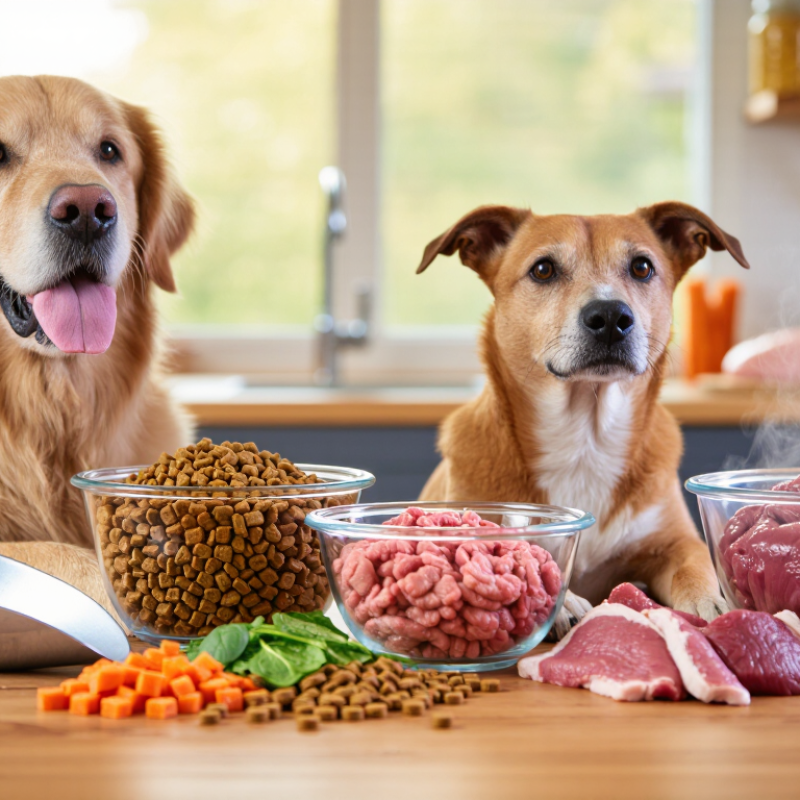
Freeze-dried raw dog food is made from uncooked animal ingredients, vegetables, and carefully selected supplements. The mixture is portioned and rapidly frozen, often below -30°C. A vacuum then removes ice as vapor, leaving a dry, lightweight texture. This process is called sublimation.
It is not cooking. The food may retain much of its original flavor and nutritional structure, but freeze-drying does not guarantee the removal of every pathogen. Reliable suppliers should explain ingredient sourcing, batch testing, processing controls, and nutritional formulation. Look for clear handling instructions, production dates, and sealed packaging that resists moisture. A dusty pouch or broken seal deserves caution.
At home, I would inspect the pieces before serving. They should smell clean, not sour or unusually sharp. Rehydration with clean water can soften the food and support fluid intake, especially for older dogs. Follow the supplier’s feeding guidance, because calorie density varies widely. Raw diets also require careful handwashing and separate utensils.
Some details remain easy to overlook. A premium-looking label cannot replace laboratory evidence. Even transparent suppliers may not describe every testing limit clearly. That gap matters. Dogs with medical conditions, weak immunity, or sensitive digestion may need individualized advice from a qualified veterinarian. Fresh water should remain available.
How to Evaluate Global Freeze-Dried Raw Dog Food Suppliers
Evaluating global freeze-dried raw dog food suppliers requires more than comparing prices. Request the supplier’s facility address, ownership details, and production history. Verify whether the facility follows recognized food safety systems and supports regular third-party audits. Ask for recent laboratory reports covering pathogens, moisture, and nutritional composition. Reports should match specific batch numbers, not generic product samples.
Traceability matters. A reliable supplier should identify ingredient origins, processing dates, lot codes, and recall procedures. Review the protein sources carefully. Specify species, tissue type, and country of origin. Packaging should protect food from moisture and oxygen during long-distance shipping. Check whether the supplier can maintain stable warehouse conditions before export. Small details matter here.
Import rules vary widely between destinations. Confirm ingredient declarations, feeding directions, shelf-life statements, and required veterinary documents with an independent compliance professional. Do not accept vague claims about “human-grade” quality without supporting evidence. Ask how nutritional adequacy is assessed for different life stages. A clear answer shows technical competence.
A supplier may provide impressive certificates but weak daily controls. I would inspect corrective-action records when possible. No supplier file is perfect. Missing documents should be discussed, not quietly ignored. Communication also reveals reliability: delayed answers, changing specifications, or unexplained test gaps deserve attention. A careful buyer compares records, observes consistency, and leaves room for informed doubt.
Top 10 Freeze-Dried Raw Dog Food Suppliers Worldwide
Top 10 Freeze-Dried Raw Dog Food Suppliers Worldwide
The top 10 freeze-dried raw dog food suppliers worldwide are not defined by attractive packaging alone. Reliable suppliers provide batch testing, ingredient traceability, and clear feeding guidance. They explain sourcing for meat, organs, and nutritional supplements. A useful label states moisture, calories, storage limits, and guaranteed analysis. It should also confirm whether the recipe is complete and balanced for a specific life stage. Experience shows that feeding instructions are only starting points.
Strong suppliers use controlled freezing, hygienic handling, and sealed packaging. Their facilities should maintain documented sanitation and quality-control procedures. Independent testing may verify pathogens, heavy metals, and nutrient consistency. Details matter. However, “raw” does not automatically mean safer or better. Freeze-drying reduces water activity, but it does not replace careful handling. Wash hands, use clean bowls, and store opened food in a cool, dry place. Some dogs need gradual transitions.
When comparing worldwide suppliers, examine recall records, customer-service transparency, and shipping conditions. International delivery may expose products to heat, delays, or damaged seals. Trust grows when suppliers publish contact details, lot codes, and corrective actions. Veterinary advice matters for puppies, senior dogs, and animals with medical conditions. My own evaluation would not rely on ingredient glamour. It would weigh evidence, consistency, and honest limitations. Even a well-made formula can be unsuitable for one dog.
Top 10 Freeze-Dried Raw Dog Food Suppliers Worldwide - Top 10 Freeze-Dried Raw Dog Food Suppliers Worldwide | Rank | Anonymous Supplier Profile | Primary Supply Region | Typical Product Format | Common Pack Sizes | Typical Moisture Level | Typical Shelf Life | Compliance or Quality Focus |
| 1 | Supplier Profile 01 | North America | Complete freeze-dried raw meals | 113 g–1.8 kg | Usually below 10% | Approximately 12–24 months unopened | Complete-and-balanced positioning |
| 2 | Supplier Profile 02 | Western Europe | Freeze-dried meat-and-organ formulas | 100 g–1 kg | Usually below 10% | Approximately 12–24 months unopened | EU pet-food compliance focus |
| 3 | Supplier Profile 03 | Oceania | Single-protein meals and toppers | 100 g–1.5 kg | Commonly 3%–8% | Approximately 12–24 months unopened | Traceability and export controls |
| 4 | Supplier Profile 04 | Central Europe | Multi-protein complete meals | 200 g–1.5 kg | Usually below 10% | Approximately 12–18 months unopened | FEDIAF-style nutritional formulation |
| 5 | Supplier Profile 05 | East Asia | Freeze-dried meat treats and meal mixers | 30 g–500 g | Commonly 3%–8% | Approximately 12–24 months unopened | Ingredient-specific product lines |
| 6 | Supplier Profile 06 | Canada and the United States | Raw patties, nuggets, and bite-size pieces | 170 g–2 kg | Usually below 10% | Approximately 12–24 months unopened | HACCP-based food-safety programs |
| 7 | Supplier Profile 07 | Nordic and Baltic region | Fish-based and novel-protein formulas | 100 g–1 kg | Commonly 3%–8% | Approximately 12–18 months unopened | Marine ingredient traceability |
| 8 | Supplier Profile 08 | Latin America | Regional meat recipes and private-label formats | 100 g–1.5 kg | Usually below 10% | Approximately 12–18 months unopened | Export-oriented manufacturing |
| 9 | Supplier Profile 09 | United Kingdom and Ireland | Complete meals, treats, and training bites | 50 g–1.5 kg | Commonly 3%–8% | Approximately 12–24 months unopened | Retail-ready packaging capability |
| 10 | Supplier Profile 10 | South and Southeast Asia | Contract-manufactured freeze-dried products | 50 g–2 kg | Usually below 10% | Approximately 12–24 months unopened | Flexible batch and packaging options |
Note: Product specifications are representative industry ranges for anonymized supplier profiles. Actual moisture, shelf life, pack size, formulation, and regulatory status vary by product and destination market.
How to Choose the Right Supplier for Your Dog’s Needs
Choosing among the top freeze dried raw dog food suppliers requires more than comparing prices. Your dog’s age, weight, allergies, activity level, and medical history should guide the decision. A high-protein recipe may suit an active adult dog, but it may not fit a puppy or a dog with kidney concerns. Ask your veterinarian before changing diets.
Examine the supplier’s ingredient sourcing and quality controls. Reliable companies should explain where meat comes from, how batches are tested, and whether nutrition is checked by qualified professionals. Look for complete and balanced nutritional statements suited to your dog’s life stage. Clear feeding instructions matter too. Vague labels are a warning sign.
Packaging reveals practical experience. The pouch should be sealed firmly, show a lot number, and include storage guidance. Freeze dried food can stay stable unopened, but moisture may spoil it after opening. Use a clean scoop and reseal the package quickly. I would request a recent laboratory report, not only a general safety promise. Some suppliers respond slowly or provide incomplete documents. That hesitation deserves attention.
Consider delivery conditions as well. Long transit times, damaged cartons, or poor temperature guidance can affect product quality. Start with a small package and monitor stool, appetite, coat, and energy for several days. Change gradually. Dogs do not always read the feeding plan.