Top Features of Rectangular Plastic Buckets You Need to Know?
Rectangular Plastic Buckets have become essential tools across various industries. According to a recent market report by Grand View Research, the global plastic container market is expected to reach $45 billion by 2027. This growth underscores the importance of products like the Rectangular Plastic Bucket, which offer versatility and durability.
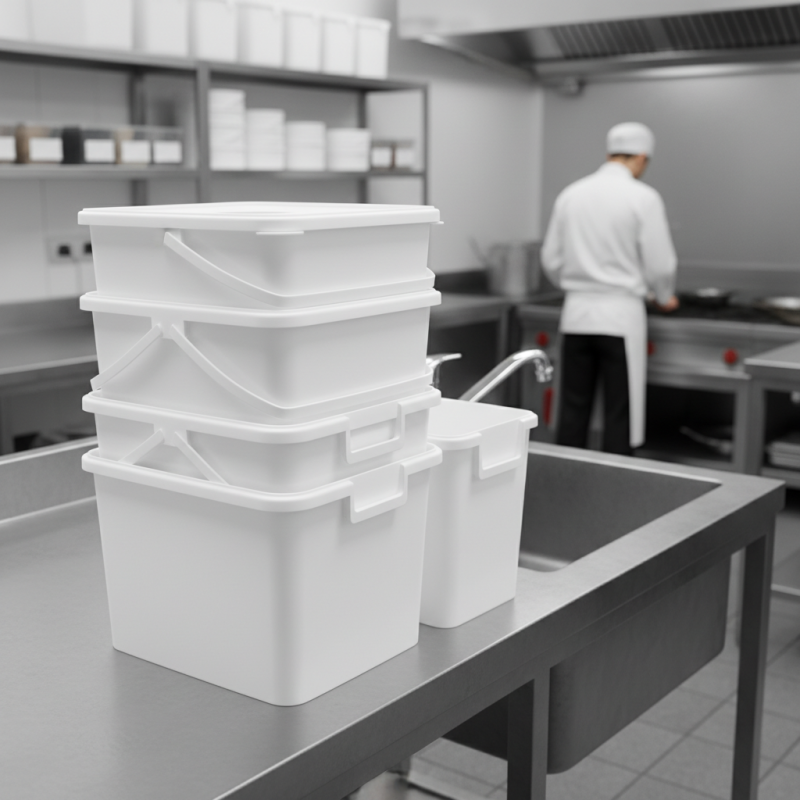
These buckets are not just for storage. They are widely used in food service, cleaning, and construction sectors. In food service, for instance, the ability to stack these buckets saves space and improves organization. Cleaning professionals often favor them for their ease of use and strong design. Yet, not all rectangular plastic buckets meet the needed standards. Some lack BPA-free materials or durable construction, leading to potential risks for users.
Additionally, one must consider the environmental impact of using plastic. While many manufacturers are beginning to adopt sustainable practices, some products still contribute to waste. Users should reflect on their choices, balancing functionality with eco-consciousness. As the demand for these tools increases, so does the responsibility to choose wisely.
Key Benefits of Using Rectangular Plastic Buckets
Rectangular plastic buckets offer several key benefits that make them a favorite choice in many industries. Their design maximizes storage space, allowing for efficient stacking and transportation. According to a study by the National Association of Container Distributors, rectangular buckets can hold up to 20% more volume compared to their round counterparts. This added efficiency is essential in warehouses where space optimization is critical.
These buckets are versatile. They can be used for carrying liquids, storing grains, or even for cleaning applications. Their design makes them easy to handle, even when full. However, it’s important to note that not all plastic buckets are created equal. Some materials may degrade under UV light, impacting their longevity. Careful selection of the material is necessary to ensure durability.
Moreover, rectangular plastic buckets are often recyclable, adding an eco-friendly element. The Environmental Protection Agency states that recycling plastic can reduce landfill waste significantly. But, improper disposal of these buckets can lead to environmental concerns. Users must be vigilant about their end-of-life handling to ensure sustainability. While they provide great utility, continual improvement in material choice remains a topic for reflection in industry practices.
Common Uses for Rectangular Plastic Buckets in Daily Life
Rectangular plastic buckets are incredibly versatile and commonly found in households. They are used for various purposes, making daily tasks easier. For instance, many people use them for cleaning. A rectangular shape allows for better storage of cleaning supplies. You can neatly store bottles and brushes without wasting space.
In the kitchen, these buckets serve several functions. They can hold food items like fruits or vegetables. Their shape is ideal for washing larger quantities efficiently. Some people even use them to marinate meats. The design allows for easy mixing and prevents spills.
While they are useful, there are moments when they fall short. Not all rectangular buckets are sturdy. Some crack under pressure, especially when carrying heavy items. People often overlook the weight capacity, only to regret it later. Also, cleaning them can be a hassle. If not washed properly, they may retain odors. Reflecting on these minor issues can help users make more informed choices.
Material and Design Considerations for Durability
When considering rectangular plastic buckets, the material used plays a crucial role in their durability. High-density polyethylene (HDPE) is commonly favored. It offers excellent resistance to impacts, making it a top choice for heavy-duty applications. According to a report from the Plastic Industry Association, HDPE can withstand temperature fluctuations without compromising its structural integrity. This is especially important for outdoor storage or transportation.
Design elements also influence durability. The thickness of the plastic, for example, can significantly affect a bucket’s lifespan. Thinner materials might be lighter, but they are often less resilient. A study published by the American Society for Testing and Materials found that thicker-walled buckets tend to last longer and resist cracking better than their thinner counterparts.
Another factor to consider is the bucket's shape and handle design. Buckets with reinforced handles distribute weight more efficiently, reducing the risk of handle failure. However, not all designs consider this necessity, which can lead to frustrating experiences for users. Some models might look appealing but fail in practical applications. Thus, while aesthetics matter, functionality shouldn't be overlooked.
Different Sizes and Capacities of Rectangular Plastic Buckets
Rectangular plastic buckets come in various sizes and capacities, making them versatile for different tasks. Ranging from small 5-liter buckets to larger 30-liter ones, each serves unique purposes. The smaller buckets are often ideal for home use, like washing dishes or holding cleaning supplies. On the other hand, larger buckets are better suited for construction or gardening tasks. You can use them for carrying soil, tools, or even transporting water.
Choosing the right size is crucial. A bucket that's too small can lead to multiple trips, which is inefficient. Conversely, larger buckets may become heavy and unwieldy. Consider the weight you can comfortably lift. Some people forget to assess this before loading their buckets. Additionally, the shape can impact storage. While rectangular buckets can save space, they may not fit well in all storage areas. Make sure to measure your storage space to avoid issues later. Lastly, always think about the intended use before selecting a size, as functionality should guide your choice.
Top Features of Rectangular Plastic Buckets - Sizes and Capacities
Environmental Impact and Recycling Options for Plastic Buckets
Plastic buckets are commonly used, but their environmental impact is significant. Most plastic buckets are made from non-biodegradable materials. This means they persist in landfills for hundreds of years. Improper disposal can lead to serious pollution. Many people underestimate how long plastic lasts in the environment.
Recycling options are available, yet they are not widely utilized. Some buckets can be recycled, but many end up in the trash. Local recycling programs may not accept all types of plastic. People should check recycling guidelines before disposal. The process of recycling can also be complex. Contaminated buckets may not be accepted, making recycling harder.
Awareness around the environmental impact of plastic is growing. Consumers are increasingly looking for sustainable alternatives. Using biodegradable materials, for instance, can reduce pollution. However, we must reflect on our usage patterns. Are we really making the best choices? Small changes in habits could lead to a significant positive impact over time.