

2026 Top Car Perfume Diffuser Suppliers for Global Buyers
The 2026 Car Perfume Diffuser market is becoming more design-led, performance-focused, and internationally competitive. Buyers now compare scent quality, leakage control, refill compatibility, packaging, and compliance documentation. A polished bottle is not enough.
Grand View Research’s 2024 Air Freshener Market report identifies rising demand for premium fragrance formats and longer-lasting products. IMARC’s Car Air Freshener Market analysis also highlights personalization, online retail, and vehicle ownership as important growth factors. These reports offer useful direction, but market estimates vary by category definition and region. That weakness deserves attention.
Rachel Herz, a leading scent psychologist and author of The Scent of Desire, states, “Smell is the sense most closely linked to memory and emotion.” Her observation explains why fragrance selection can influence driving comfort, brand recall, and perceived interior quality. However, emotional appeal cannot replace product evidence. Global buyers still need verified ingredient information, stable fragrance performance, secure closures, and realistic delivery timelines.
This guide reviews leading Car Perfume Diffuser suppliers for 2026, including manufacturers, private-label producers, and customization partners. It considers production capacity, scent development, material quality, sustainability claims, certifications, and export experience. Some suppliers appear impressive online but provide limited technical details. That matters.
A reliable supplier should communicate clearly, test consistently, and acknowledge limitations. Buyers should request samples under real vehicle conditions, including heat, vibration, and prolonged use. Small details often expose major weaknesses.
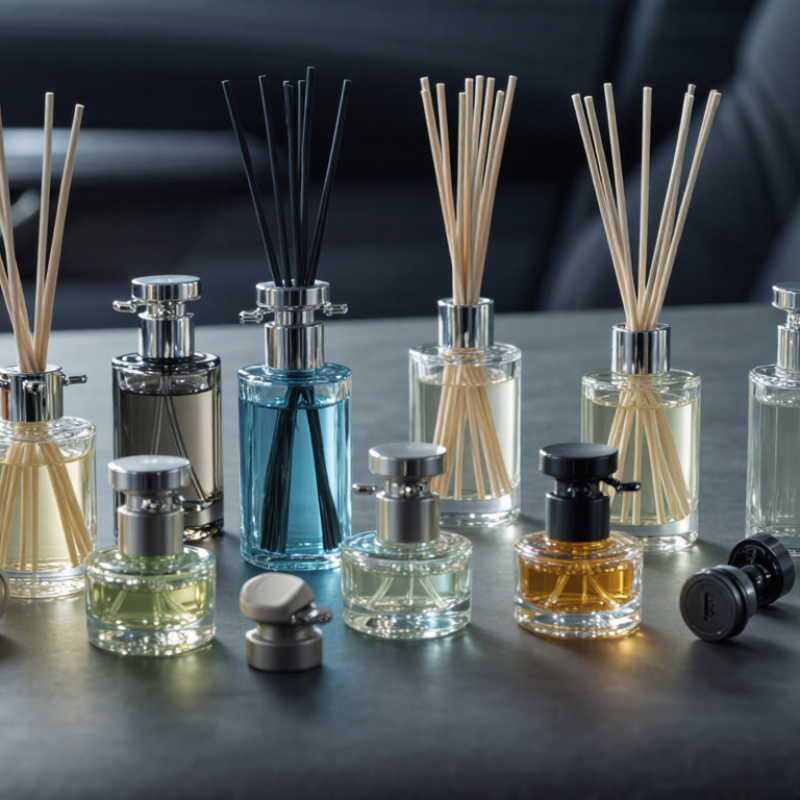
Car Perfume Diffusers: Types, Functions, and Supplier Categories
Car perfume diffusers come in several practical forms. Vent-clip models spread fragrance through moving air, while hanging bottles release scent slowly by absorption. Solid ceramic and wood diffusers offer a softer, less noticeable effect. USB or electric units provide adjustable output, but they require power and careful heat control. Refillable designs can reduce packaging waste, although their seals may weaken after repeated use.
Their main functions include odor masking, controlled fragrance release, and interior atmosphere improvement. Reliable products should resist leakage during sharp turns, temperature changes, and long parking periods. Materials also matter. Fragrance oils can damage plastics, coatings, or synthetic leather. A supplier should provide compatibility data, safety documents, ingredient information, and clear usage instructions. Small details count.
Global buyers usually work with four supplier categories: direct manufacturers, OEM or ODM producers, wholesalers, and specialized fragrance accessory distributors. Manufacturers may offer stronger production control and better customization. OEM and ODM suppliers support packaging, scent development, and private labeling. Wholesalers often provide mixed quantities and quicker purchasing, but quality consistency can vary. Specialized distributors may understand regional compliance better. A first sample can mislead. Test multiple batches, inspect the cap, measure scent duration, and review transport performance before placing a large order. No diffuser performs perfectly in every climate. Humidity, heat, and customer preference still change the final experience.
Key Product Features, Materials, and Fragrance Technologies
2026 Top Car Perfume Diffuser Suppliers for Global Buyers
Reliable car perfume diffusers combine practical design, safe materials, and controlled fragrance release. In product evaluations, I look for leak-resistant bottles, stable clips, and compact shapes that do not block the driver’s view. Glass offers a premium feel, while recyclable plastic can reduce weight and shipping costs. Natural wood caps add texture, but they may absorb oil unevenly in humid climates. This detail is easy to overlook.
Fragrance technology now includes porous ceramic cores, fiber sticks, and adjustable vents. Ceramic releases scent steadily, while fiber systems can provide stronger initial diffusion. Suppliers should explain fragrance concentration, evaporation testing, and compatibility with interior materials. Clear safety documents matter, including ingredient information, transport details, and regional allergen disclosures. I have found that “long-lasting” claims vary widely without a standard testing method. Buyers should request samples under hot and cold conditions before placing large orders. Some suppliers provide impressive packaging but weak scent consistency. That needs honest review.
Tips: Check the closure after shaking each sample. Test scent strength inside a parked vehicle. Ask for material and safety reports. Compare performance after two weeks, not two hours. Avoid choosing only by appearance. A beautiful diffuser with unstable oil can stain dashboards or fade quickly. Supplier communication also reveals expertise; precise answers are usually more dependable than vague promises.
Supplier Evaluation: Quality, Safety, Certifications, and Customization
For global buyers, supplier evaluation must go beyond scent samples. Fortune Business Insights valued the global car air freshener market at about USD 2 billion in 2023, showing strong demand but also intense quality competition. A reliable supplier should provide batch records, ingredient traceability, and a current Safety Data Sheet for every fragrance formula. Request an IFRA Certificate of Conformity, but verify its product category and intended use. The document alone does not prove finished-product safety.
Safety testing should reflect real vehicle conditions. Ask for leakage tests, heat-aging tests near 60°C, packaging compatibility data, and closure-strength results. Suppliers serving Europe should explain REACH and CLP compliance, including hazard labeling and allergen disclosure. ISO 9001 supports process control, yet it does not automatically certify fragrance safety. This distinction is often missed.
Customization needs technical discipline. A supplier should confirm fragrance concentration, material compatibility, color stability, minimum order quantity, and mold ownership in writing. The Research and Markets 2024 industry analysis identifies customization and premium fragrance demand as important market drivers. Still, “natural” does not always mean safer. Some botanical oils may irritate skin or damage plastic surfaces. I have seen attractive samples fail after prolonged heat exposure. Ask for independent laboratory reports, not only internal claims.
Small details matter. A weak cap can ruin an entire shipment.
Global Purchasing Factors: MOQ, Pricing, Lead Times, and Shipping
2026 Top Car Perfume Diffuser Suppliers for Global Buyers
MOQ often decides whether a supplier is truly suitable. Small orders reduce inventory risk, but unit prices usually rise. Small MOQs cost more. For repeat programs, request tiered pricing at 500, 1,000, and 5,000 units. Compare fragrance strength, diffuser material, packaging, and testing fees separately. A low quote can mislead. According to the World Bank’s 2023 Logistics Performance Index, customs, infrastructure, shipment arrangement, and timeliness all affect logistics performance. Buyers should therefore evaluate delivery capability, not only factory pricing.
Lead times need written definition. Ask whether production starts after payment, artwork approval, or sample confirmation. Standard diffuser production may require 20–35 working days, while customized molds can add several weeks. UNCTAD’s Review of Maritime Transport 2024 highlights how route disruptions and port congestion can extend shipping schedules. Build a buffer of 10–15 days for ocean freight. Air shipping is faster, but its cost can change sharply with fuel and chargeable weight.
Request a landed-cost sheet before approving the purchase. Include product cost, cartons, export documentation, freight, insurance, duties, and destination handling. The International Trade Centre recommends checking tariff classifications and market requirements before shipment. Also request safety data, ingredient disclosure, leakage testing, and current fragrance compliance documents. I would not rely on a supplier’s sample alone. Color, scent intensity, and evaporation can vary between batches. That deserves a second inspection.
2026 Top Car Perfume Diffuser Suppliers for Global Buyers - Global Purchasing Factors: MOQ, Pricing, Lead Times, and Shipping
The figures below are indicative 2026 market ranges for generic private-label and OEM purchasing. Final quotations vary according to fragrance formula, diffuser material, packaging, certification, order volume, destination, and Incoterms.
| Supplier Segment | Typical Product Format | Typical MOQ | Indicative Unit Price EXW / FOB | Sample & Development | Production Lead Time | Shipping Profile | Common Incoterms | Key Purchasing Checks |
|---|---|---|---|---|---|---|---|---|
| High-volume OEM diffuser manufacturer | Vent-clip diffuser, hanging bottle, or refill system with custom fragrance and packaging | 3,000–10,000 units per design | US$0.70–2.80 per unit, depending on materials and packaging | US$30–150 for samples; 7–20 days for fragrance and artwork approval | 25–45 days after artwork, formula, and deposit approval | Ocean freight is usually the most economical; air freight is available for urgent replenishment | EXW, FOB, CIF, DDP for selected destinations | Fragrance stability, leakage testing, clip strength, carton drop test, and batch consistency |
| Mid-volume private-label supplier | Standard diffuser body with customized label, fragrance selection, and retail carton | 500–3,000 units per SKU | US$1.20–4.50 per unit | US$20–100; 5–15 days for standard fragrance samples | 20–35 days for standard components; 35–55 days for special packaging | Consolidated ocean freight can reduce landed cost for mixed SKUs; courier is practical for samples | EXW, FCA, FOB, CIF | Actual component availability, label adhesion, fragrance documentation, and packaging minimums |
| Small-batch customization supplier | Ready-made vent clip or hanging diffuser with limited label and scent customization | 100–500 units per SKU | US$2.50–7.50 per unit | Usually US$10–60; 3–10 days for available samples | 10–25 days, subject to stock availability | Courier and air parcel services are suitable for low-volume orders; freight cost per unit is higher | EXW, FCA, DAP, DDP | Stock status, customization limits, replacement policy, and total landed cost |
| Premium natural-fragrance supplier | Wooden-cap bottle, ceramic diffuser, or premium refill using essential-oil or natural-inspired fragrance | 1,000–5,000 units per design | US$2.80–9.00 per unit | US$50–250; 10–25 days for formula matching and compatibility tests | 30–60 days, especially when natural oils or molded components are used | Ocean freight is preferred; dangerous-goods review may affect air shipment options | FOB, CIF, DAP, selected DDP routes | Ingredient disclosure, allergen labeling, material compatibility, leakage prevention, and shelf life |
| Retail-ready packaging supplier | Finished diffuser set with printed carton, barcode area, inserts, and protective shipping packaging | 2,000–8,000 complete sets | US$1.80–6.50 per set | US$40–180; 10–20 days for printed packaging proofs | 30–50 days after color proof and packaging approval | Carton dimensions and pallet efficiency have a major effect on ocean and air freight cost | EXW, FOB, CIF, DDP | Barcode readability, print color tolerance, carton strength, pallet configuration, and retail compliance |
| Regional contract manufacturer | Locally or regionally assembled diffuser with imported or domestic fragrance components | 1,000–10,000 units per order | US$3.50–12.00 per unit | US$75–300; 2–6 weeks for technical and fragrance validation | 30–75 days depending on component sourcing and production capacity | Shorter domestic transit and simpler replenishment; unit cost may be higher than offshore production | FCA, DAP, DDP, domestic delivered pricing | Local regulatory labeling, supply continuity, capacity reservation, and cost of imported components |
| Refill-focused supplier | Liquid refill bottle, cartridge, or scent pod compatible with a reusable diffuser body | 2,000–10,000 refills per fragrance | US$0.45–2.50 per refill | US$25–120; 7–18 days for scent and closure compatibility checks | 20–45 days for standard refill packaging | Liquid classification, leakage prevention, and temperature exposure should be reviewed before shipment | EXW, FOB, CIF, DAP | Closure torque, evaporation rate, leakage test, shelf life, and compatibility with the original diffuser |
| Fast-replenishment stock supplier | Standard diffuser designs and pre-produced fragrances held in warehouse inventory | 50–500 units per SKU | US$1.50–6.00 per unit | Usually no development fee; samples can ship in 2–7 days | 3–15 business days when stock is available | Air courier or regional fulfillment supports urgent orders; shipping cost is generally higher per unit | FCA, DAP, DDP | Real-time inventory, remaining shelf life, lot traceability, and replenishment reliability |
Global buyer reference: For international comparison, request the same specification from each supplier: diffuser format, fill volume, fragrance type, packaging level, quantity, destination port or city, carton dimensions, gross weight, HS classification, shipping method, and applicable compliance documents.
How to Choose the Right Car Perfume Diffuser Supplier in 2026
2026 Top Car Perfume Diffuser Suppliers for Global Buyers
Choosing the right car perfume diffuser supplier in 2026 requires more than comparing prices. Grand View Research estimates that the global automotive air freshener market will continue growing through 2030, supported by rising vehicle ownership and premium interior-care demand. However, market reports use different definitions, so buyers should verify every figure and supplier claim.
Ask for recent batch records, Safety Data Sheets, allergen declarations, and leakage-test results. A reliable supplier should explain fragrance concentration, diffuser material, shelf life, and storage conditions clearly. Request samples tested inside a parked vehicle at high temperatures. Check whether the scent remains stable after several weeks, not only during the first hour. Small details matter.
Review production capacity, minimum order quantities, lead times, and packaging controls. ISO 9001 certification can support quality management, but it does not replace product testing. The International Fragrance Association publishes standards that help buyers assess fragrance safety practices, although compliance evidence still needs independent checking. I would not trust impressive certificates without traceable documents. That is a weakness in my own checklist too. Odor preference remains subjective, and even a technically consistent supplier may deliver a scent that feels too strong for local customers. Get feedback from drivers in the target market before approving a large order.