

Top 10 Spring Jackets for Men in 2026
Spring weather rarely follows a neat forecast. A cool morning can turn mild by lunchtime, then bring a gusty walk home. The right jacket needs to handle those shifts without feeling bulky or looking out of place. Layers matter. A light shell, a cotton chore coat, and a lined bomber each suit different days, commutes, and personal styles.
For readers searching “Spring Jackets Men,” this 2026 guide compares ten practical options across useful details: fabric, weather coverage, warmth, fit, and everyday versatility. It considers what a jacket feels like over a T-shirt or sweater, whether its pockets hold essentials, and how easily it fits into a weekly wardrobe. No jacket wins every day. Water resistance is not the same as full waterproofing, and sizing can vary between brands, so check product specifications and fit notes before buying. The picks are a starting point, not a promise that one style suits everyone. Choose for your local climate, how you travel, and the clothes you already wear. A jacket may look sharp online but feel restrictive over a thick layer. That is worth remembering.
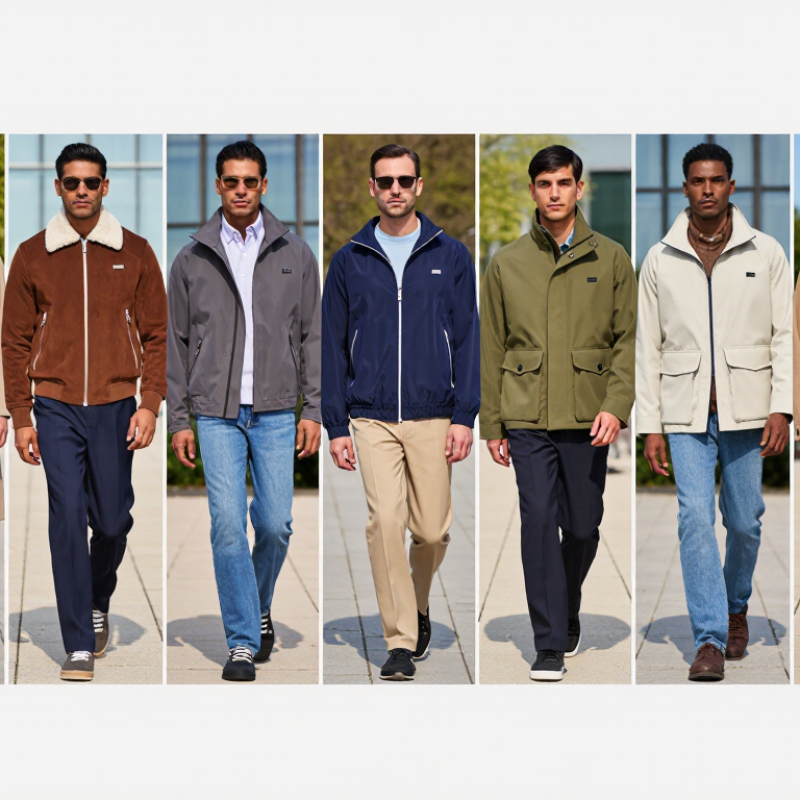
What Defines a Spring Jacket for Men in 2026
In 2026, a spring jacket for men should handle cool mornings, mild afternoons, and sudden light rain. It needs enough room for a shirt or thin sweater without feeling bulky indoors. That balance matters. Heavy insulation can become uncomfortable by midday, while a flimsy shell may offer little protection when the wind picks up. A practical jacket feels light on the shoulders and moves easily when reaching, cycling, or carrying a bag.
Fabric and construction matter more than a long list of features. A tightly woven shell can help block wind, while a breathable lining reduces that clammy feeling during a brisk walk. Check the seams, zipper, and cuffs: these small details often affect daily comfort. For unpredictable weather, a simple hood or a collar that closes neatly can be useful. Not always. A hood may also bunch beneath a backpack, so try the jacket with the layers you actually wear.
Fit should allow movement without excess fabric flapping around the waist. Sleeves should cover the wrists when arms are extended, and the hem should sit comfortably over trousers. Muted colors tend to work across casual and smart-casual outfits, but personal use matters more than a trend forecast. It is easy to focus on appearance and overlook pocket placement or ventilation. Those details can decide whether a jacket stays by the door or becomes a regular part of the spring wardrobe.
How to Choose a Jacket for Spring Weather and Everyday Needs
Spring weather can change between a cool morning commute and a bright afternoon walk. Choose a jacket that handles those shifts without feeling bulky indoors. A lightweight shell helps with wind and brief showers, while a cotton or canvas layer often feels comfortable on dry days. Check the forecast, but also consider how long you will be outside. A short walk to the car needs less protection than a breezy bike ride.
Fit matters as much as fabric. Try the jacket over a sweater you actually wear, then reach forward and lift your arms. The hem should stay in place, and the shoulders should not pull. Useful pockets should hold your phone and keys without making the front sag. Small details count. A two-way zip or adjustable cuffs can help regulate warmth, though extra features are not always worth the added weight.
For everyday use, look for easy care and a color that works with several outfits. If rain is common where you live, check whether the material is water-resistant and whether seams offer extra protection; water-resistant does not mean waterproof. I sometimes choose a jacket that looks right indoors and regret it on a windy platform. Not perfect. Keep the jacket light enough to carry, but warm enough for the coldest part of your usual day.
The Top 10 Spring Jackets for Men in 2026
Spring weather shifts quickly, so the best jacket depends on your routine and local forecast. Consider ten useful styles: a lightweight trench, field jacket, Harrington, denim jacket, chore coat, packable rain shell, softshell, quilted liner, waxed-cotton jacket, and lightweight bomber. The Outdoor Industry Association’s 2024 Outdoor Participation Trends Report counted 175.8 million U.S. participants in outdoor recreation during 2023. That range of activities calls for layers that move easily from city streets to damp trails. A breathable shell suits sudden showers; a quilted layer adds warmth on chilly mornings. Fit matters, too. Check that sleeves cover your wrists when you reach forward, and leave room for a thin sweater. Not every “water-resistant” jacket handles prolonged rain.
Textile Exchange’s Materials Market Report 2024 estimated that polyester made up 57% of global fiber production in 2023. That figure is a reminder to read fabric labels, not proof that one jacket material is always best. Recycled fibers, cotton canvas, and technical weaves each have trade-offs in comfort, drying time, and care. I’d compare construction and repairability before chasing a trend. Sometimes, the old jacket still wins.
Tips: Check your local 1991–2020 climate normals from NOAA, then choose insulation and rain protection accordingly. Try the jacket with your usual spring layers. Walk, reach, and sit in it before deciding. A little awkwardness in the fitting room can reveal a lot.
Top 10 Spring Jackets for Men in 2026
Fabric weight is shown in grams per square meter (gsm). Bars use representative midpoints of typical ranges: windbreaker shells 30–70 gsm, cotton twill 200–300 gsm, fleece 100–300 gsm, denim 340–475 gsm, and waxed cotton 270–410 gsm. Actual weights vary by fabric and construction; lighter fabrics are generally easier to layer in mild spring weather.
How to Style Spring Jackets for Different Occasions
A spring jacket works best when it fits the day, not just the forecast. For a casual weekend, wear a lightweight field jacket over a cotton T-shirt, straight-leg jeans, and clean sneakers. Push up the sleeves if the afternoon warms. For a coffee meeting, try a simple bomber with a fine-knit sweater and chinos. Keep the colors calm, then add one small contrast, such as a pale shirt under a dark jacket. Not complicated.
At the office, a neat, unpadded jacket can sit over an Oxford shirt and tailored trousers. Check that the hem does not bunch beneath your coat or pull when you sit. For an evening out, a suede-look or textured jacket adds interest over a plain top; darker trousers keep the outfit grounded. On rainy commutes, choose a water-resistant shell and shoes that can handle wet sidewalks. A stylish jacket is less useful when you spend the evening worrying about drizzle.
For travel, a packable jacket with secure pockets is practical over a breathable layer. Avoid wearing too many thick pieces at once; changing temperatures can make them uncomfortable. I still sometimes dress for the cool morning and regret it by lunchtime. A light layer underneath is easier to remove. Fit matters, but comfort matters more. A sleeve that catches on your watch is a small flaw you will notice all day.
How to Care for and Store Spring Jackets
Spring jackets last longer when dirt is removed before it settles into the fabric. Brush off dry mud, empty the pockets, and check the care label before washing. A damp cloth and mild detergent may be enough for a small mark. Wash the whole jacket only when needed; coatings and linings can respond differently to heat and detergent. Air it out. If the label permits machine washing, close zippers and fasteners to reduce snagging. Skip fabric softener unless the care instructions specifically allow it. Let the jacket dry completely before putting it away, including cuffs and pocket corners.
For storage, choose a cool, dry place away from direct sunlight. Use a shaped hanger for a structured jacket, or fold a soft one without crushing its collar. Avoid sealing a jacket in plastic if any moisture remains. Give it breathing room. WRAP’s 2012 Valuing Our Clothes report estimated that extending clothing use by nine months could reduce its carbon, water, and waste footprints by 20–30 percent. That estimate covers clothing broadly, not spring jackets alone, but it makes routine care worthwhile. One detail is easy to miss: a jacket can feel dry on the outside while a lining is still damp. Check before storing, and reconsider the habit of washing after every wear.
Top 10 Spring Jackets for Men in 2026 - How to Care for and Store Spring Jackets
| Rank | Jacket Type | Typical Materials | Best For | Care | Storage |
|---|---|---|---|---|---|
| 1 | Lightweight rain jacket | Water-resistant woven fabric, often with a synthetic lining | Showers, breezy days, and changeable weather | Follow the garment label; use a gentle wash when permitted. Avoid fabric softener if the care label advises against it, as it can affect water-repellent finishes. | Dry completely before hanging in a cool, dry, well-ventilated closet. |
| 2 | Windbreaker | Lightweight nylon or polyester | Windy, mild days and packable everyday wear | Spot-clean small marks or machine-wash on a gentle cycle if the label permits. Close zippers and fasteners before washing. | Hang or loosely fold only when fully dry; avoid prolonged compression. |
| 3 | Unlined field jacket | Cotton, cotton blends, or lightweight canvas | Cool mornings, casual outings, and light layering | Brush off dirt and spot-clean when possible. Wash according to the label, since cotton may shrink or change shape with heat. | Use a sturdy hanger in a dry closet; empty pockets before storing. |
| 4 | Denim jacket | Cotton denim, sometimes with a small amount of stretch fiber | Dry, mild days and relaxed everyday outfits | Wash infrequently and follow the care label. Turn inside out and use a cool, gentle wash when machine washing is allowed. | Hang from a strong hanger or fold neatly in a dry space away from direct sunlight. |
| 5 | Harrington-style jacket | Cotton, polyester, or blended shell fabric, often with a lightweight lining | Smart-casual wear in mild or breezy conditions | Spot-clean where practical; check the label before washing, especially when the jacket has a lining or special finish. | Hang on a shaped hanger after airing and make sure the lining is dry. |
| 6 | Lightweight bomber jacket | Nylon, polyester, cotton, or blended shell fabric | Casual wear and cool spring evenings | Check the care label for shell and lining requirements. Close fasteners and avoid high heat unless specifically permitted. | Hang without stretching the ribbed cuffs or hem; store clean and completely dry. |
| 7 | Softshell jacket | Stretch-woven synthetic fabric, sometimes with a water-resistant finish | Active use, light wind, and occasional light precipitation | Wash according to the label with a suitable detergent. Skip fabric softener if the manufacturer’s care instructions recommend doing so. | Air-dry fully and hang in a ventilated closet; avoid damp or sealed storage. |
| 8 | Lightweight chore jacket | Cotton twill, canvas, or cotton blends | Everyday wear and mild, dry weather | Brush off surface dirt and spot-clean first. Use the recommended wash method to help preserve the fabric and shape. | Hang on a broad hanger or fold along natural seams in a dry storage area. |
| 9 | Packable insulated jacket | Synthetic insulation or down with a lightweight woven shell | Cool mornings and chilly evenings when extra warmth is useful | Follow the specific label instructions. If washable, use the recommended cycle and dry thoroughly so the insulation does not remain damp or clumped. | For long-term storage, keep it clean and dry, and avoid leaving it tightly compressed for extended periods. |
| 10 | Unstructured blazer jacket | Wool, cotton, linen, or blended suiting fabric | Workwear and dressier occasions in mild weather | Check the label before cleaning; many structured or tailored garments need professional care. Air between wears and spot-clean carefully. | Use a shaped hanger and a breathable garment cover; keep away from moisture and prolonged direct sunlight. |