

7 Tips for Choosing the Best Capsule Machine?
Choosing a Capsule Machine is less about chasing the most features and more about finding a good fit for your daily routine. A machine may look sleek on a counter, yet feel awkward if it cannot fit your favorite mug beneath the spout. Check capsule compatibility, drink options, cleaning steps, and the ongoing cost of capsules before comparing colors or special settings. Small details matter.
Coffee educator James Hoffmann has shared a useful principle: “The best coffee is the coffee you enjoy drinking.” Let that guide your choice. Think about whether you prefer espresso, a longer cup, or milk-based drinks. Check how quickly the machine heats, how much counter space it takes, and whether used capsules are easy to handle. A removable water tank can be easier to refill beside a sink. A drip tray that slides out simply can save a messy cleanup.
The seven tips ahead will help you compare those practical details without treating any single model as perfect. Some machines are quieter; others offer more drink choices. Capsule prices and availability can also vary by location, so check what you can actually buy nearby. A low purchase price may not tell the whole story. And yes, even a highly rated machine can disappoint if its coffee tastes wrong to you. That is worth remembering.
What a Capsule Machine Is and How It Works
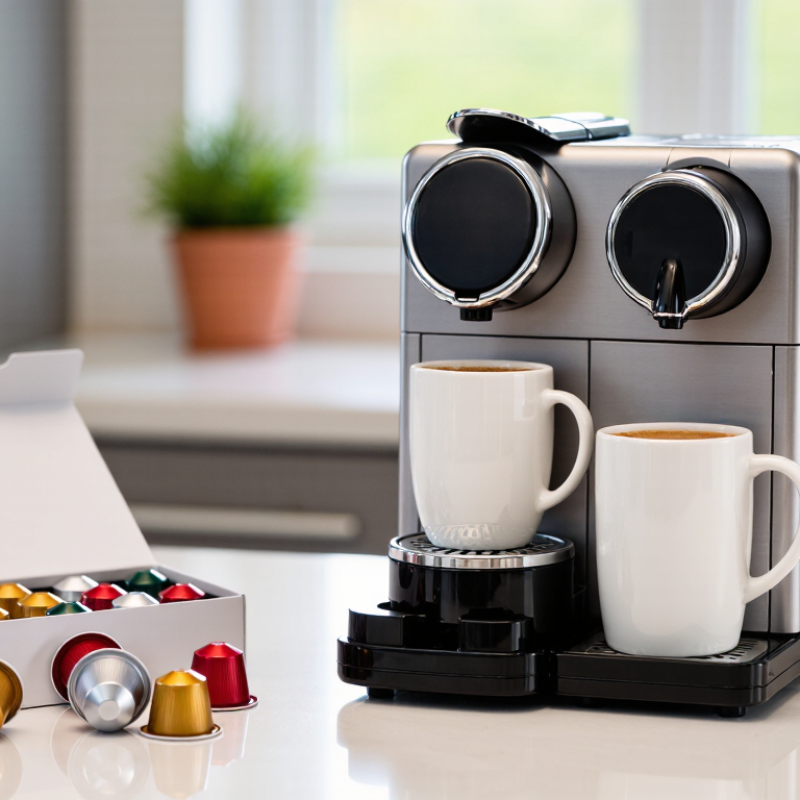
A capsule machine brews coffee by sending heated water through a sealed, pre-portioned capsule. Inside, the capsule’s foil is pierced, and water passes through the coffee grounds before flowing into a cup. The machine controls key steps, including water temperature and brewing time. Convenient, yes. But the result still depends on capsule freshness, cup size, and how clean the machine is.
When comparing machines, look at the brewing process rather than relying only on advertised pump pressure. Check whether the water tank is easy to remove, whether the drip tray fits your usual mug, and how the used capsules are collected. A narrow tray can turn a quick morning coffee into a small spill. Also check the cleaning instructions: mineral buildup may affect water flow and flavor.
The International Coffee Organization’s Coffee Report and Outlook, published in June 2024, estimated global coffee consumption at 177 million 60-kilogram bags for 2023/24.
That scale helps explain the demand for convenient brewing, but it does not prove every capsule system suits every household.
Capsule format matters. Machines generally accept specific capsule shapes, so compatibility can limit your choices later. Read the manual before buying, and check whether the machine offers adjustable volume or temperature. Those settings help, though they cannot rescue stale coffee.
One detail is easy to overlook: some machines need a brief rinse before brewing, which can add water and time. I’d test the everyday routine, not just the first cup. A showroom demo rarely shows the cleanup.
Assessing Your Coffee Habits and Daily Brewing Needs
Before choosing a capsule machine, track a normal week of coffee—not just your ideal morning routine. Note how many cups you make, when you drink them, and whether you brew only for yourself. The National Coffee Association’s 2024 National Coffee Data Trends report found that 67% of U.S. adults had coffee the previous day, compared with 63% in its 2023 report. These figures describe coffee drinking, not capsule-machine ownership, but they show how routine daily coffee is for many people.
That distinction matters. If you usually make one small cup before leaving home, a quick, single-serving machine may fit better than a model built for larger drinks. If two people brew back-to-back, check the water reservoir size and how often it needs refilling. Count your weekly servings, too; frequent capsule use can add up in cost and packaging. On rushed mornings, even a short warm-up delay can feel annoying. A common mismatch is buying for occasional guests, then using a bulky machine every day. Be honest about your habits. They may change, but your present routine is the best starting point.
Matching Capsule Types, Drink Options, and Machine Compatibility
Choosing a capsule machine starts with the capsules you can actually buy and use. Some machines accept only one capsule shape, while others work with several compatible types. Check the capsule dimensions and the machine’s puncturing system in the product manual. A capsule that looks close may still fail to seal or brew properly. I used to overlook that detail. It matters.
Next, match the machine to the drinks you enjoy. Espresso and lungo usually need only adjustable volume settings, but milk-based drinks may require a separate frother or capsules containing milk powder. Those options affect taste, cleaning, and storage. If you prefer a larger mug, confirm the cup clearance and maximum brew size before buying. A small drip tray can make everyday use awkward.
Also consider whether the machine recognizes capsules automatically or relies on manual settings. Recognition can simplify brewing, but it may limit your capsule choices. Check the manufacturer’s compatibility guide and confirm that suitable capsules are available near you. Then compare the cost per drink and the effort required to recycle or dispose of used capsules. I may be overly cautious, but compatibility claims can be vague. Read the fine print.
How to read this: A value of 100 indicates a format-level match; 0 indicates the formats are not interchangeable. Check your specific machine’s instructions, since compatibility can vary by model.
Comparing Size, Features, Speed, and Ease of Use
Start with the space the machine will actually occupy, not the dimensions on a product page alone. Measure the counter, including room to lift the lid and remove a water tank. A compact model may suit a narrow kitchen, but a tiny drip tray can mean frequent wiping. Small details matter. Check whether the cup platform fits your usual mug; some tall cups need the tray removed, which can make spills easier. Capacity also affects routine: a small reservoir is fine for occasional drinks, while a busy household may prefer fewer refills.
Compare features against habits, rather than counting buttons. Adjustable cup volume is useful if you switch between a small espresso and a larger drink. A removable tank and dishwasher-safe parts can simplify cleaning, though “easy to clean” still depends on the design. Speed matters during rushed mornings, but a few seconds saved may not offset louder operation or awkward controls. Not always. Look for clear buttons and a simple brew cycle, especially if several people will use it.
I’d once have ranked speed first; after considering refills, cleanup, and counter space, that feels too narrow. If possible, compare noise, setup steps, and cup clearance in person before choosing.
Checking Cleaning Requirements, Durability, and Long-Term Costs
A capsule machine should be easy to clean on an ordinary weekday, not just after a deep scrub. Check whether the drip tray, water tank, and capsule holder lift out without awkward twisting. Small detail, big difference. Coffee oils and damp grounds can collect around the piercing area, so look for clear cleaning instructions and parts you can reach safely. Not every removable piece belongs in a dishwasher. If your water is hard, regular descaling may also be needed; check how often the manual recommends it and whether the process is simple enough to follow.
Durability shows up in small parts: a lever that feels loose, a lid hinge that flexes, or a tray that cracks after repeated washing. Look for replaceable seals and accessible service support, rather than assuming the machine is disposable. Then estimate long-term costs using your likely cups per week. Include capsules, descaling supplies, and any water filters, not only the purchase price. A quick spreadsheet helps, though capsule use can be hard to predict. It is easy to overlook. Consider how often you actually drink coffee, and leave room for changing habits. A lower-priced machine may cost more over time if upkeep is fiddly or key parts are difficult to replace.