7 Tips for Choosing a Fitness Apparel Manufacturer
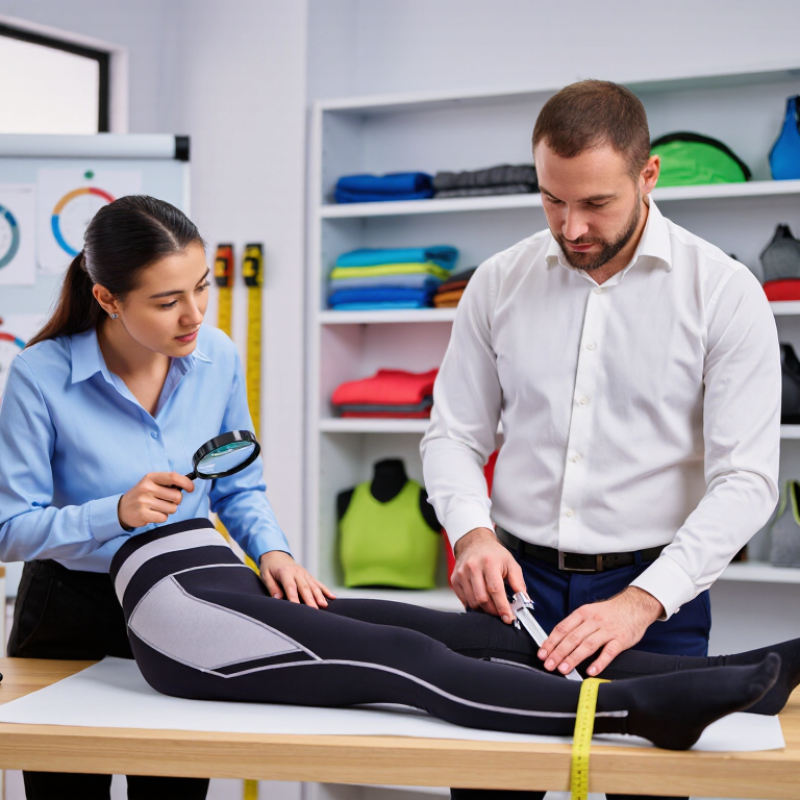
Choosing a Fitness Apparel Manufacturer involves more than comparing unit prices or browsing polished product photos. The right partner can influence fabric performance, fit consistency, production timing, and customer confidence. A sample may feel soft in a showroom but behave differently after repeated washing or a demanding workout. Small details matter. Check flatlock seams, waistband recovery, opacity during movement, and whether the size chart matches finished garments. These practical details often reveal more than a sales presentation.
A dependable evaluation also considers communication, quality checks, capacity, and the manufacturer’s experience with your product category. Ask how fabric lots are reviewed, how pre-production samples are approved, and what happens when a measurement falls outside the agreed range. Request clear timelines and written specifications, then compare the answers with the samples you receive. One impressive prototype is not proof of consistent production. That distinction is easy to overlook. No supplier will be perfect for every brand, and a low quote may come with trade-offs worth examining. The seven tips ahead offer a structured way to assess potential partners, verify important claims, and identify questions before committing to an order. Use them as a starting point, not a substitute for checking details yourself. A little hesitation can be useful. It encourages better questions before a promising conversation becomes a costly assumption.
Define Your Product Needs and Manufacturing Requirements
Before contacting a manufacturer, turn the product idea into measurable requirements. Specify the activity, target fit, fabric composition, weight, stretch, opacity, and intended climate. For leggings, define waistband height, seam placement, and squat-test expectations. For a running top, note ventilation zones and how quickly the fabric should dry. Small details matter. “Soft” is not a usable specification; a fabric swatch and agreed test criteria are clearer.
Material choices affect sourcing and production. Textile Exchange’s Materials Market Report 2024 estimates that global fiber production reached 124 million tonnes in 2023, with polyester accounting for 57% of the total. That scale makes fiber choice worth discussing early. Tell the factory whether you need recycled content, a particular blend, or documented material testing. Ask what evidence supports each claim, and confirm whether the requested fabric is available at your planned order volume.
Set practical manufacturing limits before sampling: size range, color count, target price, order quantity, packaging, and delivery window. Share a measurement chart and construction notes, then ask the manufacturer to flag details that may affect fit, cost, or lead time. A specification can still miss how fabric feels against skin. Request a sample, test it during the intended activity, and revise the brief where needed. That is normal. Do not assume a factory will infer unstated expectations.
Assess the Manufacturer’s Expertise and Production Capacity
Assess a fitness apparel manufacturer’s experience with the products you plan to make, not just its years in business. Ask for examples of leggings, compression tops, or sports bras made with similar fabrics and construction. A team familiar with stretch recovery, flatlock seams, and reinforced waistbands can often spot issues before bulk production. Ask how it checks fabric shrinkage and seam strength, and whether it records results for each production run. Ask for proof. A sample can look excellent while repeat orders vary in fit or finish.
Production capacity deserves the same close review. Ask how many sewing lines are available, what other orders share them, and how capacity changes during busy seasons. Request realistic minimum order quantities, sample timelines, and production lead times in writing. A large stated output is less useful if cutting, inspection, or packing becomes a bottleneck. That matters. If possible, review a production schedule or take a video tour of the work area. Notice whether fabric rolls, cut panels, and finished garments are organized and traceable. Leave room for doubt: a factory’s estimate is still an estimate. Confirm the details with a small initial order and check whether delivery dates and quality hold up.
7 Tips for Choosing a Fitness Apparel Manufacturer
Assess the Manufacturer’s Expertise and Production Capacity
Example scorecard only: ratings are illustrative, not measured supplier data. Verify activewear experience, equipment, quality records, monthly output, and scale-up capacity before choosing a manufacturer.
Check Fabric Quality, Testing Standards, and Certifications
Fabric claims can sound impressive, but ask for measurable specifications. Request the fabric composition, weight in grams per square meter, and stretch recovery data. Then compare those figures with a physical sample. Does the waistband recover after repeated pulls? Does the surface show pilling after rubbing? Small checks reveal issues a polished swatch may hide.
Testing matters. Ask for recent reports covering colorfastness to washing and perspiration, seam strength, shrinkage, and pilling. For performance pieces, request evidence supporting moisture-management or quick-drying claims. Reports should identify the tested material and method, not just display a passing result. Check the laboratory and report date. A test on a similar fabric is not proof for your exact order.
Certifications need the same scrutiny. Confirm what each certificate covers: a specific fiber, finished fabric, facility, or production process. Check its validity and whether the supplier’s name and site match the documents. Request traceable records for the fabric being quoted. Paperwork can be tidy while a bulk lot varies; that happens. Compare production samples with approved swatches, and keep your own notes on color, hand feel, and measurements. That extra check is worth the time.
Compare Pricing, Lead Times, and Minimum Order Quantities
A low unit price can look attractive until setup fees, sample charges, labels, packaging, and freight appear. Compare quotes using the same fabric weight, construction details, size range, and quality checks. Ask whether the price changes at different quantities, and request a written breakdown of one-time and recurring costs. That matters. A quote for 500 garments is not comparable to one for 1,000 unless the specifications match. Keep it visible.
Lead times need the same careful comparison. Ask when the clock starts: after deposit, fabric booking, or sample approval? Get separate estimates for sampling, bulk production, and shipping, plus a realistic range for busy seasons. A factory’s “30 days” may exclude approval delays, which can easily add time. Check how schedule changes are communicated. Minimum order quantities also vary by style, color, and size mix. A low overall MOQ may still require too many units in each color. Ask if a smaller trial run is possible, and calculate the cost per sellable garment, not just the quoted unit price. I may be overcautious here, but an unclear MOQ can leave boxes of unpopular sizes in storage.
Evaluate Communication, Sampling, and Long-Term Reliability
Choosing a fitness apparel manufacturer starts with how clearly the team communicates. Send a detailed brief with fabric weight, stretch, seam placement, size range, and intended training use. Notice whether the answers address those details or simply promise everything is possible. Replies alone can mislead. Ask who will handle your order and how changes will be recorded. A short written recap after each call can prevent small misunderstandings from becoming costly production errors.
Sampling shows whether communication carries through to the product. Request a prototype in the intended fabric, then test it during movement, not just on a hanger. Check waistband recovery, seam comfort, opacity under stretching, and how the garment feels after washing. Share specific feedback, such as “the side seam twists after a squat,” and see whether the next sample reflects it. One sample proves little. Keep notes on each revision; it is easy to forget what changed between versions.
Long-term reliability is built through repeatable processes, not friendly promises. Ask how the manufacturer checks measurements, tracks fabric lots, and handles defects or schedule changes. Request clear production timelines and agree on how updates will be shared. A late reply during sampling may signal a problem, though it is not proof of poor production. I would still verify consistency with a small initial order and inspect its pieces against the approved sample before increasing volume.