
What Is Tactical Apparel and Why Do Buyers Choose It?
Tactical Apparel is no longer limited to specialist uniforms or institutional buyers. It now appears on hiking trails, work sites, training grounds, and urban commutes. The category usually includes durable shirts, trousers, jackets, footwear, packs, and protective accessories. Buyers often notice reinforced knees, breathable panels, secure pockets, and adjustable cuffs before they notice the label.
Market reports suggest growing interest in performance clothing. The Business Research Company’s Tactical Clothing Global Market Report 2024 identifies expanding demand across professional, outdoor, and recreational applications. Grand View Research also reports continued growth in technical outdoor apparel, supported by interest in durability, comfort, and multipurpose design. These findings should be read carefully. Different reports define “tactical” differently, so market estimates are not always directly comparable.
Function matters.
A buyer may choose ripstop fabric after experiencing a torn trouser pocket on a long field assignment. Another may prefer low-profile colors, lighter materials, and stretch panels for daily travel. The decision is rarely about appearance alone. It often involves cost per wear, weather resistance, warranty support, and ease of movement. ASTM and ISO testing standards can offer useful reference points, although certification does not guarantee perfect performance in every environment.
There is also a weakness in the category. Some products borrow a tactical appearance without delivering meaningful durability. That gap can mislead shoppers. Reliable buyers examine stitching, fabric weight, closure quality, repair policies, and verified product reviews. This article explores what Tactical Apparel means, why customers select it, and where marketing claims deserve closer attention.
Definition and Core Features of Tactical Apparel
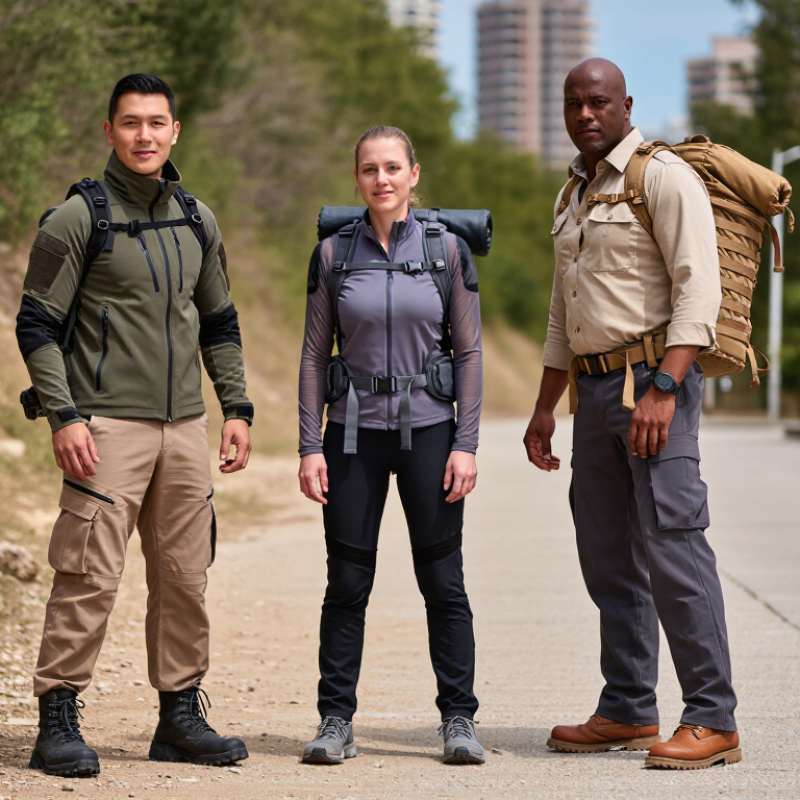
Tactical apparel is purpose-built clothing designed for movement, organization, and durability. It is not simply military-style fashion. The category is not perfectly defined. In practice, it includes reinforced trousers, utility shirts, weather layers, and load-supporting accessories. The Business Research Company’s Tactical Clothing Global Market Report 2024 estimated market growth from about US$1.8 billion in 2023 to US$1.9 billion in 2024. That growth reflects wider demand for practical performance clothing.
Its core features begin with fabric selection. Ripstop weaves can help limit tearing after minor damage. Stretch panels improve squatting, climbing, and seated movement. Reinforced knees and seat areas support repeated friction. Zippered pockets protect keys, tools, and small devices. Some designs include modular attachment areas, but these should not become decoration. Poorly placed hardware can snag or create pressure points. Comfort still matters.
Weather management is another defining feature. Breathable fabrics reduce trapped heat, while water-resistant finishes help during short showers. These finishes are not permanent waterproofing. Buyers should check testing claims against recognized standards, such as ISO 13688 for protective clothing requirements. Durability also needs evidence, not confident wording. Product inspections should examine stitching, seam stress, pocket access, and laundering results. Buyers choose tactical apparel because it offers visible function, yet function can be overstated. A quieter pocket or softer waistband may matter more than an aggressive appearance. Practical details win.
Key Materials and Construction Methods
What Is Tactical Apparel and Why Do Buyers Choose It?
Key Materials and Construction Methods
Tactical apparel uses practical materials for movement, weather changes, and repeated daily wear. Buyers often choose it for durability, organized storage, and dependable comfort. Common fabrics include ripstop nylon, polyester blends, and cotton-rich canvas. Ripstop grids help limit tearing when a small cut appears. However, no fabric solves every problem.
A useful garment balances abrasion resistance with breathability. Dense fabric protects high-contact areas, while ventilated panels release heat around the back and underarms. Water-resistant finishes can shed light rain, but they are not the same as waterproof membranes. Pocket placement also needs careful testing. A pocket should open smoothly without blocking movement or pressing into the body.
Construction details often decide whether clothing feels reliable. Reinforced stitching appears at belt loops, pocket corners, and seat seams. Bar-tacks add strength where fabric receives repeated pulling. Articulated knees and gusseted panels improve movement without making the garment excessively loose. Flat seams can reduce rubbing during long walks. Small details matter.
In practical wear tests, I look for loose threads, zipper snagging, and uneven tension after washing. Fit still matters. A strong garment can fail its purpose if sleeves restrict reaching or waist adjustments become uncomfortable. Some designs add too many compartments, increasing weight and visual clutter. That trade-off deserves honest review. Good tactical apparel should support real movement, not merely look technical.
Tactical apparel commonly combines durable fibers with construction methods such as ripstop grids, reinforced seams, bar-tacks, and articulated panels. The chart compares approximate typical fiber tenacity values, measured in grams per denier (g/d); higher values generally indicate greater tensile strength at the fiber level. Actual garment performance also depends on yarn size, fabric density, weave, coatings, and stitching.
Common Types and Functional Applications
Tactical apparel is designed for demanding movement, changing weather, and practical daily tasks. It combines durable fabrics, organized storage, and reinforced construction. Unlike ordinary clothing, it treats comfort and access as connected concerns. Fit matters. Poor sizing can restrict movement or create pressure under a loaded pack.
Common types include tactical shirts, utility pants, lightweight jackets, and weather-resistant outer layers. Shirts often use breathable panels and quick-drying fabric for warm conditions. Utility pants may include reinforced knees, tool pockets, and flexible waist sections. Jackets provide wind protection while preserving shoulder movement. Footwear usually emphasizes grip, ankle support, and long-wearing comfort on uneven ground.
These garments serve outdoor workers, maintenance teams, hikers, instructors, and emergency support personnel. A technician may use secure pockets for small tools during repeated climbs. A field worker may value abrasion resistance near rough surfaces. Reflective details can improve visibility around vehicles or low-light work areas. Soft fabric zones also reduce noise and skin irritation during long shifts. Real-world use exposes weaknesses quickly. Extra pockets can become uncomfortable when filled. Stiff fabric may protect well but feel restrictive after several hours. Buyers should compare climate, movement, washing needs, and task requirements before choosing a set. More features are not always better.
What Is Tactical Apparel and Why Do Buyers Choose It? - Common Types and Functional Applications
| Apparel Type | Typical Construction | Primary Functional Benefits | Common Applications | Why Buyers Choose It | Important Considerations |
|---|---|---|---|---|---|
| Tactical Shirts | Ripstop or blended fabric, reinforced elbows, sleeve pockets, adjustable cuffs, and ventilation panels. | Mobility, abrasion resistance, moisture management, and convenient storage. | Field work, patrol duties, outdoor maintenance, training, and hiking. | They provide a professional appearance while supporting movement and daily equipment access. | Heavy fabric and multiple pockets can increase weight and reduce breathability in hot weather. |
| Tactical Pants | Durable woven fabric, articulated knees, gusseted crotch, reinforced seat, and cargo or utility pockets. | Freedom of movement, load organization, kneeling comfort, and resistance to tearing. | Security work, construction, emergency response, outdoor operations, and range training. | They combine workwear durability with a fit designed for climbing, crouching, and extended wear. | Fit, pocket placement, fabric stretch, and compatibility with belts or protective equipment should be checked. |
| Combat or Field Uniforms | Coordinated shirt-and-trouser systems using durable textiles, reinforced zones, adjustable closures, and camouflage or solid colors. | System compatibility, concealment options, durability, and protection from environmental wear. | Military-style training, field exercises, outdoor instruction, and demanding utility work. | Buyers can coordinate multiple garments for consistent performance across changing conditions. | Color, pattern, local regulations, heat retention, and laundering requirements may affect suitability. |
| Tactical Jackets and Soft Shells | Wind-resistant outer fabric, water-repellent finish, adjustable hem and cuffs, and internal or chest pockets. | Weather protection, layering flexibility, wind resistance, and storage. | Patrols, camping, hiking, rescue support, travel, and outdoor work. | They offer a practical middle layer that protects against wind and light precipitation without the bulk of a heavy coat. | Water resistance is not the same as waterproofing; seam sealing and climate suitability matter. |
| Rain Shells and Hardshells | Waterproof or highly water-resistant laminate, coated fabric, storm flaps, hood adjustment, and sealed or protected openings. | Rain protection, wind blocking, packability, and improved comfort in wet conditions. | Search support, outdoor work, trekking, emergency preparedness, and wet-weather travel. | They help keep base layers dry during prolonged exposure to rain and wind. | Waterproof construction can reduce breathability; ventilation zippers and layering are useful. |
| Tactical Vests and Chest Rigs | Modular webbing, adjustable straps, load-bearing panels, and attachment points for compatible pouches. | Equipment organization, quick access, weight distribution, and modular configuration. | Training, photography, outdoor navigation, rescue preparation, and equipment-heavy field tasks. | Users can arrange essential items according to task requirements instead of relying only on garment pockets. | Incorrect adjustment or excessive loading can restrict movement and create pressure points. |
| Tactical Shorts | Lightweight durable fabric, reinforced seams, stretch panels, and utility pockets. | Ventilation, reduced weight, mobility, and everyday storage. | Warm-weather work, travel, hiking, training, and casual outdoor activities. | They retain practical pocketing and durable construction while improving comfort in hot conditions. | They provide less protection from insects, vegetation, sun exposure, and abrasion than full-length trousers. |
| Base Layers and Performance Underwear | Close-fitting synthetic or wool-blend knit, flat seams, stretch construction, and moisture-moving surfaces. | Moisture control, temperature regulation, reduced chafing, and layering comfort. | Cold-weather layering, endurance activities, field training, and long work shifts. | They help manage sweat next to the skin and improve comfort under heavier garments. | Fabric choice affects odor control, drying speed, warmth, and care requirements. |
| Tactical Gloves | Abrasion-resistant palm, flexible back, adjustable wrist closure, and optional impact-resistant panels. | Grip, hand protection, dexterity, and reduced exposure to rough surfaces. | Vehicle operation, climbing, maintenance, handling tasks, outdoor work, and training. | They balance protection with the ability to handle tools, fasteners, and small equipment. | Thicker protective materials may reduce touch sensitivity and dexterity. |
| Tactical Footwear | Structured upper, reinforced toe and heel, supportive midsole, slip-resistant outsole, and optional waterproof lining. | Traction, foot stability, impact cushioning, durability, and protection from uneven terrain. | Patrol work, hiking, emergency response, industrial tasks, and extended standing or walking. | Buyers seek dependable support and traction when footwear is exposed to varied surfaces and long wear periods. | Break-in time, sole flexibility, ventilation, waterproofing, and fit should match the intended environment. |
Why Buyers Choose Tactical Apparel
Buyers choose tactical apparel because it solves practical problems in ordinary settings. A reinforced pocket keeps a phone secure during a long commute. Stretch panels help when climbing stairs, carrying equipment, or working outdoors. Many buyers also value weather resistance, quiet fabric, and adjustable cuffs. These details reduce small daily frustrations.
The Outdoor Industry Association reported 175.8 million U.S. participants in outdoor recreation in 2023, a 4.1% increase from the previous year. This wider participation supports demand for adaptable clothing, including tactical-style garments. Grand View Research also identifies durability, utility, and growing outdoor activity as important market drivers. However, tactical clothing is not automatically comfortable. Heavy fabric can restrict movement, and extra pockets may add unwanted weight. Buyers often discover this after several hours of wear.
Professional users usually examine stitching, fabric recovery, pocket access, and seam performance before purchasing. Independent testing helps, but product claims still need context. Water resistance is not the same as waterproof protection. Abrasion resistance does not guarantee long-term comfort. A 2024 Textile Exchange report noted that recycled polyester represented about 14% of global fiber production, showing why material sourcing now influences purchasing decisions. Still, recycled content alone cannot prove quality. Buyers should compare construction, intended use, care requirements, and verified performance data. Fit matters more than marketing language. That part is easy to overlook.
Factors to Consider When Selecting Tactical Clothing
Tactical apparel is chosen for demanding work because it combines movement, storage, and protection. Buyers should begin with the task, not the appearance. A field technician may need reinforced knees and tool access. A security worker may prioritize quiet fabric and unrestricted movement. Fit matters. Sleeves should not ride up when reaching, and waistbands should stay stable while climbing or kneeling.
Fabric performance deserves careful testing. Check abrasion resistance, seam strength, drying time, and breathability.
The 2024 Textile Exchange Materials Market Report estimates global fiber production reached 124 million tonnes in 2023. This figure highlights a practical concern: material choice affects both performance and environmental pressure.
Recycled content can help, but it does not automatically mean longer service life. That assumption needs checking. A durable fabric that feels too heavy may reduce comfort during a full shift.
Weather protection also requires evidence. Water resistance, insulation, and ventilation should match the climate, rather than marketing language. Look for measurable test results and recognized safety standards when visibility, heat, or electrical hazards are involved. The U.S. Bureau of Labor Statistics reported that workers aged 55 and older represented 23.4% of the labor force in 2023. Adjustable closures and easy-care construction may therefore support a wider range of users. Test it. Wear the garment with actual equipment, sit, bend, and wash it repeatedly. That is where weak pockets, noisy fasteners, and poor sizing usually appear.