How to Source E Smart Cig Products Legally in 2026?
Sourcing E-Smart Cig products legally in 2026 requires more than comparing prices and choosing attractive packaging. Buyers must understand the rules in each destination market before contacting suppliers. Requirements may cover nicotine content, ingredients, battery safety, product registration, labeling, advertising, age verification, import duties, and recycling obligations. Regulations can change quickly. A compliant product today may need new documents tomorrow.
A reliable sourcing process begins with official government guidance and qualified legal advice. Ask suppliers for business licenses, factory details, laboratory reports, quality certifications, and traceable batch records. Check whether testing comes from an accredited laboratory. Request clear evidence, not polished claims. Small details matter, such as warning placement, charger specifications, carton markings, and the accuracy of translated instructions. Keep every document in an organized compliance file.
Supplier audits also deserve attention. A video tour is helpful, but it does not replace independent verification. Samples should be tested before any large purchase. Contracts should define product specifications, inspection rights, recall responsibilities, and changes to materials or manufacturing sites. Some practical decisions remain difficult. A low-cost supplier may offer incomplete records, while an established factory may require more time and money. That trade-off needs honest review. Compliance is not a one-time checkbox. It is an ongoing process involving research, testing, monitoring, and careful judgment. This guide explains the key steps for building a lawful, transparent, and defensible E-Smart Cig sourcing strategy in 2026.
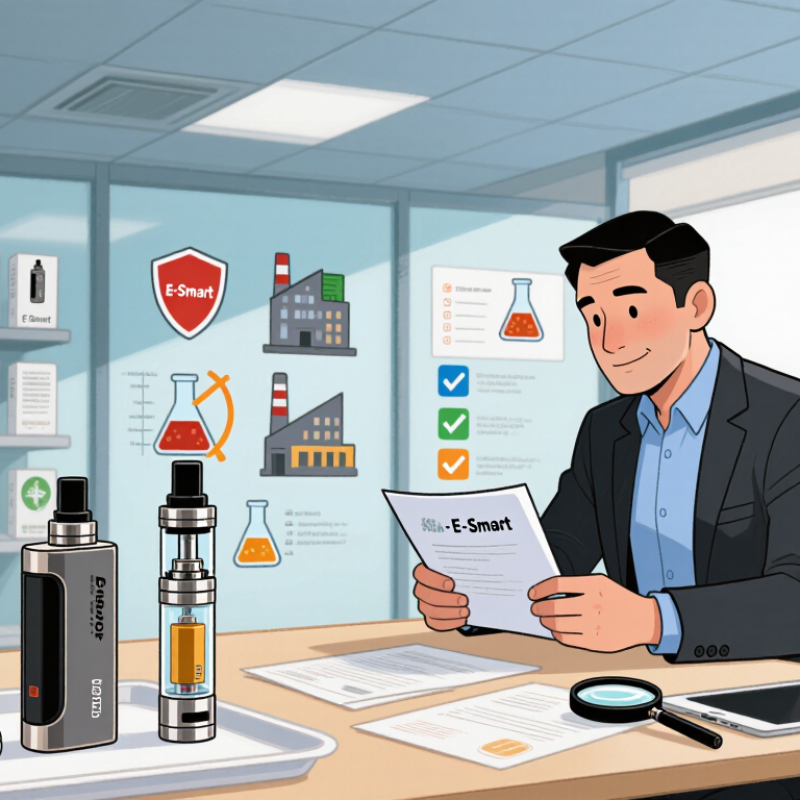
Define E-Smart Cig Products and Their Legal Classification
E-smart cig products are electronic inhalation devices with added digital functions. These may include puff sensors, temperature controls, charging indicators, or usage records. The term is commercial rather than universally defined. That matters.
In legal practice, classification usually depends on the product’s substance, design, intended use, and market. A device containing nicotine may fall under tobacco, nicotine, consumer health, or electronic product rules. A nicotine-free device can still face age limits, safety requirements, advertising controls, or import restrictions. Some jurisdictions regulate the device separately from its refill or cartridge. Others assess the complete product as one regulated item.
Before sourcing, request a written product specification, ingredient statement, laboratory test results, and battery safety documents. Check whether the product needs product notification, market authorization, excise registration, or local labeling. Packaging may require health warnings, nicotine information, batch details, child-resistant features, and responsible-use instructions. These details are easy to overlook.
A compliance review should compare the supplier’s documents with the destination market’s official rules. Do not rely only on a sales catalog or a general certificate. Rules can change during 2026, and one document may not prove full legality. I have found that product names often create confusion. The safest classification comes from the regulator’s wording, not the marketing description. When uncertainty remains, obtain advice from a qualified local compliance professional before placing an order.
Check 2026 Regulations in the Target Market
How to Source E Smart Cig Products Legally in 2026?
Check 2026 regulations in the target market before contacting suppliers. Rules differ sharply by country, state, and product category. In the United States, the Food and Drug Administration states that only authorized products may be legally marketed. In the European Union, the Tobacco Products Directive generally limits nicotine liquid to 20 mg/ml. Refill bottles are usually limited to 10 ml, while cartridges and tanks are limited to 2 ml. National updates may change these requirements in 2026.
Use official databases, not supplier promises. The 2024 National Youth Tobacco Survey reported about 1.63 million American middle and high school students currently used e-cigarettes. This figure explains why youth-access controls receive strict attention. WHO’s 2023 global tobacco report estimated 1.3 billion tobacco users worldwide in 2022, but that number does not grant automatic market access for electronic products. Treat each jurisdiction separately.
Request laboratory reports, ingredient lists, batch records, age-verification procedures, and packaging samples. Check whether the product needs premarket authorization, notification, registration, or excise-tax approval. Keep certificates linked to exact model numbers and production batches. My checklist is not perfect. Regulations can change faster than catalogues. A local compliance lawyer or authorized testing laboratory should review the final file before purchase orders, shipping, or online listings. Never rely on a translated supplier certificate alone. Verify the issuing authority and validity date.
Verify Supplier Licenses, Product Standards, and Documentation
How to Source E Smart Cig Products Legally in 2026?
Legal sourcing begins with supplier verification, not price comparison. Ask for a current business license and a permit covering the exact product category. Confirm the license through an official government database where possible. A scanned certificate alone is weak evidence. Check its number, holder, address, issue date, and expiration date. Also confirm that the supplier may sell products in your target market.
Product standards need equal attention. Request independent laboratory reports for materials, electrical safety, battery performance, emissions, and restricted substances. Reports should identify the tested model, production batch, laboratory, and test date. Compare the report with the actual sample. Small design changes can invalidate old results. They often do. Review packaging, age warnings, instructions, and language requirements before placing an order. Rules differ between countries and may change during 2026.
Documentation should remain traceable from factory to warehouse. Keep purchase contracts, invoices, batch records, shipping papers, certificates, and quality inspections in one controlled file. A supplier should explain its recall process and provide a responsible compliance contact. If answers arrive late or documents contain mismatched names, pause the transaction. I have seen paperwork look complete while missing a crucial market authorization. That is an easy mistake to make. For higher-risk purchases, use an independent compliance professional and obtain written confirmation before importing or selling products.
Review Import, Tax, Labeling, and Packaging Requirements
How to Source E Smart Cig Products Legally in 2026?
Legal sourcing begins with the destination market, not the supplier’s catalog. Check import permits, product classifications, customs codes, and national sales restrictions. Requirements can differ between federal, regional, and municipal authorities. Confirm these details in official databases before placing a purchase order. A written compliance opinion from qualified local counsel can prevent expensive mistakes.
Tax planning needs equal attention. Calculate customs duty, import VAT, excise tax, brokerage fees, and warehouse charges. Ask suppliers for complete commercial invoices and accurate product descriptions. Keep purchase orders, certificates, test reports, and shipping records together. Documentation matters. Tax rates may change during a shipment’s journey, so confirm them close to dispatch.
Labels should show required warnings, ingredients, nicotine information where applicable, batch details, manufacturer data, and local-language instructions. Packaging must resist leakage, protect components, and meet child-safety rules where required. Avoid medical claims unless regulators expressly permit them. Review artwork before printing thousands of units. A practical weakness remains: supplier documents may look complete but contain outdated standards. Independent laboratory testing and a small pilot shipment provide stronger evidence. No checklist is perfect. Recheck every market before renewal.
Build a Compliant Purchasing and Record-Keeping Process
How to Source E Smart Cig Products Legally in 2026?
Build a Compliant Purchasing and Record-Keeping Process
Legal sourcing begins with jurisdictional research, not a supplier’s sales pitch. Rules may differ between countries, states, and municipalities. Confirm product authorization, packaging requirements, ingredient restrictions, tax obligations, and permitted sales channels before placing an order. Ask suppliers for current business registration, compliance documents, laboratory reports, and traceable batch information. Do not accept unclear files.
Use a written purchasing checklist for every shipment. Record the supplier’s legal name, invoice number, product description, batch code, quantity, price, delivery date, and destination. Keep copies of certificates and import documents where required. A simple digital folder can work, but access should be limited and changes should be logged. Store records for the period required by local authorities.
Age controls must operate before sales, not after complaints. Train staff to check valid identification and refuse uncertain transactions. Keep training dates, policy versions, and incident notes. Track customer complaints, damaged units, withdrawals, and corrective actions. This creates a useful audit trail.
Our first spreadsheet was too simple. It tracked quantities but missed batch codes. That mistake was avoidable. Review the process quarterly, test a sample record, and ask an independent compliance professional to challenge weak points. Requirements change. So should the system.
How to Source E-Cigarette Products Legally in 2026
Minimum legal purchase age in selected markets
Use the applicable legal-age threshold as one checkpoint in your purchasing workflow. Before placing an order, verify supplier authorization, product-market authorization, tax and import documentation, age-verification controls, invoices, batch details, and delivery records. Local or regional rules may be stricter than the national baseline shown here.
Reference basis: U.S. federal minimum tobacco sales age: 21; Canada federal minimum: 18; United Kingdom, Germany, and France: 18. Confirm current local requirements with the relevant regulator before purchasing.