How to Properly Dispose of Lithium Batteries Safely?
Lithium Batteries play a crucial role in powering our everyday devices. The demand for these batteries has surged, driven by the rise of electric vehicles and renewable energy solutions. According to a report by McKinsey, the global lithium-ion battery market is projected to exceed $100 billion by 2025. However, the improper disposal of lithium batteries poses significant environmental risks.
Many consumers remain unaware of the hazards associated with discarded lithium batteries. These batteries can leak toxic materials, contaminating soil and waterways. In fact, the Environmental Protection Agency (EPA) has identified lithium batteries as a substantial risk because they can cause fires in landfills. It is essential to educate the public about the proper disposal methods for lithium batteries to mitigate these dangers.
Unfortunately, many people still toss batteries into the trash. This behavior needs to change. Reflections on our choices show that awareness is vital. Communities must establish clear guidelines for safe disposal and recycling. Ensuring that lithium batteries are handled correctly can protect our environment now and for future generations. The time to act is now.
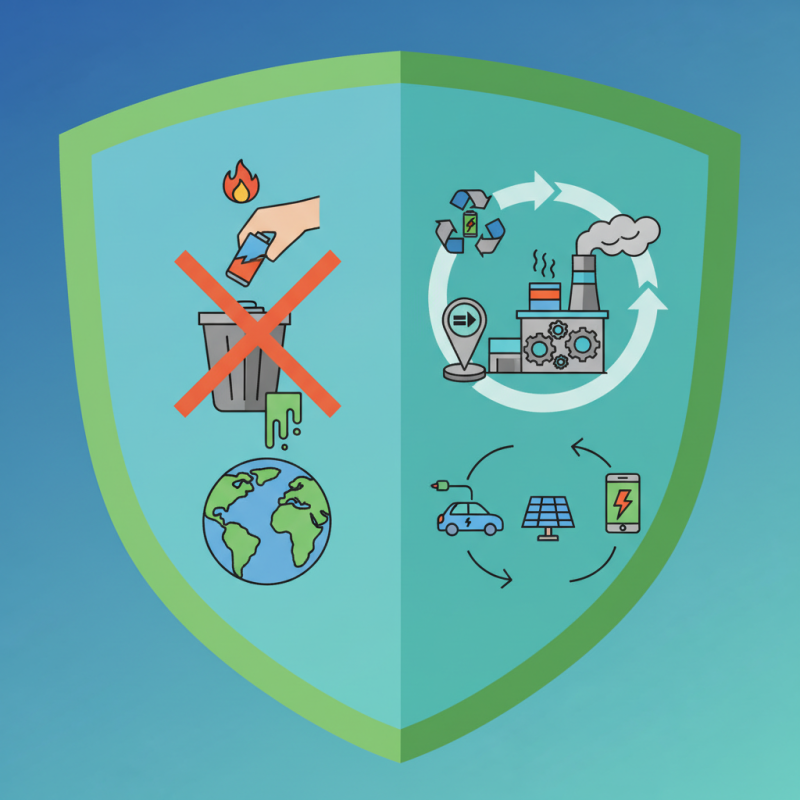
Understanding the Environmental Impact of Improper Lithium Battery Disposal
Improper disposal of lithium batteries can lead to significant environmental damage. These batteries contain toxic materials which can leak into soil and water. This pollution poses risks to plants, animals, and humans alike. Even small amounts of these substances can impact ecosystems, harming wildlife and contaminating drinking water sources.
Many people are unaware of the dangers. They often discard batteries in regular trash. This common mistake can result in fires at landfills, releasing harmful gases into the air. Responsible disposal methods, such as recycling, are essential. Yet, access to proper disposal facilities is limited in some areas. This makes it challenging for individuals to act responsibly.
Education is crucial for change. Communities need clear information about battery disposal. Workshops and local campaigns could raise awareness. Just a few people learning to recycle can influence others. We must reflect on our habits and make necessary adjustments. Our planet's health depends on our choices today.
Environmental Impact of Improper Lithium Battery Disposal
Identifying Safe Disposal Locations for Lithium Batteries
When it comes to disposing of lithium batteries, choosing the right location is crucial. Many people are unaware that throwing them in the trash can be harmful to the environment. Look for recycling programs in your area. They often accept used batteries. You might be surprised by how many places participate in these programs.
**Tips:** Check your local waste management website. They often provide details on where to recycle batteries. Some stores even have designated drop-off bins. If you're not sure, ask someone.
Public libraries and community centers sometimes have collection events. These can be a great opportunity to dispose of batteries safely. However, not every event is widely advertised. So, keep an eye on local community boards or newsletters for updates.
Remember, some batteries may still hold a charge. It’s wise to tape the terminals. Use electrical tape or similar to prevent short circuits. These precautions matter. Ultimately, it’s our responsibility to ensure waste is disposed of properly.
How to Properly Dispose of Lithium Batteries Safely? - Identifying Safe Disposal Locations for Lithium Batteries
| Location Type | Description | Contact Information |
| Local Recycling Center | Most municipalities have designated recycling centers that accept lithium batteries for safe disposal. | Call your local waste management authority for more information. |
| Retail Collection Points | Many electronics and hardware stores provide drop-off bins for recycling lithium batteries. | Check with local stores for availability. |
| Municipal Drop-off Events | Cities often host special recycling events where residents can safely dispose of hazardous waste, including batteries. | Visit your city's official website for event schedules. |
| Battery Recycling Programs | Various organizations run dedicated programs to collect and recycle batteries. | Search online for battery recycling programs in your area. |
| Household Hazardous Waste (HHW) Facilities | These facilities are designed to handle various types of hazardous household waste, including lithium batteries. | Contact your local health department to find HHW facilities near you. |
Step-by-Step Guide to Preparing Batteries for Recycling
Properly disposing of lithium batteries is essential for environmental safety. start by checking local recycling facilities. Most regions have guidelines for battery disposal. Mishandling can lead to harmful leaks and fires. According to the Environmental Protection Agency, over 3 million tons of batteries are discarded each year in the U.S. alone. Only a fraction are recycled properly.
Preparing batteries for recycling requires careful attention. First, ensure they are drained. Contact your local recycling center for specifics. Many facilities recommend placing battery terminals in tape. This prevents short circuits during transportation. Keep batteries in their original packaging if possible. This helps in identification and protection. Remember, not all batteries are suitable for curbside collection. Familiarize yourself with local regulations to avoid confusion.
Often, people overlook these steps. It can seem tedious. However, neglecting proper procedures can lead to significant environmental harm. Data shows that improper disposal contributes to thousands of tons of wasted resources. Taking the time to prepare batteries for recycling can make a noticeable difference. Small effort can lead to substantial benefits for the planet.
Best Practices for Storing Lithium Batteries Before Disposal
Storing lithium batteries properly before disposal is crucial. Keep them in a cool, dry place. Extreme temperatures can cause risks. Avoid leaving them in hot cars or humid basements. Place batteries in their original packaging, if available. This reduces the chance of accidental discharge.
Use a sturdy container for storage. A non-conductive box works well. It should be clearly labeled as containing batteries. If a battery looks damaged, handle it with care. Consider using tape to cover terminals. This helps prevent shorts and sparks.
Regularly check the condition of your stored batteries. Replace any that show signs of wear. Batteries can deteriorate over time. Being proactive is key to safety. Sometimes, people forget about them in storage. Don’t let that happen to you. You may need to create a reminder. Setting a date for regular checks can help.
Alternatives to Recycling: Reuse and Repurposing Options for Old Batteries
When it comes to old lithium batteries, consider more than just recycling. Reuse and repurpose can be great alternatives that extend their life. For example, an old battery can power a DIY project. Think about converting it into a backup power supply for small devices. This not only saves resources but also prolongs its usefulness.
Tips: Before repurposing, ensure the battery is still functional. Test it with a compatible device. Inspect for any damage or leaks. Don’t attempt to reuse batteries that are swollen or corroded. Safety should always come first.
You can also use old batteries to create fun art projects. Art enthusiasts have transformed them into unique sculptures or wall art. This approach embraces creativity while promoting sustainability. Just remember to handle the batteries carefully during the process. Understand the limitations and risks involved; your project should be enjoyable, not hazardous. Be mindful of how you dispose of leftover materials too.