How to Identify and Use Muscovite Mica in Your Projects?
muscovite mica is a versatile and widely used mineral in various industries. Its unique properties contribute to high demand. Reports indicate that the global mica market is expected to grow steadily, reaching over $700 million by 2026. The rise of green technologies has also increased interest in muscovite mica applications.
In projects ranging from cosmetics to electronics, muscovite mica plays a crucial role. Its excellent thermal resistance and versatility make it an ideal choice for many applications. However, sourcing quality muscovite mica can be challenging. Not all mica is the same, and impurities can affect performance. This creates a need for careful selection in project planning.
While muscovite mica offers many benefits, it is vital to understand its characteristics to utilize it effectively. With ongoing studies and market analysis, professionals must remain informed. Balancing its benefits with an awareness of sourcing issues is crucial for successful implementation in any project.
Understanding Muscovite Mica: Properties and Characteristics
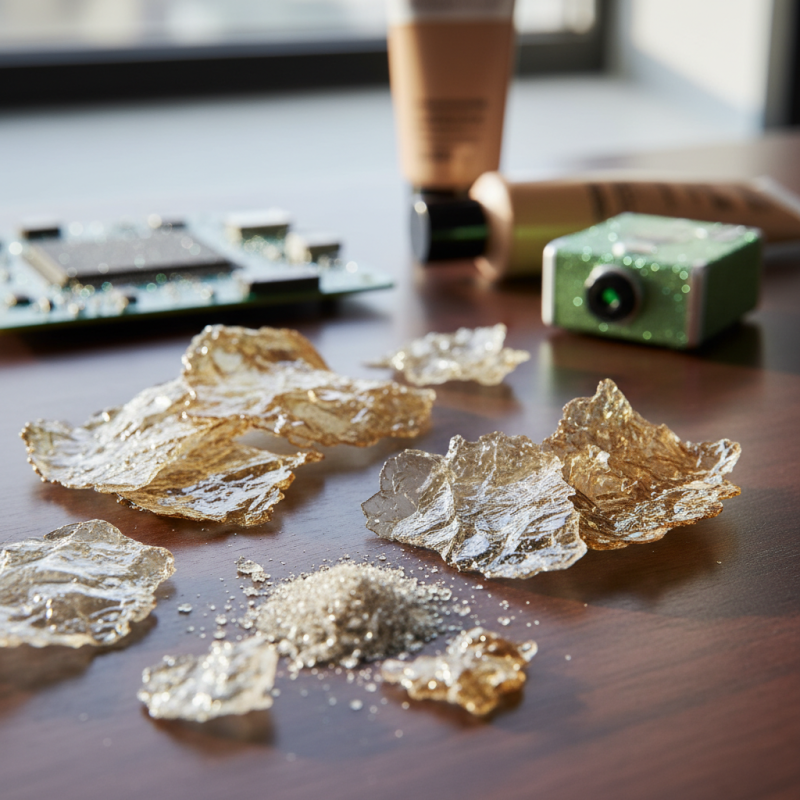
Muscovite mica is a fascinating mineral known for its unique properties. It typically appears as thin, flaky sheets. These sheets are transparent to translucent, offering an elegant shimmer. Muscovite is lightweight, making it suitable for various applications. In construction, it is often used in insulation materials. Its heat resistance is vital for protecting electronic components.
In artistic projects, muscovite can enhance visual appeal. The mineral’s layered structure allows it to reflect light beautifully. However, it can be challenging to work with. Craftsmen might struggle to cut it precisely. It can break unpredictably, adding frustration. Despite this, the beauty it brings can justify the extra effort required.
The softness of muscovite can be both an advantage and a drawback. While easy to manipulate, this characteristic requires careful handling. Using it in art means respecting its fragility. Sometimes, imperfect pieces can lead to unexpected charm. Embracing these imperfections can create a unique aesthetic in projects. Understanding muscovite mica's complexities will help you utilize its full potential.
How to Identify and Use Muscovite Mica in Your Projects?
| Property | Description | Uses | Safety |
| Layered Structure | Muscovite has a shiny, layered appearance, allowing sheets to be easily separated. | Used in electrical insulators and as a filler in various products. | Generally safe; however, long-term inhalation of dust should be avoided. |
| High Thermal Resistance | Can withstand high temperatures without degrading. | Ideal for use in high-temperature applications such as ceramics. | Heat-resistant but can release silica dust in processing. |
| Electrical Insulator | Muscovite is an excellent electrical insulator. | Commonly used in the electrical and electronics industries. | Handle with care to avoid dust generation. |
| Mica Powder | Finely ground muscovite used in various applications. | Used in cosmetics, paints, and plastics for a shimmering effect. | Generally regarded as safe; adhere to cosmetic regulations. |
Identifying Muscovite Mica in Geological Samples
Identifying muscovite mica in geological samples can be rewarding yet challenging. This mineral often appears in thin, flaky layers, making it distinctive. The color is usually a light shade, ranging from silvery to brownish. A careful examination under a microscope can reveal its transparent to translucent quality. You might notice a glassy luster, which is another telltale sign.
It's important to differentiate muscovite from other mica types. Some might look similar but differ in composition. Tools like a hand lens can help here. Focus on the cleavage; muscovite cleaves perfectly, splitting into thin sheets. Using a streak test can also provide clues, although it may not be definitive. Sometimes, samples can be misleading, showing features that challenge your initial assessment.
Fieldwork often leads to ambiguous results. You may encounter rock formations where muscovite is intermingled with other minerals. Patience is key in such cases. Relying solely on visual cues can lead to errors. If you collect samples for further study, ensure they are properly labeled and documented. This will help trace back any uncertainties later on. Engage with others in your field for insights; sometimes, a fresh perspective can clarify doubts.
Common Uses of Muscovite Mica in Various Applications
Muscovite mica is a versatile mineral with a variety of applications. It is often used in cosmetics, serving as a natural glitter in eyeshadows and highlighters. This mineral enhances the product's texture and shine, making it a favorite among makeup artists. However, sourcing high-quality muscovite can be tricky. Not all mica is created equal, and it’s essential to verify its origin and purity.
In construction, muscovite plays a vital role as an insulating material. It is used in electrical devices due to its excellent dielectric properties. Builders appreciate its ability to withstand high temperatures. Yet, the mining practices for mica can raise ethical concerns. Many workers face unsafe conditions, and this aspect requires careful consideration when selecting suppliers.
Muscovite also finds a place in ceramics and paints. Its reflective qualities enhance the finish of products, providing a lustrous look. Experimenting with muscovite in various mediums can lead to unique results. However, it's crucial to keep in mind the environmentally friendly practices during its use. The exploration of muscovite in creative projects can truly spark innovation, but ethical sourcing remains a challenge that demands reflection.
Techniques for Safely Working with Muscovite Mica
When working with Muscovite mica, safety should always be a priority. This mineral is generally non-toxic, but fine dust can be irritating if inhaled. Therefore, using a mask is a smart choice. It helps reduce the risk of respiratory issues while you work with this material.
Additionally, ensure good ventilation in your workspace. Open windows or use exhaust fans to keep the air fresh.
Handling Muscovite mica requires care. Use gloves to protect your skin from sharp edges. Even though it’s a soft mineral, splinters can occur. It is wise to have a first-aid kit nearby. If an accident happens, quick access to supplies can make a difference. When cutting or shaping the mica, go slowly. Rushed work leads to mistakes that may waste material or create hazards.
Cleaning up after projects is essential. Wet a cloth to gather dust without raising more particles. This method is effective and keeps your area tidy. Reflect on your work methods. Were they efficient? Did you prioritize safety? Each project can teach a lesson, reminding you to improve continually.
Mica work can be gratifying, but it requires a thoughtful approach.
Best Practices for Incorporating Muscovite Mica in Projects
When incorporating Muscovite mica into your projects, understanding its unique properties is essential. This mineral is known for its shimmering appearance and lightweight structure. It's perfect for adding texture and elegance to various applications. You can use it in crafts, art projects, or even cosmetic formulations. However, always consider the desired effect and medium before adding it.
Tips: Start with small amounts. It's easy to overload your project with mica. A little shimmer goes a long way. If you're unsure, test a small batch before committing to larger applications. Sometimes, less is more.
Pay attention to the binder or medium you are using. Mica can behave differently in paint, resin, or glue. Each combination creates a different visual effect. Mixing it improperly can lead to streaks or uneven distribution. Take time to experiment and find the right blend for your needs.
Tips: Keep a journal of your mixtures. Document what works and what doesn't. This practice will help you refine your approach over time, ensuring better results with each project. Reflecting on your experiments brings valuable insights for future work.