

How to Choose Insulated Combination Pliers?

Choosing Insulated Combination Pliers is about more than selecting a familiar shape. The right pair should fit the work, your hand, and the electrical safety requirements of the task. Look closely at the voltage rating and safety markings on the tool, and confirm they suit the intended application. Markings are not decoration. They are essential information.

Then inspect the details you will feel in use. Jaws should meet evenly, with gripping surfaces suited to holding wire and small components. The pivot should move smoothly without looseness, while the handles should offer a steady, comfortable grip. If possible, hold the pliers before buying; a bulky handle can make repeated cuts tiring, even when the tool looks sturdy. Small details matter. There is no perfect pair for every hand or job, and product descriptions do not always reveal how a tool behaves after hours of use.

This guide explains how to compare jaw design, handle comfort, build quality, and safety ratings without relying on appearance alone. It also covers basic inspection and care, since damaged insulation or a loose joint can change a tool’s suitability. Never assume insulated pliers make energized work safe. Follow the equipment instructions and workplace procedures, and have qualified personnel de-energize and verify circuits when required. That matters. A careful choice helps, but it cannot replace safe work practices.
How to Choose Insulated Combination Pliers?

Understand the Purpose and Design of Insulated Combination Pliers

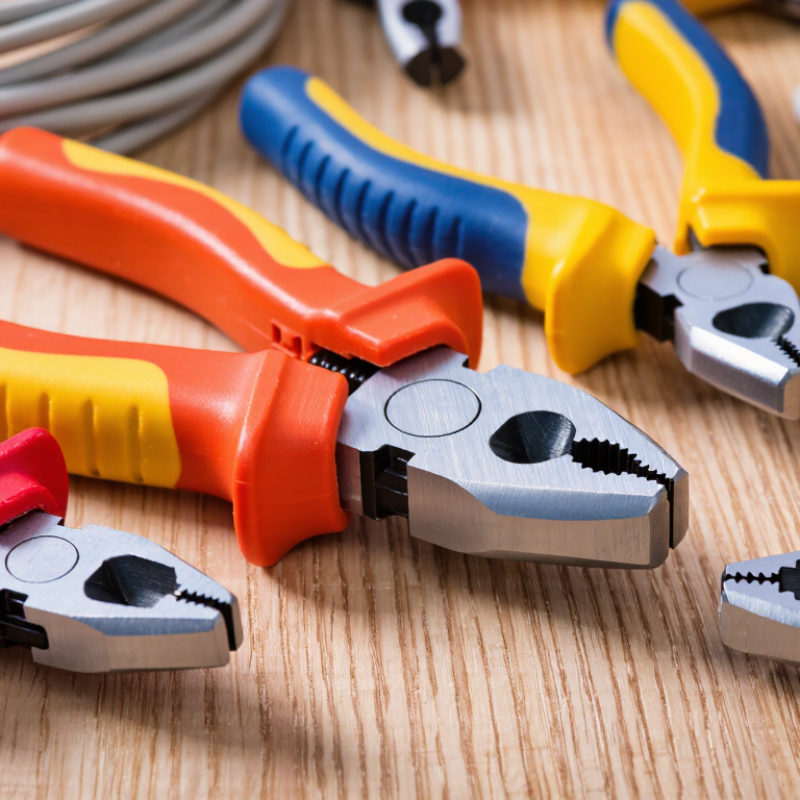
Insulated combination pliers combine gripping, bending, and cutting functions in one hand tool. Their jaws hold wire or small components, while the cutting edges near the pivot trim suitable conductors. The handles have an insulating covering and raised guards that help reduce accidental hand contact with metal parts. These features serve different purposes: the jaws do the work, and the insulation is a protective barrier. It is not a reason to handle energized equipment casually.

Tips: Check the voltage rating and markings before use. Inspect the insulation for cuts, cracks, or loose areas, especially near the guards. Keep the jaws clean and aligned. If the tool is damaged or its rating is unclear, set it aside. A quick glance can miss a tiny split.

Choose a size that fits the work and feels secure in your hand. Pliers that are too large may slip on small wires; undersized jaws can make gripping awkward. Combination pliers are not a substitute for a wrench, and their cutting edges are meant for specified materials, not every cable or hard wire. Even well-designed insulation can wear down. De-energize circuits and verify they are safe before work, following appropriate procedures and equipment instructions.

Define the Electrical and Mechanical Requirements for Your Work

Before choosing insulated combination pliers, define the electrical conditions they may encounter. Check the marked voltage rating and confirm the tool is certified to a recognized insulated-tool standard, such as IEC 60900. Insulation is a backup, not permission to work on energized equipment. De-energize circuits when possible, then verify the absence of voltage with suitable test equipment.

Small details matter. Look closely at the handles for cuts, cracks, contamination, or loose insulation. A damaged tool should be removed from service, even if the defect seems minor.

Next, match the pliers to the mechanical work. Consider wire size, cutting frequency, jaw access, and the force needed for gripping or twisting. If the task involves tight spaces inside a cabinet, a compact head may help; frequent cutting may call for suitable cutting edges and comfortable leverage. Check that the jaws meet evenly and the handles open smoothly.

Try the grip with gloves you actually wear. It is easy to overestimate comfort in a store or workshop. Do not use combination pliers as a substitute for a wrench, and avoid forcing them beyond their intended capacity.

The right choice balances electrical rating, reach, and control.

Verify Voltage Ratings and Insulation Safety Standards

A voltage marking is not decoration; it defines the tool’s tested operating limit. IEC 60900:2018 covers insulated hand tools for live working up to 1,000 V AC and 1,500 V DC. These figures describe the standard’s scope, not permission to work on energized equipment. Match the pliers’ rating to the task, your workplace procedures, and the system voltage. Never guess.

Look for a clear voltage mark and evidence that the tool conforms to IEC 60900 or ASTM F1505. Check the insulation for cuts, cracks, swelling, or exposed metal near the jaws. A tiny split beside the hinge can be easy to miss. Keep the handles clean and dry, and remove damaged pliers from service; tape is not a repair. The standard’s rating cannot protect against worn insulation or incorrect use. This check is easy to rush, and judgment can slip when the tool looks nearly new. Read the marking again before use, and follow the manufacturer’s inspection guidance.

How to Choose Insulated Combination Pliers? — Verify Voltage Ratings and Insulation Safety Standards

IEC 60900 insulated tools are rated for use up to 1,000 V AC or 1,500 V DC. These are separate AC and DC ratings, not interchangeable values. Check the tool’s markings and condition, and follow the applicable safety procedures for the work.

Compare Jaw Design, Materials, Grip, and Overall Durability

How to Choose Insulated Combination Pliers?

Compare the jaw shape before looking at the handle color or finish. Combination pliers should grip round wire securely and hold flat material without rocking. Check that the serrated area meets evenly when the jaws close. A small gap can make fine work frustrating. Feel the difference. Smooth movement at the pivot matters, too; stiff or loose joints may signal uneven control.

Choose jaws made from sturdy, heat-treated steel, with a pivot that stays aligned under repeated use. The insulation should cover the handles continuously and show a clear voltage rating. Look closely near the handle ends and guard stops, where cracks or thin spots can be easy to miss. Never use pliers with damaged insulation, and follow the tool’s rating and inspection instructions. Insulated handles reduce risk, but they do not make energized work automatically safe.

Grip is personal, so hold the pliers as you would during a real task. The handles should resist slipping without digging into your palm. Try a controlled squeeze; excessive force should not be needed to cut or hold typical wire. Small details matter. A bulky grip may feel secure at first, yet tire the hand during repeated work. Durability also depends on cleaning, storage, and avoiding uses the tool was not designed for. Even a solid pair needs regular inspection.

Inspect, Maintain, and Replace Pliers for Continued Safety

How to Choose Insulated Combination Pliers?

Choosing insulated combination pliers is only part of working safely. Check the tool’s voltage rating and markings against the task, and follow the manufacturer’s instructions. The handles should feel secure, with no cracks, cuts, bubbles, or exposed metal. Open and close the jaws; the pivot should move smoothly without excessive looseness. A quick glance can feel reassuring, but it may miss small damage.

Inspect the pliers before each use, especially after a drop or heavy pressure. Look closely near the handle ends and around the joint, where wear can be easy to miss. Keep the tool clean and dry, and store it away from sharp edges and heat. Do not use damaged pliers, or rely on tape or an improvised repair to restore insulation. If the coating is compromised, replace the tool.

Tips: Wipe the handles with a soft cloth and use only cleaning methods the manufacturer permits. Put questionable pliers aside for proper assessment. When their history is unclear, replacement may be the safer choice. Insulated handles are not a substitute for isolating equipment and verifying it is de-energized. Safety checks take a little time.