What Is Clay Litter and Which Type Is Best?
Cat litter seems like a small purchase. Then the dust settles on the shelf, the tracking reaches the hallway, and the box needs cleaning again. Clay Litter remains a familiar choice because it is widely available in clumping and non-clumping forms. But “best” depends on the cat, the household, and what owners can maintain consistently.
The American Pet Products Association’s 2023–2024 National Pet Owners Survey estimated that 46.5 million U.S. households owned cats. Its 2024 State of the Industry report also put U.S. pet-industry spending at $147 billion in 2023. These figures do not measure litter sales directly. They do show why practical, informed pet-care choices matter to many households. A useful comparison should look beyond price: consider absorbency, odor control, dust, tracking, and how readily a cat accepts a change.
There are trade-offs. Clumping clay can make daily scooping straightforward, while non-clumping clay may suit owners seeking a different routine. Some products are dusty; some cats reject scented formulas. Veterinary guidance, including advice from Cornell Feline Health Center, emphasizes that individual cats can have clear litter preferences. Watch the box, not just the label. No single type wins every home. This guide explains what clay litter is, how its main varieties differ, and which factors can help you choose. One caveat remains: product claims and real-world results do not always match perfectly.
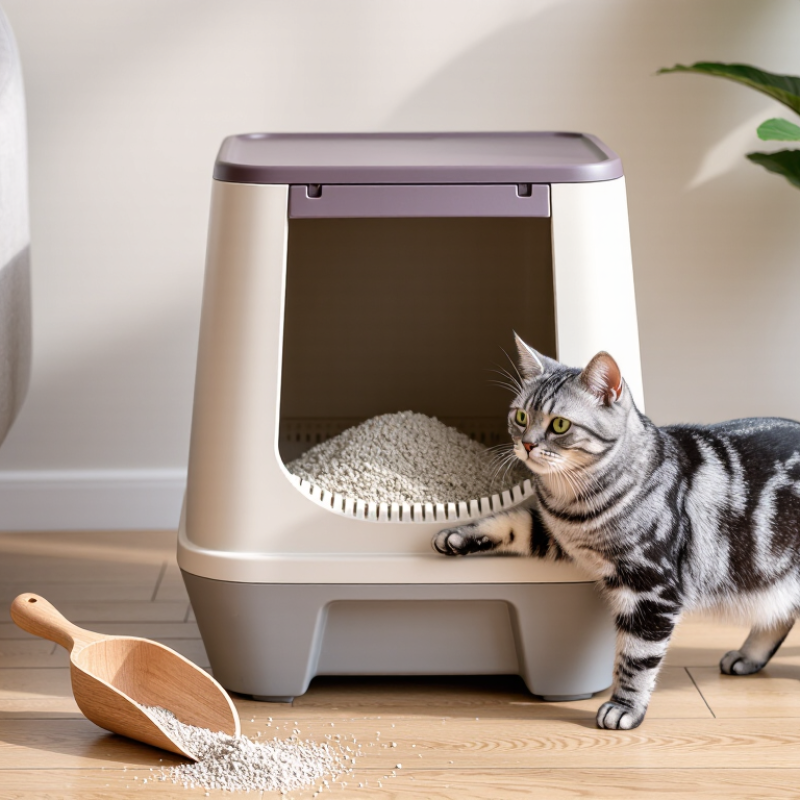
What Clay Cat Litter Is and How It Works
Clay cat litter is made from natural clay minerals that absorb moisture. The most familiar kind is clumping litter, often made with bentonite clay. When urine reaches it, the clay absorbs liquid and swells, binding nearby particles into a firm lump. That lump can usually be scooped out, leaving much of the tray clean.
It is not magic. Odor control depends on removing waste regularly, not just covering smells with fragrance. Non-clumping clay also absorbs urine, but it generally stays loose, so more of the litter may need replacing over time. A practical test is to check the tray’s base: lingering dampness or a sharp smell can mean the litter needs attention. Dust varies between products and batches, and a dusty pour can bother sensitive cats or people.
Use a clean, dry tray and follow the litter’s depth guidance; too little may let urine reach the bottom. Scoop clumps and solid waste daily when possible. Small detail, big difference. Cats can be particular, so watch whether yours digs, covers waste, or avoids the tray. I would not assume one texture suits every cat. If coughing or litter-box avoidance appears, consider dust, scent, tray cleanliness, and possible health concerns, and seek veterinary advice when symptoms persist.
How Clay Litter Is Made and What It Contains
Clay litter is made from absorbent minerals dug from natural clay deposits. Manufacturers dry the material, crush it, and screen it into grains of different sizes. Some products are treated to reduce dust, though a little dust may remain. That matters. Fine particles can cling to paws and settle around the litter tray.
Many clumping litters contain sodium bentonite, a clay that swells and binds when it gets wet. Non-clumping options may use other absorbent clays, such as attapulgite. The exact mix varies. Some litters also include odor-control ingredients or added fragrance, so check the package if your cat is sensitive to scents. A scented product can smell pleasant to people but still bother a cat. Mineral sources and processing also differ, so “clay litter” does not describe one identical material.
Tips: Pour slowly to limit airborne dust, and keep the tray in a well-ventilated spot. Scoop clumps regularly and watch whether your cat avoids the box or sneezes nearby. Those signs are not proof of a litter problem, but they are worth noticing.
Clumping and Non-Clumping Clay Litter Compared
Clumping clay litter typically contains absorbent clay that forms scoopable masses when wet. A daily scoop can remove urine and stool while leaving much of the dry litter in the tray. That is convenient. But clumps may crumble if the litter is too shallow or scooped too soon, leaving damp bits behind. Those remnants matter. A sturdy scoop and adequate litter depth help, though the right depth depends on the product and cat.
Non-clumping clay absorbs moisture without forming removable clumps. Wet areas remain mixed into the litter, so the full tray usually needs replacing more often. Some owners find this routine less convenient, while others prefer its simpler texture or lower tracking. Preference varies. Either type can create dust or leave granules on the floor; watch for sneezing, paw irritation, and where particles collect. No litter is dust-free. I might lean toward clumping for spot-cleaning, but that preference can overlook cats that dislike its feel. Compare cleaning time, waste, odor, and whether your cat consistently uses the box. A clean-looking surface does not always mean the litter underneath is dry.
Key Factors for Choosing a Clay Litter
Clay litter is usually made from bentonite or other absorbent clay. The right choice depends less on a “best” label than on your cat and home. Clumping litter forms scoops around urine, making daily cleaning easier, but some formulas create more dust. Non-clumping clay may suit owners who prefer a simpler option, though wet areas can call for more frequent full changes. Check product details for dust levels and fragrance. Strong perfume may cover odors for people but bother a sensitive cat. That matters.
Compare granule size, tracking, and how easily your cat steps into the box. Fine grains can feel soft under paws, yet they may scatter onto nearby floors. Larger granules often track less, though some cats dislike the texture. Watch the paws. In a multi-cat home, odor control and how often you can scoop become practical factors. Remove waste daily and follow the package guidance for litter depth and replacement. Change types gradually; a sudden switch may lead a cat to avoid the box. If dust or litter-box habits raise concern, ask a veterinarian. No type wins everywhere.
What Is Clay Litter and Which Type Is Best?
Clay litter is made from absorbent clay minerals. Clumping and non-clumping clay litter differ in how they respond to moisture.
How to read the chart: 1 means the litter is designed to form scoopable clumps when wet; 0 means it does not form scoopable clumps as its intended behavior. Dust and tracking vary by product, so check those factors on the specific litter you are considering.
Which Clay Litter Type Best Fits Different Needs?
Clumping clay litter works well for many busy households. It forms scoopable clumps, so owners can remove urine without replacing the whole tray each day. Multi-cat homes may find this convenient. The trade-off is weight: a full bag can be awkward to carry, and some formulas create dust or track onto floors. A low-dust option may suit sensitive households, though no litter is completely dust-free.
Non-clumping clay absorbs moisture but does not form firm clumps. It can be a practical choice for a single cat if the tray is cleaned and refreshed often. For very young kittens that may taste litter, ask a veterinarian which type is appropriate; avoid assuming any litter is safe to eat. Cats with respiratory sensitivity may also need a carefully chosen, low-dust alternative. Watch how your cat responds. Preferences can be surprisingly specific.
Tips: Pour a shallow, even layer and scoop daily. Keep the tray in a quiet, ventilated spot. If your cat hesitates, paws at the litter, or starts avoiding the tray, change one feature at a time. Dust on the rim is a useful clue, but not a diagnosis.