

How to Choose the Best Spice Perfume for Your Brand?
Choosing the best Spice Perfume for your brand requires more than liking cinnamon, saffron, or clove. It requires evidence, testing, and a clear understanding of your customer. Grand View Research valued the global fragrance market at approximately USD 50.85 billion in 2023. It also forecasts a 6.1% compound annual growth rate from 2024 to 2030. This momentum creates opportunity, but it also increases competition. A memorable scent must earn attention within seconds.
Natural perfumer Mandy Aftel describes perfume as “liquid emotion.” Her observation explains why spice notes can feel powerful. Cardamom may suggest freshness, while cinnamon can create warmth and familiarity. Saffron may add a dry, luxurious impression. Still, the same note can smell inviting on one skin and medicinal on another. That assumption can fail. Testing matters.
A reliable selection process should examine concentration, ingredient quality, seasonal performance, and product compatibility. Review IFRA Standards before commercial development. Consider the fragrance’s behavior in candles, body products, packaging, and retail environments. Circana reported strong growth in prestige fragrance sales in the United States during 2023, showing that consumers still invest in expressive scents. Yet market growth does not guarantee brand fit. Your Spice Perfume should reflect your audience, price position, and visual identity. Ask practical questions: Does the opening feel too sharp? Does the dry-down remain distinctive after four hours? Is the formula comfortable in warm weather? Small trials reveal uncomfortable truths. That is useful. A refined fragrance is not always the loudest one. It is often the scent customers remember, understand, and willingly wear again.
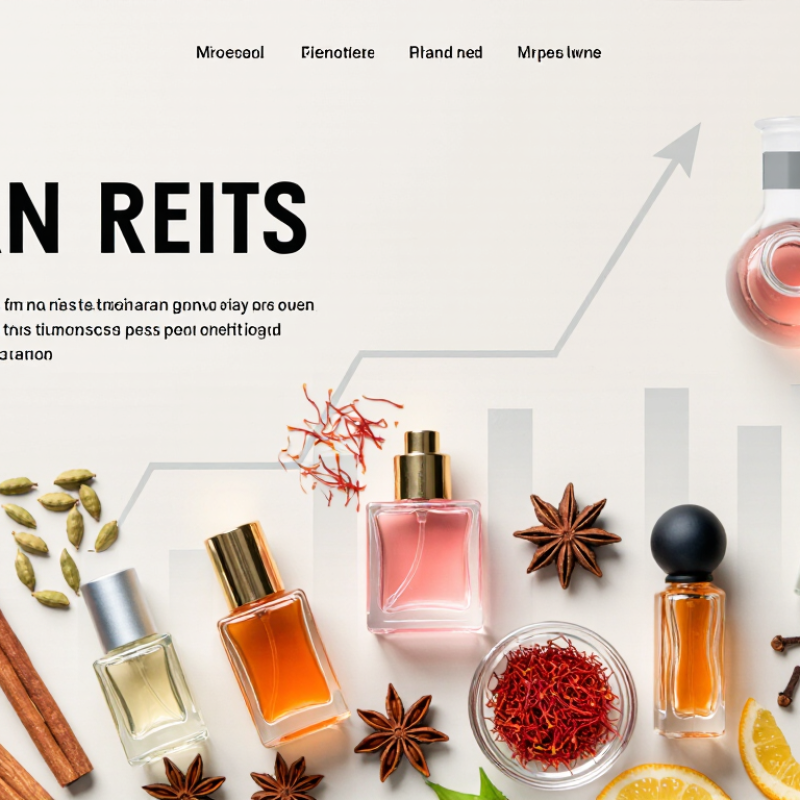
Understanding Spice Perfume and Its Role in Brand Identity
Spice perfume can shape a brand identity before customers read a single word. Its warmth may suggest confidence, craftsmanship, or quiet luxury. However, spice is not one simple character. Cardamom feels fresh and green, while cinnamon feels sweet and familiar. Clove adds depth, but it can quickly become medicinal. Small changes matter.
When selecting a scent, test it on paper strips and skin. I once approved a lively pepper note that became harsh after two hours. It sounded excellent in the opening. It failed in real use. This mistake taught me to assess the full fragrance journey, not only the first impression. Test samples in different temperatures, too. Humidity can make sweet spices feel heavy, while dry air may soften them.
A reliable evaluation should connect the perfume with the brand’s materials, audience, and daily environment. Warm amber may suit textured packaging and intimate spaces. Bright ginger may better support a clean, energetic identity. Ask whether the scent remains recognizable without becoming distracting. That question is easy to ignore. It should not be. Review ingredient information, allergen disclosures, and applicable fragrance safety standards before production. Professional fragrance creators and qualified safety specialists can help verify these details. A thoughtful spice perfume does more than smell pleasant. It gives the brand a sensory memory, although the perfect balance may require several imperfect trials.
Defining Your Brand’s Scent Profile and Target Audience
Choosing the best spice perfume begins with your brand’s scent profile, not a popular note. Define the emotion you want customers to remember. Warmth, confidence, comfort, or mystery can guide the formula. Cinnamon may feel familiar, while cardamom can create a cleaner, brighter impression. Clove adds depth, but it can quickly become too sharp. Small differences matter.
Describe your audience in practical detail. Are they buying for daily office wear, evening occasions, or quiet personal rituals? Consider age, climate, clothing, and cultural preferences. A rich amber-spice blend may suit colder weather, while pepper and citrus can feel lighter in warm climates. Test each sample on paper and skin. Wait several hours before judging the dry-down. My early fragrance briefs focused too much on the opening note. The lasting character was weaker than expected. That mistake changed my testing process.
Collect feedback from people who match your target customer, not only from your internal team. Ask what the scent suggests, when they would wear it, and what feels excessive. Record their exact words. Review the formula for balance, consistency, and applicable fragrance safety standards. A clear scent profile should include its main notes, intensity, texture, and intended setting. Leave room for revision. Your first version may not express the brand accurately yet.
Evaluating Spice Notes, Ingredients, Quality, and Safety
How to Choose the Best Spice Perfume for Your Brand?
Spice perfumes need balance, not just intensity. Start by smelling the opening, heart, and dry-down on blotter strips. Cinnamon may feel warm, while cardamom can add a cooler, brighter effect. Clove, pepper, and nutmeg create depth, but they can quickly become harsh. Test each note separately. Then assess the blend after 30 minutes and again after four hours.
Ingredients reveal more than the fragrance name. Ask suppliers for an ingredient list, allergen information, safety data, and batch traceability. A certificate of analysis can help confirm consistency, although paperwork is not proof of perfect quality. Check the raw materials for clean handling, stable color, and a controlled aroma. Natural extracts may vary between harvests. Synthetic materials can sometimes improve consistency and safety. Neither option is automatically better.
Safety must guide every decision. Review applicable fragrance standards and local labeling rules before approval. Request documented usage limits for skin contact products. Conduct stability testing under heat, light, and humidity. Watch for separation, discoloration, or an unexpected sour odor. Perform professional skin-safety assessments, not informal home testing. A mistake I once noticed was judging only the first spray. The dry-down changed everything. Leave room for revision. A beautiful spice accord can still fail if it irritates skin or becomes unstable in the bottle.
How to Choose the Best Spice Perfume for Your Brand?
Evaluating characteristic spice molecules helps assess olfactive identity, ingredient transparency, quality consistency, and potential safety requirements.
The chart shows representative concentration ranges of characteristic aroma molecules commonly reported in essential-oil composition studies. Natural materials vary by origin, harvest, extraction method, and storage. Before commercial use, confirm batch specifications, allergen declarations, SDS information, and the applicable IFRA Standards.
Comparing Fragrance Performance, Packaging, and Supplier Options
Choosing a spice perfume starts with performance, not a dramatic opening note. In testing, I spray samples on blotter strips and skin, then record the scent after 15 minutes, four hours, and the next morning. Warm notes such as cinnamon, cardamom, clove, and pepper can project strongly at first. Their dry-down may become softer, sweeter, or unexpectedly dusty. That change matters. A pleasant opening is not enough.
Packaging can alter the customer’s experience and the formula’s stability. I check whether the perfume reacts with the bottle, cap, pump, gasket, and decorative coating. A clear bottle shows color shifts, while opaque packaging hides them. Heat testing near a sunny window is useful, but it cannot replace controlled stability testing. Once, I focused too heavily on the scent and overlooked a loose sprayer. That small fault changed the whole evaluation. It still needs review.
Supplier selection should combine technical evidence with practical communication. Request recent samples, ingredient documentation, safety data, allergen information, batch specifications, and clear minimum order quantities. Confirm filling options, production lead times, storage guidance, and quality checks before approving a formula. Reliable suppliers explain what they can repeat, not only what they can create. Ask how they manage batch variation and follow applicable fragrance safety standards. Compare three quotes carefully; the lowest price may exclude testing or suitable packaging. A supplier can sound convincing and still provide incomplete records. Keep written approvals, retain samples, and reassess performance after scale-up.
Testing and Selecting the Best Spice Perfume for Your Brand
A spice perfume should be tested as a finished product, not only on a paper strip. Grand View Research valued the global fragrance market at approximately $50.85 billion in 2023, with continued growth projected through 2030. This growth increases pressure to create distinctive, reliable sensory profiles. A warm cardamom note may feel elegant in the laboratory, yet become sharp after dilution or skin contact. Test each sample on blotters, skin, and the final base. Record the first impression, dry-down, intensity, and persistence at set intervals.
Use a controlled panel with clear instructions. ISO 8586:2023 offers guidance for selecting and training sensory assessors. Keep the test room neutral, clean, and free from competing odors. Five to ten trained evaluators can reveal differences that casual feedback misses. Still, panel results are not absolute. Personal skin chemistry, climate, and cultural preferences can change perception. The first result may be wrong.
Technical checks matter too. Request an ingredient specification, allergen information, and an IFRA conformity document for the intended product category. IFRA Standards establish fragrance-use restrictions based on safety assessments. Evaluate the perfume in its actual packaging under heat, light, and storage conditions. Check for color change, sediment, leakage, and odor distortion. A beautiful opening is not enough. Sometimes the less dramatic sample performs better after four weeks, which is easy to overlook during a rushed selection process.
(Sources: Grand View Research, Fragrance Market Report; ISO 8586:2023; International Fragrance Association Standards)
Related Posts
-
Global Market Insights: The Future of Spice Perfumes by 2025
-
Unlocking the Secrets of Spice Perfume: A Journey Through Exotic Fragrance Blends
-
Exploring the Future: How 'Best Natural Scent' Technology Will Revolutionize Industries by 2025
-
Comprehensive Resource for Scent Aroma Trends in Global Procurement
-
What are the Key Benefits of Choosing Best Natural Scented Perfumes for Your Daily Routine
-
Exploring Aromatic Perfume Trends at the 138th Canton Fair 2025: Industry Insights and Market Growth