How to Choose the Best Functional Yarn for Your Needs?
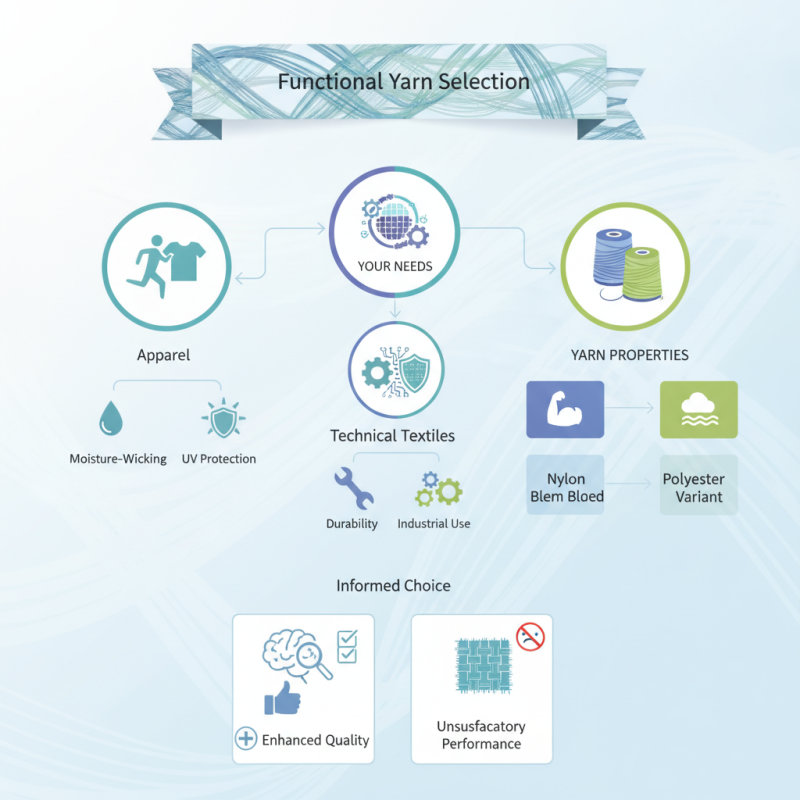
Choosing the right Functional Yarn can significantly impact your projects, whether it’s for apparel or technical textiles. A report by Grand View Research highlights that the global functional yarn market is projected to reach $30 billion by 2025. This growth reflects the diverse applications of these advanced materials, including moisture-wicking and UV protection.
However, many consumers struggle to identify the best options for their specific needs. Not all Functional Yarns provide the same benefits, and understanding the unique properties of each type is essential. For instance, nylon blends may offer durability while polyester variants deliver breathability.
Making an informed choice requires knowledge and awareness of performance characteristics. Misjudgments can lead to unsatisfactory fabric performance. It’s crucial to analyze your requirements and the environment where the yarn will be used. Exploring these intricacies can lead to better decisions and ultimately enhance the quality of your creations.
Understanding Functional Yarn: Types and Characteristics
Functional yarn is becoming increasingly popular among makers and designers. These yarns serve specific purposes, enhancing functionality without sacrificing aesthetics. Understanding different types and their characteristics is crucial in making the right choice.
One prevalent type is moisture-wicking yarn. This yarn pulls moisture away from the body, keeping the wearer dry. It's ideal for athletic wear or hot climates. Then there’s thermal yarn, known for its insulating properties. This type is perfect for winter garments, providing warmth without adding bulk. However, one must consider the weight and feel. Some thermal blends can feel heavy or restrictive, which may not be suitable for every project.
Another option is eco-friendly yarn. Sustainable materials resonate with many crafters today. They offer a unique texture and color palette. But, the durability might not match up to synthetic options. Crafters should weigh the trade-offs between sustainability and performance. Functional yarns provide diverse options, but not every choice is perfect. Finding the balance often involves experimenting and reflecting on your specific needs.
Evaluating Your Project Requirements for Yarn Selection
When selecting functional yarn, your project requirements play a crucial role. Consider the type of project you are working on. Are you making a cozy sweater, a durable bag, or a delicate shawl? Each of these items demands different yarn characteristics. For example, sweaters need warmth, while bags require strength. Identify your specific needs early on to guide your selection.
Next, analyze the environment where your project will be used. Will it be exposed to wear and tear? If so, you may want to focus on thick, resilient fibers. Conversely, for lighter accessories, a finer yarn might suffice. It’s also worth considering the ease of care for your finished product. Some yarns are machine washable, while others require delicate handling. It’s important to reflect on how much maintenance you are willing to invest.
Additionally, don't overlook the yarn's texture and feel. Some fibers can be itchy against the skin, causing discomfort. Test different options by feeling the yarn in-store. This tactile experience can deeply influence your decision. It's easy to be swayed by trends, but choosing the right yarn is ultimately about personal preference and usability. Think about your priorities.
Comparing Yarn Materials: Performance vs. Comfort
Selecting the right functional yarn for your projects can be challenging. When comparing materials, it’s vital to understand how performance and comfort play a role in your decision. Performance often refers to durability and the ability of the yarn to withstand wear. For instance, some synthetic fibers might be more resistant to abrasion, while natural yarns can have unique qualities that enhance breathability.
Comfort, on the other hand, is subjective and varies from person to person. A yarn that feels soft to one individual might irritate another’s skin. Consider the intended use of your yarn. For garments worn directly against the skin, fibers like cotton or bamboo are popular for their smoothness. Wool, while warm, can be itchy for some. It is essential to reflect on how you react to different materials and their textures.
Experimenting with various blends can lead to unexpected results. Sometimes, a mixture of synthetic and natural fibers offers both strength and comfort. However, trial and error may be necessary to find the perfect match. A yarn that performs well in terms of strength could lack the softness you desire, leading to a compromise. Keep experimenting, and note which blends suit your needs best, as preferences can change with every project.
How to Choose the Best Functional Yarn for Your Needs? - Comparing Yarn Materials: Performance vs. Comfort
| Yarn Material | Performance | Comfort | Best Use Cases |
| Cotton | Moderate | High | Summer clothing, Baby items |
| Wool | High | Moderate | Winter wear, Warm accessories |
| Acrylic | Moderate | Moderate | Affordable projects, Children's wear |
| Silk | High | Very High | Luxury items, Summer tops |
| Bamboo | High | High | Eco-friendly projects, Baby blankets |
Identifying Essential Yarn Properties for Specific Uses
Choosing the right functional yarn can be tricky. Various properties make each type suited for specific applications. Knowing what to look for is essential. Start by considering the yarn's thickness. Thicker yarns provide warmth, ideal for winter projects. Thin yarns offer a lighter feel, perfect for summer garments.
Next, think about the fiber content. Natural fibers like cotton and wool have unique advantages. Cotton is breathable and hypoallergenic, making it great for warmer climates. Wool, on the other hand, is excellent for insulation. Blended yarns often combine these benefits, giving you versatility.
Consider also the yarn's durability. If you need something that withstands wear and tear, go for synthetic options. They are often more resistant to fading and stretching. However, they might lack the same warmth as natural fibers. Experimenting with different types will help you understand their limits and strengths. It’s okay to make mistakes. Each project teaches valuable lessons.
Sourcing Quality Functional Yarns from Reliable Suppliers
When sourcing quality functional yarns, the choice of suppliers is critical. Reliable suppliers maintain strict quality control standards. A recent report by the Textile Exchange revealed a 15% increase in demand for sustainable functional yarns. This underscores the importance of partnering with suppliers who prioritize eco-friendly practices.
It is essential to verify the certifications of potential suppliers. Look for Global Organic Textile Standard (GOTS) or OEKO-TEX certifications. These credentials indicate adherence to high environmental and safety standards. Not all suppliers meet these requirements. Researching and reaching out can also shed light on their manufacturing practices.
Visit supplier facilities when possible. This approach allows a firsthand assessment of their operations. Additionally, engage with other customers to gather honest feedback. Understand that price often reflects quality. Balancing cost and quality can be challenging. Always be prepared to revisit your choices if expectations are not met.
How to Choose the Best Functional Yarn for Your Needs?