

How to Choose the Best Army Winter Sweater?
Choosing an Army Winter Sweater is not just about finding the thickest knit. The right choice should balance warmth, breathability, fit, and durability for the conditions you expect to face. A sweater that feels cozy indoors may become uncomfortable beneath a coat, especially when its sleeves bunch at the wrists or its fabric traps moisture. Small details matter: check the collar, seams, cuffs, and room across the shoulders. Then consider what you will wear over it.
In this guide, fictional knitwear specialist Alex Mercer offers an illustrative principle: “Choose the sweater that keeps you warm without restricting movement or holding dampness against your skin.” This is an original, illustrative quote—not a verified statement from a real expert. Use it as a practical reminder, not as a substitute for product specifications or professional advice. Compare fiber content, knit density, care instructions, and sizing before you buy. Wool blends can offer warmth and resilience, while synthetic fibers may dry faster; actual performance depends on construction and use. No single option suits everyone. A snug fit may layer neatly, but too little room can limit comfort. And labels can be confusing. We will look at how to assess warmth, materials, fit, durability, and value, so you can choose an Army Winter Sweater with clearer expectations.
What an Army Winter Sweater Is and How It Is Used
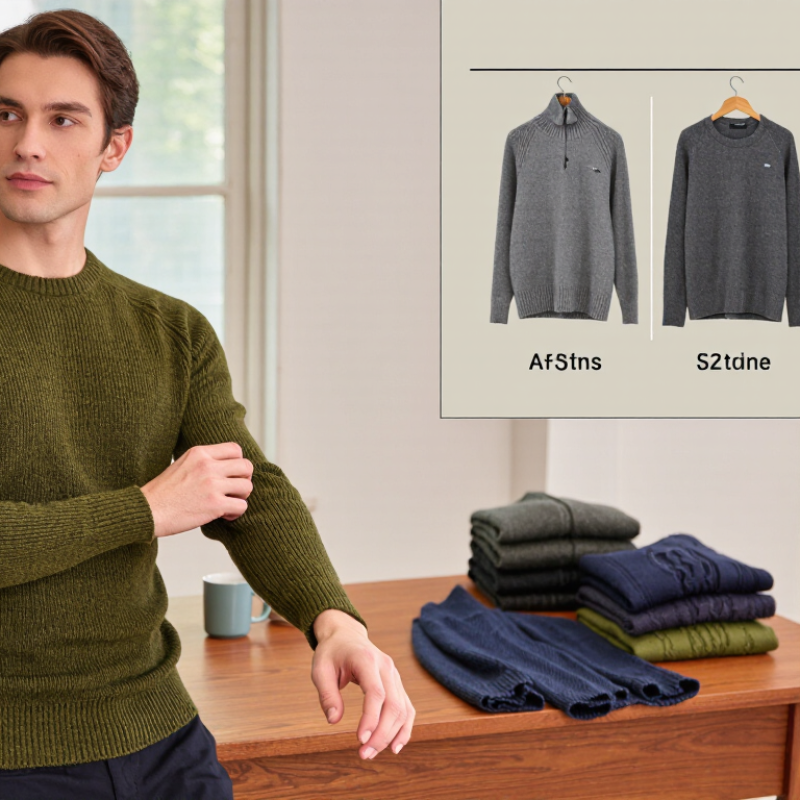
An army winter sweater is a knitted insulating garment worn between a moisture-managing base layer and an outer jacket. It traps warm air close to the body while allowing movement during routine duties, outdoor training, or cold-weather work. Wool and synthetic blends are common choices: wool can retain some warmth when damp, while synthetic yarns often dry faster. The sweater is not a substitute for a windproof shell. In the U.S. Army’s seven-layer Extended Cold Weather Clothing System, garments work together to manage insulation and moisture; the sweater is best understood as one possible midlayer, not a complete cold-weather solution.
Fit matters in practice. A sweater that bunches under the arms can restrict movement, while a tight one may compress insulating air. Check the cuffs, collar, and hem for gaps, then test the garment with the layers you expect to wear. NIOSH’s Criteria for a Recommended Standard: Occupational Exposure to Cold Environments emphasizes that wind, temperature, activity, and wet clothing all affect cold exposure. A dry sweater can feel comfortable during a brisk walk, yet become clammy under a heavy pack. That detail is easy to miss. Choose a knit that suits the expected activity, and make room to add or remove layers as conditions change.
Assessing Climate, Activity, and Layering Needs
How to Choose the Best Army Winter Sweater?
Assessing Climate, Activity, and Layering Needs
Start with the conditions you regularly encounter, not the coldest day on record. Damp wind can chill you faster than dry air, especially when you stop moving. For wet, changeable weather, consider a sweater that dries reasonably quickly and fits beneath a wind-resistant outer layer. In dry cold, a warmer, denser knit may feel more comfortable. Check the fabric label, but remember that fiber content alone cannot predict how a garment will perform. Fit matters, too. A sweater that bunches under your jacket can restrict movement and trap uncomfortable pressure points.
Think about your activity level. Walking steadily creates heat; standing outdoors for long periods does not. If your day alternates between both, a lighter sweater may be easier to manage than one heavy layer. Leave enough room for a base layer and an outer shell, without making the sleeves or shoulders feel tight. Try raising your arms and reaching forward before deciding. Small test. Consider sweat as well: a thick sweater can feel cozy at first, then clammy during hard work. I would not choose by warmth alone; that is easy to regret. Climate, pace, and the layers you already own should guide the choice.
Comparing Sweater Materials, Warmth, and Breathability
How to Choose the Best Army Winter Sweater?
Comparing Sweater Materials, Warmth, and Breathability
A winter sweater must hold warm air without trapping too much sweat. Wool naturally buffers moisture, while synthetic fleece often dries quickly and feels lighter. Cotton can feel comfortable indoors, but damp cotton loses insulating value and may stay wet. Touch matters. Fit matters, too: a close layer warms well, but tight sleeves can restrict movement.
Textile Exchange’s Materials Market Report 2024 estimates that global fiber production reached 124 million tonnes in 2023. Polyester accounted for about 57%, while wool represented roughly 1%. These figures describe production, not warmth or quality. A common mistake is choosing the most widely used fiber as the best insulator. Instead, compare fabric thickness, knit density, and drying time. For more objective comparisons, thermal resistance and air permeability can be measured using recognized textile test methods, including ASTM D1518 and ASTM D737.
Consider the conditions you actually face. For stop-and-go activity, a breathable wool or wool-blend sweater may feel steadier as effort changes. For wet weather or frequent washing, quick-drying synthetics can be practical. Check the cuffs, collar, and underarm area; dense stitching can trap heat, but may also hold moisture. I would not treat these rules as perfect. Layer it over a thin base layer, then walk briskly for ten minutes. Notice sweat. Adjust if needed.
Checking Fit, Construction, and Military-Style Features
Try the sweater over the shirt or base layer you expect to wear; bare-skin fit can be misleading. Raise both arms, reach forward, and sit down. The hem should stay near the waistband, while cuffs cover the wrists without swallowing the hands. Check the shoulder seams and chest ease. Tight fabric can limit movement, but excess bulk may bunch beneath a jacket. A little room matters.
Inspect the knit in bright light for thin spots, loose loops, and uneven seams. Turn the sweater inside out and check whether the stitching feels secure around the cuffs, collar, and underarms. These areas take repeated strain. Ribbed edges should recover after a gentle stretch, not remain wavy. Also read the care label: a warm, comfortable fabric is less useful if ordinary washing makes it shrink.
Military-style details should serve a purpose. A crew neck, muted color, reinforced elbows, or simple shoulder panels can create a field-inspired look without adding much bulk. Avoid choosing by appearance alone. Try the sweater beneath your usual outer layer and check that seams or patches do not rub. Fit can vary between cuts, and size labels are not always dependable. One detail I might overlook at first is sleeve length; it becomes obvious only after reaching for something.
Choosing a Sweater and Maintaining It for Long-Term Use
How to Choose the Best Army Winter Sweater?
Choosing a Sweater and Maintaining It for Long-Term Use
Choose a sweater for warmth, fit, and the layers you actually wear. Wool can retain warmth in cold conditions, while a blended fabric may feel easier to care for. Check the care label before buying; fiber content alone does not tell you how a garment will feel. Try it over a shirt or base layer. The shoulders should sit comfortably, and the cuffs should cover your wrists without restricting movement. A snug fit helps hold warmth, but tight sleeves can make layering awkward. It is easy to focus on thickness and overlook comfort during a full day of wear.
Tips: Air the sweater after use, rather than washing it after every wear. Follow the care label, use gentle washing when permitted, and avoid twisting wet fibers. Dry it flat on a clean towel; hanging can stretch the shape. Remove small pills carefully with a fabric comb. Store the sweater clean and fully dry, folded in a cool, ventilated place. Even careful storage cannot prevent every snag or bit of wear. Check cuffs and seams occasionally, and repair loose threads before they unravel further.
How to Choose the Best Army Winter Sweater? — Choosing a Sweater and Maintaining It for Long-Term Use
| Factor | What to Check | Practical Guidance | Why It Matters |
|---|---|---|---|
| Fiber and warmth | Fiber content and fabric weight | Wool provides useful insulation in cool conditions. Wool blends can balance warmth with easier care, while synthetic fibers often dry faster. Compare garments of similar thickness when assessing warmth. | Fiber choice affects warmth, drying time, feel, and care requirements. |
| Fit and layering | Shoulder placement, sleeve length, and room for an underlayer | Choose a fit that allows comfortable movement and a base layer without restricting the arms or chest. Check fit while wearing the layers you expect to use. | A practical fit supports mobility and helps prevent uncomfortable bunching under outerwear. |
| Uniform or dress-code compatibility | Required color, neckline, visible details, and approved garment rules | If the sweater is for duty or a uniform, confirm the applicable dress regulations before buying. Requirements can vary by organization and assignment. | A suitable garment must meet both weather needs and relevant uniform rules. |
| Construction and durability | Seams, cuffs, hem, and areas subject to friction | Look for even seams, secure finishing, and cuffs and hems that retain their shape. Inspect the underarms and elbows, which may experience frequent movement or wear. | Sound construction can help a sweater withstand repeated use and washing. |
| Care label | Washing, drying, and ironing instructions | Follow the garment’s care label. Wool and wool blends may shrink or felt with excess heat or agitation; some items require hand washing or professional care. | Care instructions are specific to the garment’s fibers and construction. |
| Washing | Water temperature, detergent, and wash method | Wash only when needed. For washable wool, use a wool-safe detergent and a cool, gentle cycle if the label permits. Avoid bleach and do not wring the garment. | Gentler washing helps reduce shrinkage, fiber damage, and loss of shape. |
| Drying and reshaping | Drying method and garment support | Reshape the sweater while damp and dry it flat on a clean surface unless the care label states otherwise. Avoid direct high heat; hanging a wet knit can stretch it. | Flat drying helps the garment keep its original shape. |
| Pilling and surface care | Small fiber balls in high-friction areas | Remove pills carefully with a fabric comb or suitable depilling tool. Do not pull pills by hand, as this can damage the knit. | Careful removal improves appearance while limiting damage to the fabric. |
| Storage between seasons | Cleanliness, dryness, and protection from pests | Store the sweater clean and completely dry. Fold it rather than hanging it for long periods, and use a clean, dry storage area; consider moth protection appropriate for the storage space. | Clean, dry storage helps reduce odors, stretching, mildew risk, and insect damage. |