How to Choose Organic Perfume for a Natural Fragrance?
Choosing the right organic perfume can often feel overwhelming. With many options available, it's crucial to be well-informed. Renowned fragrance expert Sarah Johnson states, "The essence of organic perfume lies in its purity and how it resonates with your unique identity." This emphasizes the personal connection we have with scents.
Organic perfumes are crafted from natural ingredients like essential oils and botanical extracts. These elements not only offer a range of fragrances but also ensure a safer experience for your skin and the environment. However, not all products labeled as organic are created equal. It’s essential to read ingredient lists carefully. Some brands may use misleading terms.
Consumers should become familiar with terms used in perfumery. This knowledge helps in making informed choices. Organic perfumes can elicit emotions and memories, enhancing their value. However, they may not last as long as synthetic fragrances. Embracing imperfection is key. Even the best organic perfumes require thoughtful consideration. Finding the right one takes time and patience.
Understanding Organic Perfumes: What Makes Them Different?
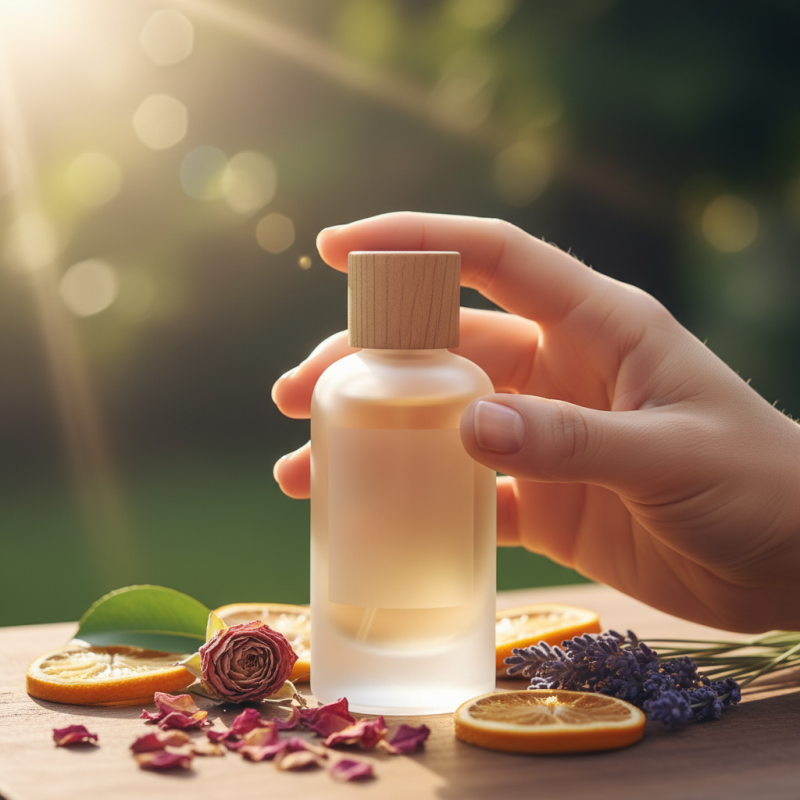
Organic perfumes stand out for their use of natural ingredients. Unlike synthetic fragrances, they rely on plant-based sources. Essential oils are the foundation. These oils provide not only scent but also therapeutic benefits. Many natural scents can evoke emotions and memories.
Choosing organic perfumes also means being mindful of their composition. They are often free from harmful chemicals. Artificial preservatives can trigger allergies or sensitivities. Therefore, organic options offer a gentler experience for the skin and senses.
However, transparency is crucial. Not all labels clearly state their sources. This lack of clarity can lead to confusion.
Exploring these fragrances requires a bit of trial and error. What works for one person might not for another. A scent may smell divine in the bottle but change when mixed with body chemistry. It’s essential to test them on your skin.
Sometimes, the most appealing scent can become overpowering. Reflecting on personal preferences and experiences with scents is vital. This journey can be rewarding and eye-opening.
Identifying Natural Ingredients in Organic Perfumes
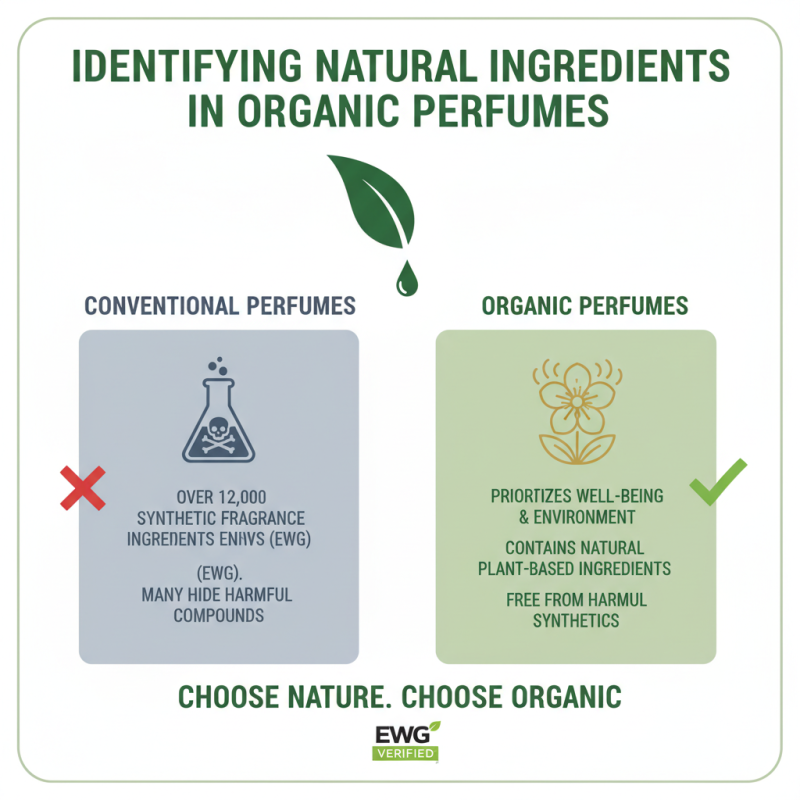
When selecting organic perfumes, it's crucial to recognize the natural ingredients that define their appeal. The Environmental Working Group (EWG) states that over 12,000 fragrance ingredients are used in conventional perfumes. Many of these are synthetic and can hide harmful compounds. By choosing organic options, you prioritize your well-being and the environment.
Look for essential oils as the primary scent source. Essential oils are derived from plants and flowers. They often carry therapeutic benefits and are generally safer. However, verify their extraction methods. Cold-pressed and steam-distilled methods are preferable. This ensures that the oils maintain their natural properties.
Be cautious of terms like "natural" or "organic" on labels. These claims can be misleading. The USDA organic certification is more reliable. Seek products that clearly list components, ensuring no synthetics appear. Reports reveal that consumers prefer transparency. According to a study by Grand View Research, the organic fragrance market is expected to grow substantially. This shift indicates a desire for purity in personal care.
Evaluating Scent Profiles: Floral, Citrus, Woody, and More
Choosing an organic perfume is not just about scent; it's about finding a fragrance that resonates with your personality. Evaluating scent profiles is essential. Common profiles include floral, citrus, woody, and herbal. Each has unique characteristics that can evoke different emotions.
Floral scents are often romantic and uplifting. They include notes like rose and jasmine. Floral perfumes are great for everyday wear or special occasions. Citrus fragrances, such as lemon or orange, tend to be refreshing and energizing. They are perfect for a vibrant, sunny day.
Tips: When testing perfumes, try them on your skin. Body chemistry changes how scents develop. Allow the fragrance to settle on your skin before you decide. Woody scents, featuring sandalwood or cedar, evoke warmth and earthiness. These are ideal for evening wear or colder seasons.
Don’t forget to explore herbal fragrances too. They can offer a fresh and grounding experience. Reflect on what mood you want to create. Pay attention to scent longevity and how it fades throughout the day. Sometimes a scent may start strong but change drastically over time. It's crucial to choose wisely.
Considering Personal Preferences and Skin Chemistry
Choosing an organic perfume requires understanding your unique skin chemistry. Each person's body chemistry interacts differently with various ingredients.
Essential oils, for example, can smell divine in the bottle but transform into something unexpected on your skin. Testing scents on your wrist is essential for this reason.
Personal preferences play a crucial role too. Some enjoy floral notes, while others lean toward earthy tones. Consider what scents you naturally gravitate towards.
Do you feel relaxed with citrus? Or does sandalwood evoke a sense of comfort?
These preferences guide your choices, ensuring the fragrance aligns with your personality.
Don't rush the process. Allow the perfume to settle on your skin before making a decision. Over time, its character may change.
A scent that feels overwhelming at first might become delightful after a few hours. Reflect on how it evolves with your body heat.
Finding the right organic perfume could be a journey filled with surprising discoveries.
Embrace the imperfections that come along.
Tips for Testing and Choosing the Right Organic Perfume
When choosing an organic perfume, testing is vital. Start by understanding your skin chemistry. Natural fragrances interact with your skin's pH levels, which can alter the scent. According to a study by the International Fragrance Association, around 30% of consumers reported that a scent smells different on their skin than in a bottle. This highlights the importance of testing.
Consider sampling perfumes on scent strips before applying them to your skin. Allow the fragrance to develop for at least 30 minutes. Many perfumes change character over time. A 2022 survey revealed that 50% of users prefer scents that evolve, indicating a complex scent profile. Pay attention to how the fragrance lingers. A perfume that dissipates quickly may not be the best choice.
Choosing eco-friendly packaging adds to the experience. Many brands are now using biodegradable materials or reusable containers. This aligns with the growing trend towards sustainability in the fragrance industry, where 60% of consumers prefer eco-conscious products. Testing organic perfumes should be a sensory exploration. Don't hesitate to revisit scents after some time. Preferences can change, and what appeals today may differ tomorrow.