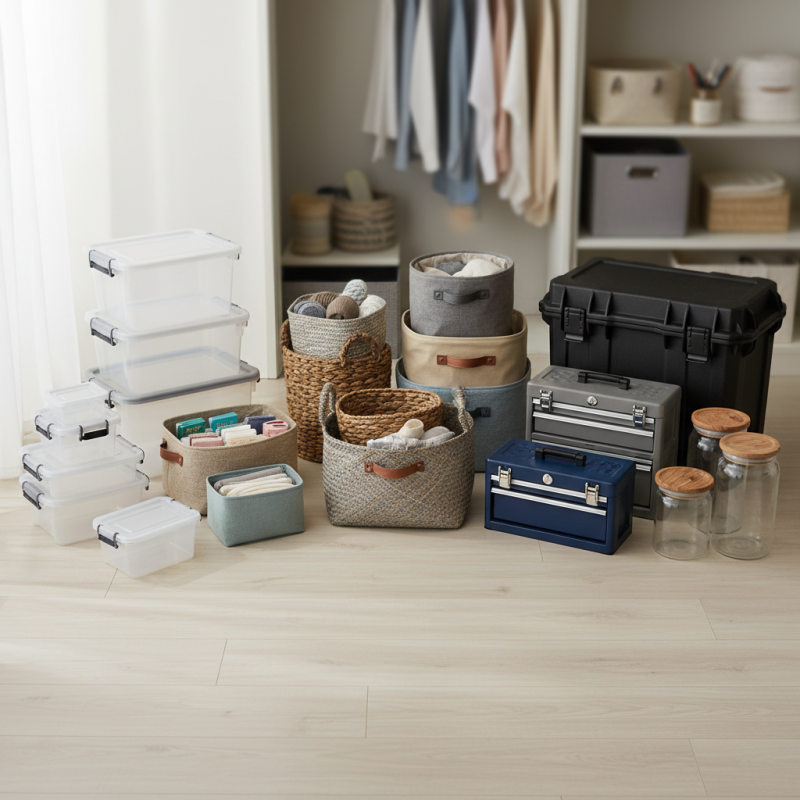
How to Choose the Best Storage Container for Your Needs?
Choosing the right Storage Container can be challenging. With so many options available, it's easy to feel overwhelmed. Storage containers come in various sizes, materials, and designs. Every choice has its own benefits and drawbacks.
Consider your specific needs before making a decision. Think about what items you plan to store. Will they be used frequently, or are they long-term items? Different storage containers serve different purposes. Some are ideal for preserving clothing, while others are better for tools or food.
Quality matters when selecting a storage container. Not all containers are created equal. You may find that cheaper options do not last long. A durable container can save you money in the long run. Making a thoughtful choice is essential for satisfaction and longevity.
Understanding Your Storage Needs: What to Consider
When choosing a storage container, it’s essential to understand your specific needs. Start by assessing the items you plan to store. Are they fragile? Will they be exposed to moisture? If you have valuable documents, consider a waterproof container. For everyday household items, a plastic bin might suffice.
Consider the size and weight of your items as well. A compact container is suitable for small tools or seasonal decorations. But large furniture requires more robust options. Reflect on where you will keep these containers. Will they be in a garage, basement, or a storage unit? The environment influences the material you should choose.
Lastly, think about your budget. More durable containers often cost more. However, cheaper options may wear out quickly. It’s vital to balance cost with long-term usability. Some containers might fit your budget but lack quality. Do not rush this decision. Take your time to find the right match for your storage challenges.
Types of Storage Containers: An Overview of Options
Storage containers come in various types to meet diverse needs. For residential use, plastic bins are lightweight and moisture-resistant. They are ideal for storing items like clothes and toys. According to the Self Storage Association, 1 in 10 American households rents a storage unit. This reflects a growing need for effective organization solutions.
Metal containers are robust and secure, perfect for commercial applications. They provide excellent protection against external elements. Research shows that the global storage container market is expected to grow at a CAGR of 5.2% from 2021 to 2028. This indicates a rising demand for reliable storage options. Inadequate choices can lead to disorganization and damage to valuables.
When selecting storage containers, consider your specific requirements. Think about size, weight capacity, and material. Factors like ease of access and stackability also matter. Reflecting on the available options helps save time and money. Try to visualize your space and the items you need to store. Finding the right container is more than a decision; it’s an investment in your organization.
Evaluating Material: Plastic, Metal, and Wood Containers
When selecting a storage container, material choice is crucial. Plastic containers are lightweight and often more affordable. They resist moisture and are easy to clean, making them suitable for various applications. According to a report from the Freedonia Group, the demand for plastic storage containers is expected to grow as their versatility becomes increasingly apparent.
Metal containers offer durability and strength. They are often used for heavy items. However, metal can rust if exposed to moisture. A study by the American Iron and Steel Institute highlights that nearly 40% of metal containers fail due to corrosion issues. This can lead to the consideration of coatings or selecting rust-resistant alloys.
Wood containers provide a unique aesthetic and natural appeal. They are ideal for decorative storage solutions. Still, wooden containers can warp or crack over time. According to the National Wooden Pallet and Container Association, wood packaging contributes significantly to sustainability efforts. However, potential users should assess their specific needs against these material characteristics. Factors such as humidity, weight, and intended use play a vital role in the decision-making process.
Size and Capacity: Choosing the Right Dimensions
When selecting a storage container, size and capacity are crucial factors. The right dimensions depend on your specific needs. It's essential to assess what you will store. Large boxes may seem handy, but they can be cumbersome to move. Conversely, too-small containers can lead to clutter and inefficiency.
Tips: Measure your space before purchasing. Make sure the container fits where you plan to use it. Think about weight too. If you store heavy items, choose a robust option.
Consider your items’ type. Bulky items like winter coats require different dimensions than small craft supplies. Analyze how often you access these items. If you need daily access, smaller, more accessible containers are ideal.
Remember, not every solution is a one-size-fits-all. Be open to adjusting your choices as your storage needs evolve. Reflect on past experiences with containers. Did you struggle with access? Did you regret your size choice? Use these insights to guide your decision confidently.
Choosing the Right Dimensions for Storage Containers
Budget Considerations: Finding Affordable Yet Quality Options
Choosing the right storage container can be challenging, especially when balancing quality and budget. Many affordable options may seem tempting, but it’s vital to evaluate their durability and functionality. Carefully assess what you need the container for. A well-made container protects your belongings and saves you money in the long run.
**Tip:** Consider materials. Plastic is lightweight and water-resistant, while metal offers superior durability. Each material has its strengths and weaknesses, impacting long-term cost efficiency. Determine your priorities based on intended use.
Testing different options in-store can provide insights. If possible, examine the container for flexibility and sturdiness. Some cheap containers may break easily under stress. Purchasing a slightly more expensive, high-quality option can often be more economical over time.
**Tip:** Look for sales or discounts. Local stores may feature seasonal promotions. Online marketplaces also have clearance sections where you can find quality containers at lower prices. Be patient and willing to explore various sources to find the right match for your needs.