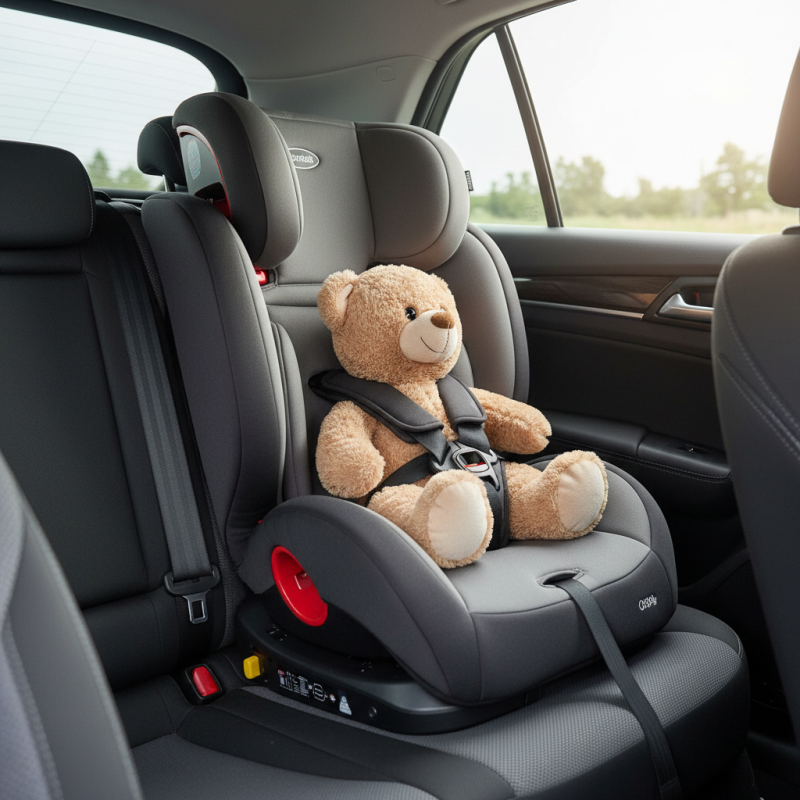
How to Choose the Best High-back Booster for Your Child?
Choosing the right high-back Booster is critical for your child's safety. This decision can be overwhelming for parents. High-back boosters provide essential support and protection during car rides. They help secure your child safely in a vehicle.
It is vital to consider various factors when selecting a High-back Booster. Each child has unique needs based on their size and age. Understanding these factors ensures you make a well-informed choice. Look for features like adjustable headrests and side-impact protection. These details enhance safety and comfort levels.
While many products market themselves as the best, not all boosters are created equal. Research shows that some boosters excel in safety tests, while others may lack essential features. It’s crucial to reflect on what truly matters. Your child's safety should always come first, beyond brands or trends.
Understanding the Importance of High-back Boosters in Child Safety
High-back boosters play a crucial role in ensuring child safety during car rides. Reports indicate that children aged four to eight are at a higher risk of injury in accidents if not properly restrained. According to the National Highway Traffic Safety Administration, booster seats can reduce this risk by 59% compared to using seat belts alone. This significant data underlines the importance of selecting the appropriate high-back booster for your child's safety.
The primary function of high-back boosters is to position the seat belt correctly over a child's body. A properly fitting seat belt can greatly reduce injury risk in an accident. However, many parents overlook the importance of a booster seat's design. Research shows that seats with head and side support offer added protection during side impact collisions. Children often find them more comfortable, encouraging them to stay properly seated.
While selecting a booster, review guidelines and recommendations from trusted safety organizations. Not all boosters provide the same level of safety and comfort. A seat that fits well may not only accommodate your child's size but also enhance their willingness to use it consistently. Regular inspections of the seat and fit are necessary, as children grow quickly, and what worked last month may not be effective now. It's vital to remain vigilant and considerate of these factors when making a choice for your child's travel safety.
Key Safety Standards and Regulations for High-back Boosters
When selecting a high-back booster seat, safety should be your top priority. Look for seats that meet rigorous safety standards. The National Highway Traffic Safety Administration (NHTSA) provides guidelines that every booster seat must follow. These include crash test requirements and label visibility. Understanding these standards helps ensure the booster seat protects your child effectively.
Tips: Always check for the latest recalls on booster seats. Manufacturers update their products to improve safety. Don't overlook the importance of a secure fit in your vehicle. An ill-fitting seat can compromise protection during an accident.
It is important to adjust the seat’s height and harness correctly. A poorly adjusted seat can lead to injuries. Pay attention to your child's growth as they develop. Booster seats are not one-size-fits-all. Regularly review your child’s weight and height against the seat’s specifications. Being proactive about safety ensures your child’s well-being on the road.
How to Choose the Best High-back Booster for Your Child? - Key Safety Standards and Regulations for High-back Boosters
| Feature | Description | Safety Standard | Weight Capacity | Age Range |
| Seat Belt Positioning | Ensures that the vehicle's seat belt fits correctly across the child’s body. | FMVSS 213 | 30-120 lbs | 4-12 years |
| Headrest Adjustability | Allows the headrest to be adjusted to fit the child’s height as they grow. | ASTM F2050 | 40-110 lbs | 4-10 years |
| Side Impact Protection | Features designed to absorb impact and protect the child in the event of a side collision. | NHTSA Guidelines | 30-100 lbs | 4-12 years |
| Ease of Installation | Design that simplifies the installation process, ensuring correct usage. | IIHS Guidelines | 40-120 lbs | 4-12 years |
Factors to Consider When Selecting a High-back Booster for Your Child
Choosing the right high-back booster seat for your child involves several important factors. Safety should be the top priority. According to the National Highway Traffic Safety Administration (NHTSA), proper booster seat use can reduce the risk of serious injury by 45% for children aged 4 to 8. Look for seats that meet the latest safety standards and have been crash-tested.
Another consideration is the seat's age and height limits. Many boosters are designed to accommodate children up to 100 pounds. Ensure the booster fits your child's weight and size. Also, check for adjustable features. A seat that can grow with your child offers better long-term value. Some models even incorporate head and neck support for added comfort and safety.
Tips to enhance your decision-making: Always refer to established guidelines from organizations like the American Academy of Pediatrics. Prioritize ease of use. A booster that fits well in your vehicle is essential. A poorly installed seat compromises safety. It's wise to read user reviews, as they often highlight real-life experiences that data can overlook. Remember, spending more doesn't always equate to better safety features. Sometimes, a simpler model performs just as effectively.
Comparative Analysis of Top High-back Booster Brands and Models
When selecting a high-back booster for your child, it’s crucial to compare various brands and models. Each option offers unique features that cater to different needs. Safety ratings, comfort, and ease of installation should be top priorities. Consider the weight limits and how well the booster fits in your vehicle. Some models have additional side protection, while others focus on being lightweight for portability.
Testing how the booster adjusts is essential. Some boosters can grow with your child, providing long-term usability. Look for models that offer head and arm rest adjustments. Parents sometimes underestimate the importance of comfort. If a child feels crammed, they may resist using the seat. This could lead to unsafe practices when traveling.
Different families have different priorities; what works for one child might not work for another. It’s beneficial to read reviews and gather experiences from other parents. Visiting a store to test seats is also a good idea. The goal is to find the right balance of safety and comfort. Remember, it’s about more than just choosing a seat; it’s a commitment to your child’s safety on every journey.
Comparison of High-back Booster Features
User Reviews and Crash Test Ratings for High-back Boosters
When selecting a high-back booster for your child, consumer feedback and crash test ratings are invaluable. User reviews provide insights into real-world experiences. According to a 2022 report from the Insurance Institute for Highway Safety, over 90% of child passengers in high-back boosters are correctly restrained when they use them. This statistic underscores their effectiveness, but individual experiences may vary.
Crash test ratings are equally crucial. The National Highway Traffic Safety Administration evaluates boosters based on their performance during simulated collisions. A product with a five-star rating demonstrates solid crash protection. However, check if recent models have improved safety features. Families often report feelings of insecurity with certain less-rated models.
Tip: Always look for adjustable headrests. These features can adapt as your child grows, extending the booster’s useful life.
Users have noted that installation can be tricky. Tightening the seatbelt correctly is essential for both safety and stability. A common mistake is underestimating the importance of following the manufacturer's instructions. Ensure you engage with local car seat inspection stations; they provide professional guidance. This proactive step can help bolster your confidence in your selection.