How to Choose the Best Commercial Beer Storage Solutions?
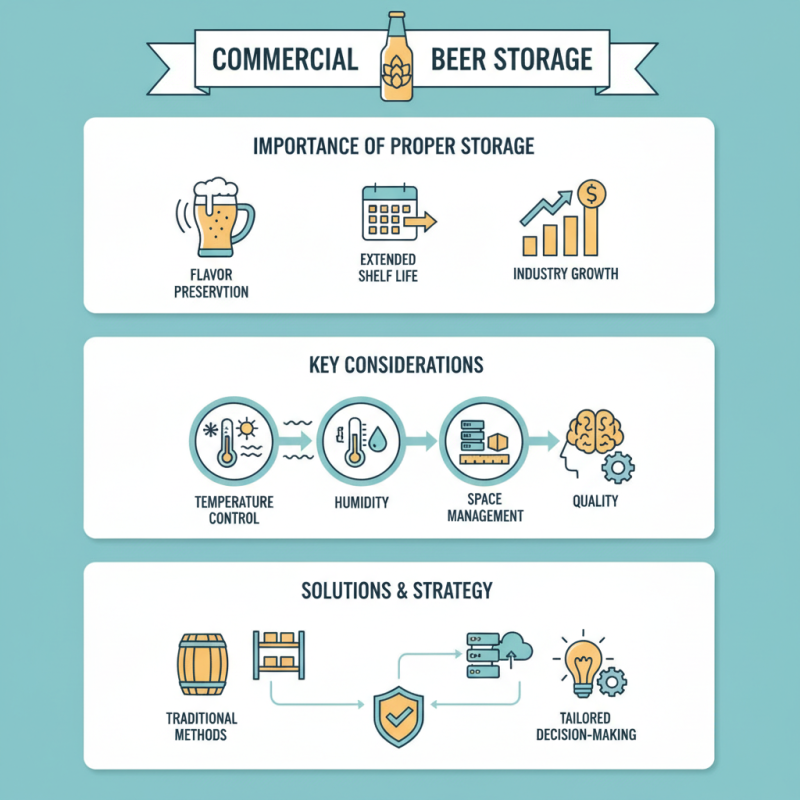
Choosing the right Commercial Beer Storage solutions is essential for businesses in the brewing industry. A recent report from the Brewers Association indicates that craft beer sales reached $23.1 billion in 2021, underscoring the importance of effective storage. Proper storage not only preserves flavor but also extends the shelf life of products.
However, selecting the best storage systems can be challenging. Factors like temperature control, humidity, and space management significantly impact beer quality. According to industry experts, maintaining an optimal environment is crucial. For example, a study shows that temperature fluctuations can lead to off-flavors. Therefore, understanding your unique storage needs is vital for success.
Innovative storage solutions are emerging, yet many businesses struggle with integration. It’s essential to evaluate both traditional and modern methods. Not all solutions may suit every type of establishment. A tailored approach considering your specific requirements is necessary for effective commercial beer storage. With so many options available, the decision-making process can feel overwhelming. A thoughtful and informed strategy will lead to better outcomes.
Factors to Consider When Choosing Beer Storage Solutions
When choosing the best commercial beer storage solutions, several factors deserve attention. Temperature control is crucial. Beer should be stored at consistent, cool temperatures to maintain its flavor. Variations in temperature can spoil the taste. Also, light exposure is a concern. UV rays can negatively affect beer, causing skunky flavors. Consider using dark storage shelving to protect your brews from light damage.
Another important aspect is the layout of the storage area. Organizing beer based on type and size can enhance efficiency. This system allows for easier access and inventory management. Inefficient layouts can lead to wasted time. Regularly reassess your storage strategy to identify any areas for improvement.
Tips: Ensure proper ventilation in your storage space. Stale air can also affect beer quality. Use shelves that allow for airflow. Check regularly for signs of spoilage or oxidation. Keeping your storage environment clean helps maintain the integrity of your products. Consider investing in humidity control if storing beer for extended periods.
Types of Commercial Beer Storage Systems Available
When selecting a beer storage solution, understanding the available types is crucial. Walk-in coolers are a popular choice for many establishments. These large spaces can hold a significant volume of kegs and allow easy access for staff. However, they require ample space and proper temperature control. Regular maintenance is important to keep the environment stable.
Another option is refrigerated beer cabinets. These units come in various sizes, designed to fit into limited spaces. They maintain a consistent cool temperature, ideal for preserving flavor. Yet, they may have limited capacity, presenting challenges for busy venues. Finding a balance between size and efficiency is key.
Consider mobile beer dispensers as well. These versatile systems can be moved to different locations. They are often used for events or outdoor settings. However, they may lack the temperature consistency of static systems. It’s vital to monitor the conditions closely. Each system has its strengths and weaknesses. Careful evaluation based on specific needs will lead to the best choice.
Evaluating Capacity and Space Requirements for Beer Storage
When evaluating capacity and space requirements for beer storage, understanding your needs is critical. A recent industry report notes that optimal beer storage solutions should accommodate various container sizes. Many establishments need space for kegs, bottles, and cans, often leading to complexity in storage design.
It's essential to measure your available space accurately. According to a 2022 market analysis, nearly 40% of businesses underestimate their storage needs. This mistake can lead to inventory issues and wasted resources. Implementing a flexible storage solution allows for adjustment as demand changes. Many operators recommend reserving about 25% of your space for future growth.
Moreover, consider temperature control and airflow as they play vital roles in preserving beer quality. The Brewers Association advises maintaining storage temperatures between 34°F to 50°F. This range is crucial for lagers and ales, respectively. Proper space allocation also ensures adequate circulation, preventing unwanted flavors in the beer. Balancing these factors will enable you to create a reliable storage setup tailored to your business.
Beer Storage Solutions: Evaluating Capacity and Space Requirements
Temperature Control and Its Importance in Beer Storage Solutions
Proper temperature control is essential in beer storage. It directly affects taste and freshness. Most beer should be stored between 45°F and 55°F. This range is optimal for flavor retention. A study by the Brewers Association highlights that temperature fluctuations can negatively impact beer quality. Consistent temperature is vital for preserving hops and malt characteristics.
Improper storage leads to oxidation. When exposed to heat or light, beer can develop off-flavors. According to a survey by the American Society of Brewing Chemists, 78% of brewers agree that temperature control is crucial. It can mean the difference between a smooth pour and a stale taste. Additionally, even a few degrees of variance can significantly alter a beer's profile.
Investing in appropriate storage solutions is critical. Options include wine fridges or insulated kegs. These help maintain the ideal environment. However, not every solution is perfect. Some may struggle with humidity control or air circulation. Evaluating the equipment's capabilities is key. A reliable setup will mitigate risks while ensuring quality beers are always served at their best.
Budget Considerations for Commercial Beer Storage Options
When selecting the best commercial beer storage solutions, budget considerations are crucial. A recent industry report indicated that nearly 30% of small breweries face financial constraints when investing in proper storage. Storage solutions vary widely in cost, from basic refrigeration units to advanced temperature-controlled storage systems. Understanding these options helps businesses allocate resources effectively.
For example, a single kegerator may cost around $500, while larger, more sophisticated units can exceed $3,000. Many establishments choose to invest in bulk storage solutions, but upfront costs can be daunting. A survey showed that 40% of beer retailers opt for leasing options to manage cash flow better. This could allow for upgrading to more efficient systems over time without a substantial one-time investment.
Quality also matters. Cheaper options often come with hidden costs, such as higher energy consumption or frequent repairs. An inefficient unit can increase electricity expenses by up to 20% annually. Balancing budget and efficiency is vital. Organizations must assess their storage needs and how much they can realistically invest. Making informed financial decisions in beer storage ultimately impacts product quality and customer satisfaction.
How to Choose the Best Commercial Beer Storage Solutions? - Budget Considerations for Commercial Beer Storage Options
| Storage Solution | Capacity (Kegs) | Temperature Control | Estimated Cost (USD) | Energy Efficiency Rating |
| Commercial Kegerator | 3-4 | Variable | $800 - $1,500 | A+ |
| Walk-In Cooler | 10+ | Constant | $5,000 - $20,000 | A |
| Under-Counter Cooler | 2-3 | Variable | $600 - $1,200 | B |
| Portable Beer Cooler | 1-2 | Variable | $300 - $600 | C |