How to Choose a Food Grade Trehalose Supplier?
Choosing a Food Grade Trehalose supplier is not just a price comparison. It is a decision about repeatability: will the next shipment dissolve and perform like the last one? The Joint FAO/WHO Expert Committee on Food Additives (JECFA) evaluated trehalose in 2001 and assigned it an acceptable daily intake of “not specified.” That safety assessment does not certify any individual supplier or product. Buyers still need batch-specific evidence.
Ask for a current specification, certificate of analysis, manufacturing-site details, and traceability records. Check assay, moisture, appearance, microbiological limits, and how each result is tested. The U.S. FDA’s GRAS Notice Inventory also records a notification for trehalose, but regulatory history is not a substitute for supplier qualification. Small differences matter. A powder that cakes in a humid store can slow a production line, even when its paperwork looks polished.
Trehalose researcher John H. Crowe’s review title, “Trehalose as a ‘chemical chaperone’: fact and fantasy,” offers a useful caution: technical claims deserve scrutiny. A supplier should explain its data, not just send a glossy brochure. Compare sample performance, consistency across lots, lead times, and change-control practices. Ask what happens when a specification is missed. That is not enough. Independent testing may also be appropriate for high-risk applications. No supplier is perfect, and a certificate alone cannot prove long-term reliability. A careful choice weighs documented quality, transparent communication, and practical fit for the intended food process.
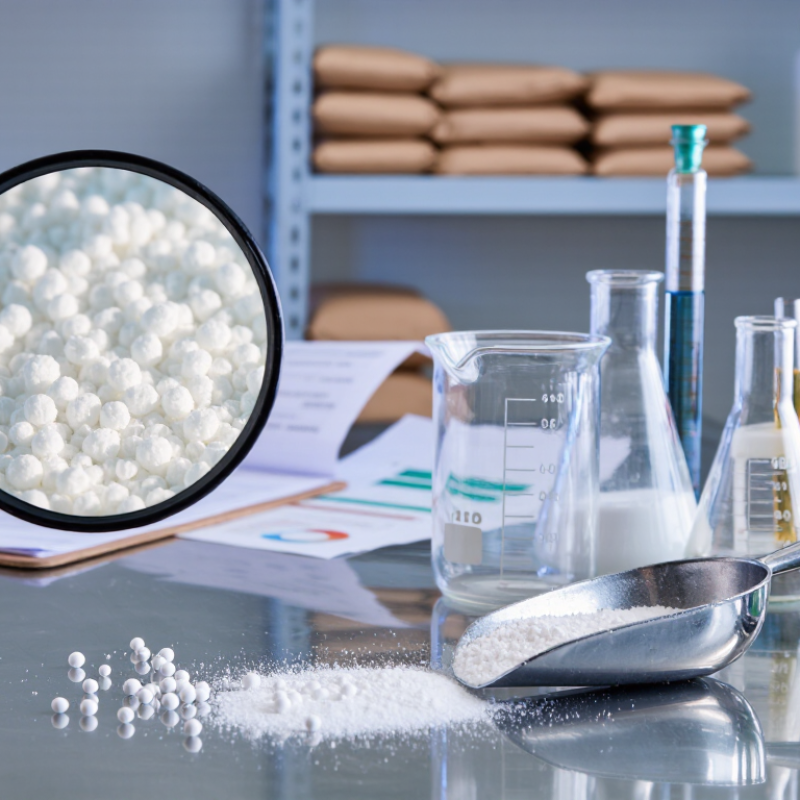
Define Food-Grade Trehalose and Its Intended Application
Food-grade trehalose is a purified carbohydrate intended for use in food, with specifications suited to the product and process. It is not simply any trehalose labeled “high purity.” Ask for a current certificate of analysis covering identity, assay, moisture, microbiological limits, and relevant contaminants. Then define the application: a dry bakery mix, frozen dessert, beverage, or confectionery may need different solubility, particle size, and handling properties. Trehalose is less sweet than sucrose, so sweetness alone does not predict how it will perform. Test it in the actual recipe.
Grand View Research’s Trehalose Market Size report estimated the global market at about US$205 million in 2022 and projected growth through 2030. That figure describes market activity, not ingredient quality. I would not use a market forecast to choose a supplier. A useful supplier discussion should cover batch consistency, traceability, packaging protection, and whether the documentation matches your intended food use. Small details matter: a damp sample can cake in a blend, while a mismatched particle size may slow dissolution. Real production can be less tidy than a brochure suggests.
Tips: Request a representative sample and compare it with the specification before scaling up. Ask how the supplier handles out-of-spec batches and retains records. Confirm storage conditions and shelf-life evidence for your packaging and climate. Keep a note of any assumptions; I have seen teams treat “food grade” as a complete answer, when it is only the starting point.
Check Supplier Certifications and Food Safety Controls
When evaluating a food-grade trehalose supplier, request current food safety certificates and check their details. Confirm the issuing body, covered facility, product scope, and expiry date. A certificate for a different site may offer little assurance about the material you will receive. Ask whether the supplier’s system includes recognized food safety standards, such as HACCP-based controls or ISO 22000 certification, and request an audit summary when available. Paperwork helps, but it is not proof by itself.
Look for practical controls behind the documents. The supplier should explain how incoming ingredients are checked, equipment is cleaned, and cross-contact risks are managed. Ask how each lot is identified and traced, and request a sample certificate of analysis showing relevant specifications and test results. Can they connect a shipment to its production and testing records? That matters. Review how complaints, deviations, and corrective actions are recorded, too. It is easy to overvalue a polished file; a clear, specific answer about a real batch can be more revealing. No checklist removes every uncertainty, so note unanswered questions and seek clarification before approving a supplier.
Review Product Specifications, Testing, and Traceability
A food-grade trehalose specification should be more than a sales sheet. Compare assay, moisture, ash, and microbiological limits against your application. JECFA’s specification gives trehalose an assay range of 98.0–102.0% on an anhydrous basis. Ask for the test method and a batch-specific certificate of analysis. Check that the result matches the lot number on the bag, not just a typical sample. Small detail. Big difference.
Testing should be specific and repeatable. Request recent results for identity, purity, moisture, and relevant microbial criteria, along with the laboratory’s method and accreditation status. A supplier should explain out-of-specification results and retain samples for investigation. The WHO’s 2015 foodborne disease estimates reported 600 million illnesses worldwide each year. That figure concerns food safety broadly, but it shows why ingredient controls need evidence, not reassurance.
Traceability needs to work under pressure. Ask whether each shipment can be linked to a production lot, manufacturing date, test record, and source materials. The FDA’s 2022 Food Traceability Rule describes key data elements and critical tracking events for covered foods; its framework is a useful reference, though not every trehalose shipment falls within its scope. Request a sample traceability record and time a mock lot search. Paperwork can look neat and still leave gaps. Check that supplier records and your receiving logs tell the same story.
Assess Production Capacity and Supply Reliability
A supplier’s stated production capacity is only a starting point. Ask how much food-grade trehalose they can allocate to your orders, not just their factory’s maximum output. Check whether capacity depends on shared equipment, seasonal demand, or planned maintenance. A large figure can look reassuring. It may not reflect what is actually available.
Review recent production and shipment records, including batch sizes, lead times, and delivery performance. Ask how the supplier handles a sudden increase in demand or a delayed raw-material shipment. Request relevant batch documentation and compare its details across multiple lots. Consistent specifications matter, but so does clear communication when a batch or shipment is delayed. Vague answers deserve follow-up.
Consider placing a modest trial order before relying on regular supply. Track the promised dispatch date, arrival condition, packaging, and accompanying quality documents. Ask whether the supplier has backup production arrangements and how quickly they notify customers about disruptions. No plan is perfect. A polished capacity table cannot predict every interruption, and I would not treat one successful delivery as proof of long-term reliability. Look for evidence over time, while keeping your own demand forecasts realistic.
Compare Samples, Pricing, and Technical Support
How to Choose a Food Grade Trehalose Supplier?
Compare Samples, Pricing, and Technical Support
Request samples from several suppliers and test them under the same conditions. Check dissolution, taste, particle size, and performance in your actual product—not only in a glass beaker. Compare certificates of analysis across multiple lots, including assay, moisture, and relevant microbiological results. One sample proves little. WHO’s 2015 global burden report estimated 600 million foodborne illnesses and 420,000 deaths each year, using 2010 data. That broader risk makes traceable records and consistent quality essential, even for a single ingredient.
Compare prices on equal terms. Include minimum order quantities, freight, lead times, payment terms, and the cost of incoming testing. A low price can look less attractive when a delayed shipment interrupts production. Ask suppliers how they investigate out-of-specification results and whether they can provide batch traceability. I would not overread a polished specification sheet; real lots can vary.
Technical support matters when trehalose behaves differently in a formulation than it did in a sample test. Ask for guidance on storage, handling, analytical methods, and application trials. Check whether staff can explain their recommendations with data, rather than promises. Codex’s General Principles of Food Hygiene call for hazard-based controls and verification; a supplier’s documentation should help your own quality team assess those controls. Some answers may still be vague. Record them, then decide whether the uncertainty is acceptable.
How to Choose a Food Grade Trehalose Supplier
Suggested buyer-defined evaluation weights—not market survey data. Compare suppliers using the same sample tests, total landed-cost assumptions, and technical-support questions. Verify food-grade documentation, specifications, and compliance requirements for your intended market.