How to Choose the Best Knit Cotton Fabric for Your Projects?
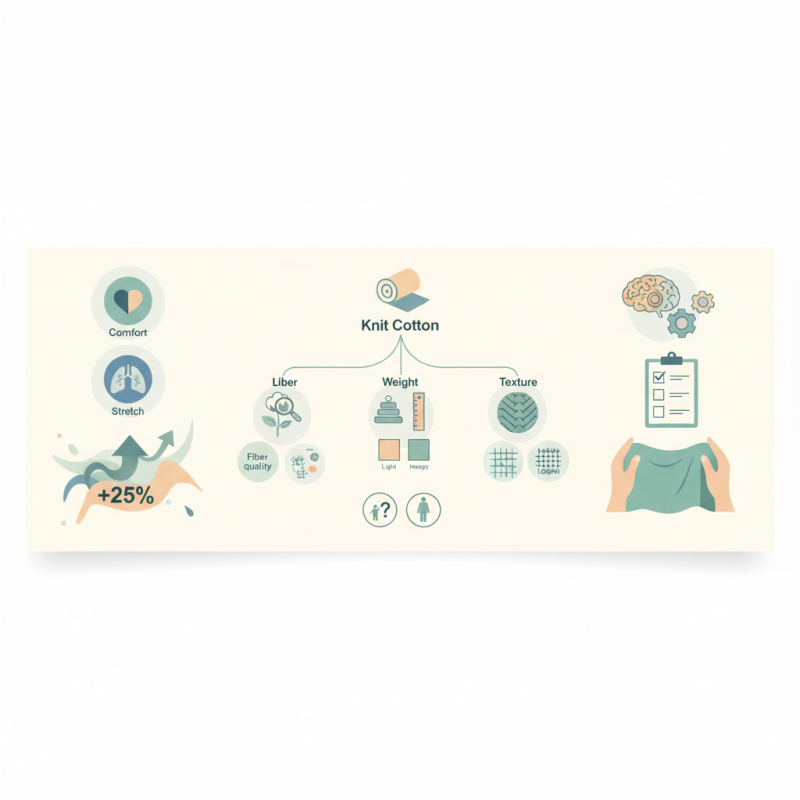
Choosing the right knit cotton fabric can significantly influence the success of your projects. Industry reports indicate that the growing demand for cotton fabrics, particularly knit varieties, has surged by 25% over the past three years. This trend highlights the fabric's versatility and appeal in various applications, from clothing to home textiles.
Knit cotton fabric offers comfort, breathability, and stretch, making it ideal for garments such as t-shirts and activewear. However, not all knit cotton fabrics are created equal. Factors like fiber quality, weight, and texture can make a substantial difference in the final product. Many crafters often overlook these details, leading to unsatisfactory results.
Understanding the specific needs of your project is crucial. Do you require durability or softness? Is the fabric primarily for children or adults? These questions affirm the importance of making informed choices. Recognizing the unique characteristics of knit cotton fabric can elevate your work, but many still grapple with these decisions.
Understanding Knit Cotton Fabric: Types and Characteristics
When selecting knit cotton fabric, understanding its types and characteristics is crucial. Knit cotton is soft, breathable, and stretchy, making it ideal for various projects. The two main types are jersey knit and interlock knit. Jersey knit is lightweight and often used for t-shirts. Interlock knit is thicker, providing more structure and durability. Both types have unique qualities that suit different needs.
Tips: Consider the weight of the fabric. Lightweight knits drape well, while heavier options offer more support. Test the stretch by pulling a swatch; this can help gauge how it will perform in your project. Beware of low-quality fabric. It may feel nice initially, but it can wear quickly and lose its shape.
When choosing your fabric, think about the project’s purpose. A lightweight cotton is great for summer dresses, but heavier cotton is better for sweatshirts. It can also help to check the fabric's care instructions. Fabrics that require hand washing may not be practical for everyday use. Embrace the learning curve in fabric selection; mistakes are part of the creative process.
Key Factors to Consider When Choosing Knit Cotton Fabric
When selecting knit cotton fabric for your projects, several key factors are crucial. Fabric weight is among the first considerations. Lightweight cotton is perfect for delicate garments, while heavier options offer more durability for everyday wear. According to a 2022 textile report, the average weight for knit cotton falls between 150-220 GSM (grams per square meter). Knowing this helps tailor your choice to your needs.
Another important aspect is stretchability. Knit cotton varies in stretch, which influences comfort and fit. Look for fabrics with at least 20% stretch for a snug yet comfortable garment. A survey from a leading fabric analysis group indicates that 45% of sewing enthusiasts prioritize stretch over design. This highlights a trend toward functionality in fabric choices.
Lastly, consider the fabric’s print and color. Patterns can enhance your design, but they may also influence the fabric's stretch and softness. Check how the printing process affects the cotton's texture. Sometimes, prints compromise the original feel. Being aware of these details can lead to informed choices, ultimately enhancing your sewing projects.
Evaluating Fabric Weight and Stretch for Your Project Needs
When choosing knit cotton fabric, it's crucial to evaluate both weight and stretch. Fabric weight impacts the drape and durability of your project. Lightweight knits are often suitable for t-shirts or summer dresses. They flow easily and can create a relaxed silhouette. However, they may lack the support needed for fitted designs. Heavier knits offer more structure and can hold their shape better.
Stretch is equally important. Fabrics with high elasticity allow for movement and comfort, making them perfect for activewear or close-fitting garments. But too much stretch can lead to distortion over time. Consider the type of stretch: four-way stretch offers flexibility in all directions, while two-way stretch only provides it along the grain. Knowing your project’s requirements helps in making informed decisions.
You might find yourself drawn to a beautiful fabric that doesn’t align with your needs. This can lead to frustration during the sewing process. It’s essential to test swatches before committing to a fabric. Sometimes, the weight or stretch just doesn't match your vision. Reflecting on these aspects will lead to better outcomes in your crafting journey. Embrace the learning curve as part of the creative process.
Color, Pattern, and Texture: Aesthetic Considerations in Fabric Selection
When selecting knit cotton fabric, color, pattern, and texture play crucial roles. Colors can evoke emotions and set the project’s tone. For instance, studies show that warm colors like reds and oranges can create energy, while cool colors like blues and greens offer a calming effect. Choosing the right shade can significantly enhance or undermine your fabric's purpose.
Patterns add visual interest. From florals to geometric shapes, patterns are a powerful tool in design. A report by the Textile Foundation indicates that bold patterns are preferred for youth-oriented garments, while subtle patterns appeal to adults. Consider the demographics of your target audience when selecting the fabric's pattern.
Texture is another vital aesthetic consideration. Smooth knits provide a clean look, while ribbed or textured options can add depth. However, not every texture works for all projects. For example, a heavily textured knit might not drape well for certain garments. Test swatches before making a final decision.
Tips: Always be mindful of fabric weight. Heavier knits may require different handling than lighter ones. Don't shy away from experimenting with unexpected combinations; they might surprise you! Check for consistency in dye lots when purchasing to ensure color uniformity.
How to Choose the Best Knit Cotton Fabric for Your Projects?
| Fabric Type | Color Options | Pattern Types | Texture | Best Uses |
| Jersey Knit | Solid, Pastel, Bright | Stripes, Dots, Floral | Soft, Stretchy | T-Shirts, Dresses |
| Interlock Knit | Solid, Dark Colors | Geometric, Plaid | Thick, Durable | Pajamas, Activewear |
| Rib Knit | Neutrals, Brights | Solid, Striped | Elastic, Textured | Sweaters, Cuffs |
| French Terry | Pastels, Jewel Tones | Solid, Graphic | Soft, Slightly Stretchy | Hoodies, Sweatpants |
Sources for Quality Knit Cotton Fabric: Where to Buy and What to Look For
When searching for quality knit cotton fabric, it’s essential to know where to buy and what to look for. Local fabric stores often have knowledgeable staff. They can offer advice on the best fabrics for your project. Online retailers provide a wide selection but can be overwhelming. Read product descriptions mindfully. Look for information on fabric weight and stretchability.
Tips: Always request fabric swatches when shopping online. This can help avoid unpleasant surprises. Pay attention to fabric content. A higher cotton percentage usually means better softness and breathability. Check reviews to gauge durability and feel.
Be aware of the fabric’s care instructions. Some may shrink or lose shape after washing. Always test a sample first if you're unsure. Different projects may require different fabric types. Consider usability, comfort, and the final desired look. Having a clear vision can help you make better choices. A good fabric can elevate your work, while a poor choice can lead to frustration.