

China Best Slim Fit Pique Polo Manufacturer
Choosing a China Best Slim Fit Pique Polo Manufacturer is about more than comparing unit prices. Buyers need to understand how fabric, pattern, and production checks shape the finished shirt. A Slim Fit Pique Polo should follow the body without pulling across the chest or restricting movement. The raised pique texture should feel consistent, while the collar should keep its shape after handling and washing. Small details matter. Uneven seams, twisted side seams, or misplaced buttons can make a polished sample feel ordinary in bulk production.
A capable manufacturer should explain fabric options, size tolerances, sampling steps, and inspection procedures in clear terms. Ask how the factory checks measurements, color consistency, stitching, and fabric shrinkage. Request a sample made with the intended fabric and trims, then compare it with your approved specifications. A neat sample is useful, but it does not guarantee every production piece will match. That is worth remembering. Confirm how changes are documented and how quality concerns are handled before placing a large order. Clear communication can prevent avoidable misunderstandings, especially when fit expectations differ between markets. The best supplier is not automatically the largest or cheapest. It is one that can show relevant experience, answer technical questions directly, and support realistic timelines. Even then, no process is perfect; careful sampling and written checks remain essential.
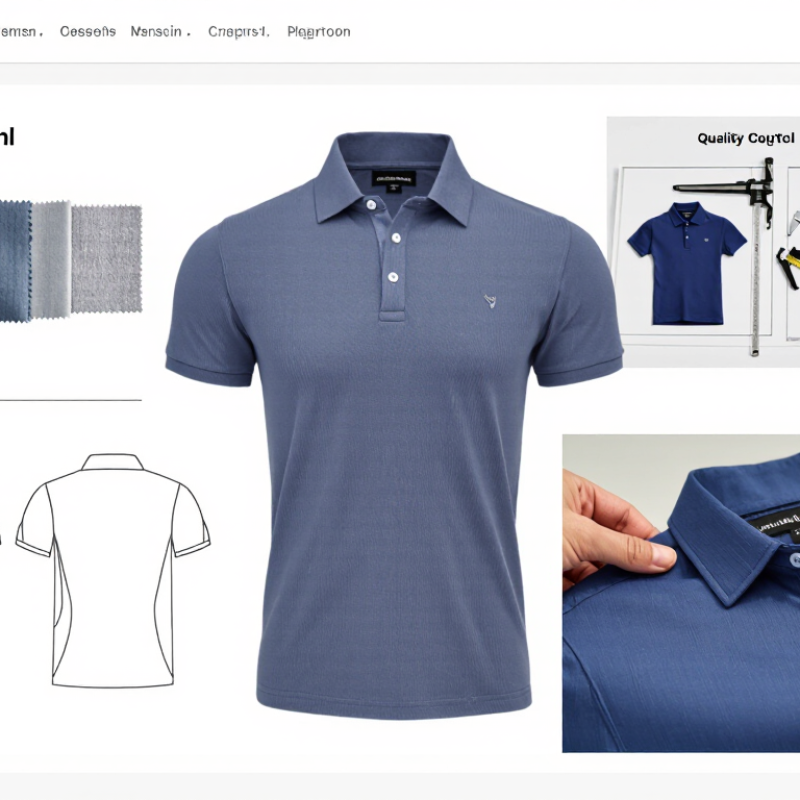
Overview of Slim Fit Pique Polo Manufacturing in China
Slim fit pique polos combine a textured knit with a closer body shape. In Chinese factories, production typically covers yarn selection, knitting, dyeing, cutting, sewing, and inspection. Pique’s raised texture improves airflow, but it can also shrink or twist if finishing is inconsistent. Fit is measurable. Chest width, shoulder slope, sleeve opening, and body length need clear size specifications and sample checks.
Material choices shape both feel and performance. Textile Exchange’s 2024 Materials Market Report estimates global fiber production reached 124 million tonnes in 2023, with polyester making up about 57 percent. This broad market figure is not specific to polo shirts, but it helps explain the common use of cotton-polyester blends. China’s National Bureau of Statistics reported 19.39 billion garments produced by large-scale enterprises in 2023, down 8.7 percent year on year. That figure covers apparel overall, not polos alone.
For buyers, a reliable production review should examine fabric weight, color consistency, collar recovery, and seam strength. Requesting wash-test results and checking a size set can reveal problems before bulk cutting. Small fit changes matter. A narrow sleeve may look sharp on a sample, yet restrict movement in a larger size. Some factories may need extra sampling time to balance silhouette, comfort, and repeatability.
How Pique Fabric Affects Fit, Comfort, and Durability
China Best Slim Fit Pique Polo Manufacturer
Pique’s raised knit texture gives a polo structure, but the fabric alone does not guarantee a slim fit. The yarn, stitch density, and pattern all matter. A firm pique can hold a clean shoulder line and resist clinging across the chest. Too much density, though, may feel stiff on a warm afternoon.
Fiber choice changes the experience. Cotton often feels soft against skin and absorbs moisture, while polyester can dry faster and retain shape. Textile Exchange’s Materials Market Report 2024 estimates global fiber production reached 124 million tonnes in 2023, with polyester making up 57 percent. That figure describes supply, not garment quality. A fabric blend still needs hands-on wear and wash testing.
Check the details. A well-balanced pique should flex when you reach forward, then recover without sagging at the hem. For durability, inspect collar edges, side seams, and the fabric surface after repeated laundering. Even a dense knit can pill or lose color if its yarn or finishing is poor. There is no perfect formula; fit depends on the wearer, and a slim cut may feel restrictive across broad shoulders. Sample the polo in motion, not just on a hanger.
Key Production Stages for Slim Fit Pique Polo Shirts
Slim fit pique polo production starts with fabric inspection, not cutting. A technician checks the knitted surface under steady light for holes, shade variation, and uneven texture. The fabric then rests flat so tension from knitting can relax. This step helps reduce twisting after washing. Small details matter. Pique loops can look consistent on a roll but shift slightly near the edges.
After relaxation, pattern pieces are placed to control stretch direction and fabric use. Slim fit blocks need careful checks at the chest, waist, and sleeve opening. A few millimeters can change how the shirt sits. Operators sew the shoulder seams, attach the sleeves, and shape the side seams before adding the collar and placket. The collar should lie flat, while button spacing must stay even. During production, sample garments are measured and washed to check shrinkage, seam strength, and fit. A production schedule may look precise on paper, yet fabric sometimes relaxes unevenly. That issue deserves another inspection, even when the first sample seems acceptable. Before packing, staff check loose threads, button security, and visible stitching under neutral light.
How to Evaluate a Chinese Pique Polo Manufacturer
Evaluating a Chinese slim-fit pique polo manufacturer takes more than comparing unit prices. Request a current factory profile, knitting capacity, and clear records for subcontracted processes. Ask how the team controls pique texture, collar shape, and shade consistency. Small checks matter. Textile Exchange’s Materials Market Report 2024 estimates global fiber production reached 124 million tonnes in 2023, with polyester making up 57%. This scale makes fiber traceability and blend specifications important questions, even for a simple polo.
Inspect a production sample, not only a showroom piece. Measure chest width, body length, sleeve opening, and collar points against your specification. Then wash the sample and check shrinkage, twisting, pilling, and color change. Request test reports that identify the method, sample, and date; vague “passed” claims are weak evidence. For bulk orders, agree on measurable tolerances for fabric weight and garment dimensions. Samples can mislead. A good first piece does not guarantee consistent dye lots.
Review the manufacturer’s quality checks at fabric inspection, sewing, and final packing. Ask to see defect records and how rejected pieces are handled. Confirm lead times with a written production schedule, including fabric approval and rework. Check whether the factory can share relevant audit documents and material certificates, then verify their scope and expiry. I would not choose on the lowest quote alone; I have seen small specification gaps become costly delays. Allow time for a fit correction before approving bulk production.
China Best Slim Fit Pique Polo Manufacturer - How to Evaluate a Chinese Pique Polo Manufacturer
| Evaluation Dimension | What to Verify | Useful Evidence | Warning Signs |
|---|---|---|---|
| Pique fabric specification | Confirm fiber content, fabric construction, weight, color, and finishing requirements. Specify whether the fabric is cotton, a cotton blend, or another fiber composition. | A written fabric specification, swatches, and a lab report where relevant. Compare the approved sample with bulk fabric before production. | The supplier cannot identify the composition or weight, or proposes substitutions without written approval. |
| Slim-fit pattern and sizing | Review the measurement chart, grading between sizes, shoulder and chest balance, body length, sleeve shape, and intended fit. Define measurement points and tolerances. | A size set or fit sample measured against the buyer’s specification, plus a documented fit-review record. | Fit is described only as “slim” without a measurement chart, or sample measurements differ from the approved specification. |
| Sample development | Ask how the supplier handles prototype revisions, fabric and trim approval, sample charges, and sample timing. Agree on approval stages before bulk production. | A sample plan, dated sample records, and a sealed or otherwise clearly identified approved reference sample. | Bulk production is proposed before fit, fabric, color, and construction have been approved. |
| Construction quality | Inspect collar shape, placket alignment, button attachment, seam consistency, hems, labels, and loose threads. Check whether details match the tech pack. | A finished sample, clear construction details, and a documented in-line and final inspection process. | Visible puckering, uneven seams, misaligned plackets, weak button attachment, or inconsistent workmanship between samples. |
| Color and appearance consistency | Set a physical color standard and check shade consistency across fabric lots and garment panels. Clarify how color approvals are recorded. | Approved lab dips or fabric swatches, batch identification, and inspection under agreed lighting conditions. | Color is approved only from screen images, or different batches are mixed without a shade check. |
| Testing and durability | Identify the tests needed for the destination market and product claims. Depending on requirements, testing may cover dimensional change after washing, colorfastness, pilling, or restricted substances. | Relevant test reports for the specified fabric or finished garment, with the tested material and methods clearly identified. | Reports are outdated, relate to a different material, or are presented without enough information to verify their scope. |
| Quality control process | Ask how incoming materials, production stages, finished garments, and packing are checked. Agree on defect definitions and inspection criteria in the purchase documents. | Written inspection procedures, sample inspection records, and corrective-action documentation where available. | Quality checks are described as informal, or defects and remedies are not discussed before ordering. |
| Production capacity and schedule | Confirm available capacity for the requested styles, colors, and size breakdown. Ask for a schedule covering material sourcing, sampling, bulk production, inspection, and shipment. | A production plan, realistic lead-time assumptions, and updates against agreed milestones. | A guaranteed delivery date is offered without checking fabric availability, order details, or production workload. |
| MOQ and order flexibility | Ask for minimum order quantities by style, color, and fabric. Confirm whether size ratios or multiple colorways affect the minimum. | A written quotation showing MOQ assumptions, unit pricing, sample costs, and any charges for smaller runs. | The quotation does not explain which order details the MOQ or price depends on. |
| Compliance and traceability | Define applicable destination-market, chemical, labeling, and social-compliance requirements. Verify which facility and products are covered by any certificates or audit records. | Current, verifiable documents with matching facility details and scope; material and production records where required. | Certificates are shown without scope or validity details, or the stated production site cannot be confirmed. |
| Communication and documentation | Check whether the supplier can work from a tech pack, confirm changes in writing, and provide clear production and shipment updates. | A complete quotation, purchase-order confirmation, approved specifications, and a named contact for production follow-up. | Important specifications are agreed only in informal messages or are repeatedly misunderstood. |
Evaluation note: Requirements, testing methods, tolerances, minimum quantities, and delivery schedules should be agreed for the specific product and destination market. No single specification or lead time applies to every manufacturer or order.
Customization, Quality Control, and Export Considerations
A slim-fit pique polo depends on more than a narrow pattern. Buyers should confirm chest, shoulder, and body measurements against a sample worn during movement. A few centimeters can change the fit noticeably. Customization may include collar shape, placket length, sleeve opening, and embroidered placement. Provide artwork in a clear file and approve a physical sample before bulk production. Pique fabrics also vary in weight and texture, so request a fabric swatch before choosing colors.
Quality control works best when checks happen at several stages. Inspect fabric for shade differences, holes, and uneven texture before cutting. During sewing, review collar symmetry, seam strength, and button spacing. Then measure finished polos from a consistent point on each garment. Keep one approved sample as a reference. This helps, but it does not remove every judgment call; fit preferences can differ between markets.
Export planning should account for carton dimensions, garment folding, labeling, and shipment schedules. Confirm destination-specific documentation and labeling needs with your logistics provider before packing. Share the delivery window early, especially when production includes custom trims or several colorways. Small delays can happen. Clear records of approved materials, measurements, and inspection results make communication easier when questions arise. A practical manufacturer will explain limits honestly rather than promise that every batch will be identical.