China Top 10 Cake Modeling Gummy Candy Manufacturers
Cake Modeling Gummy Candy sits at the intersection of confectionery, playful design, and production precision. Buyers may want soft, brightly colored gummies shaped like tiny cakes, layered desserts, or miniature pastries. Making them consistently takes more than an attractive mold. Texture, flavor, color stability, and clean release from the mold all matter.
MarketsandMarkets estimated the broader global gummies market at USD 23.5 billion in 2023 and projected it to reach USD 40.2 billion by 2028, an estimated compound annual growth rate of 11.3%. This figure covers a wider gummy category, not cake-shaped candy alone. Still, it signals a large and evolving market. The distinction matters.
This guide introduces ten Chinese manufacturers to help buyers compare capabilities, rather than treat a list as a quality guarantee. Look for clear product specifications, sample consistency, documented quality controls, and experience with custom shapes. Ask how a supplier manages color matching, mold detail, and production at scale. A glossy sample can still hide uneven layers or fragile details. No ranking replaces direct verification. Some details are easy to miss. Use the comparison as a starting point, then confirm each manufacturer’s current capacity and product suitability before making a decision.
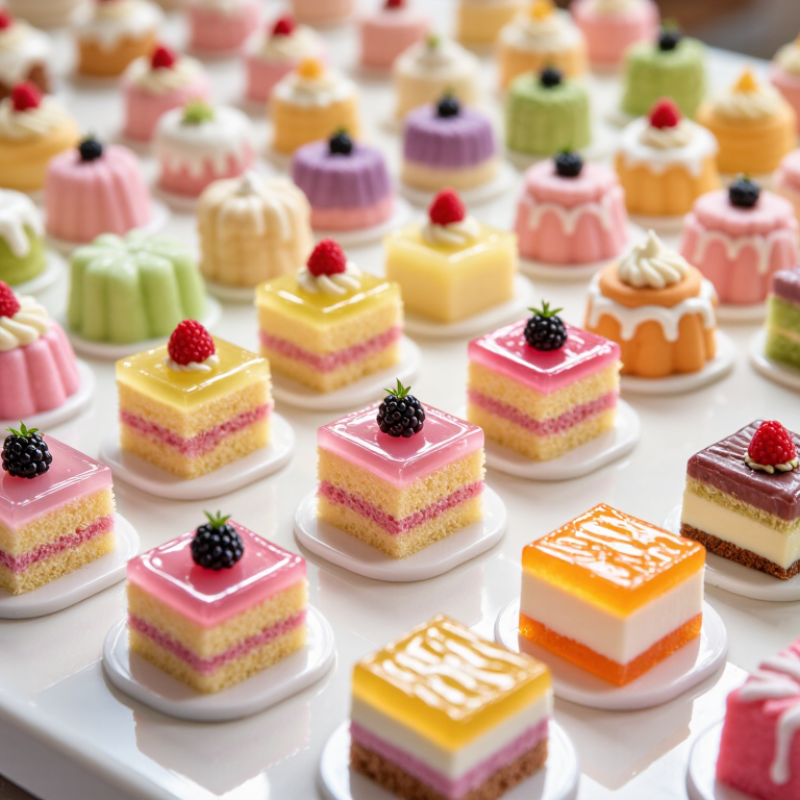
What Cake Modeling Gummy Candy Is and How It Is Used
Cake modeling gummy candy is a soft, edible confection that can be shaped into cake decorations. Unlike firm fondant, it stays chewy and may feel slightly springy between the fingers. Recipes and commercial formulations vary; some use gelatin, while others rely on pectin or different gelling agents. Small details matter.
A decorator can pinch off a piece, flatten it, and shape it into petals, bows, berries, or playful figures. A small silicone tool or clean toothpick helps press in eyes, folds, and surface lines. For example, thin petals can be layered around a cupcake topper, while a thicker shape is less likely to tear during handling. Keep unused pieces covered, since air can make the surface tacky or firm. Warm hands soften it.
The material is best for accents rather than load-bearing structures. A gummy figure may slowly bend on a warm cake, and fine edges can lose definition. Not always predictable. Let shaped pieces rest briefly before placing them, then keep the finished cake cool and dry. Use clean tools and check ingredient information for dietary needs. The finish may look a little uneven, which is worth noticing: gummy candy does not behave exactly like modeling paste.
How China’s Gummy Candy Manufacturers Are Evaluated
Evaluating a cake modeling gummy candy manufacturer takes more than comparing catalog photos. The candy should bend cleanly, hold small details, and resist sticking during handling. Ask for samples in the intended colors and shapes. Press a piece gently, then check whether it keeps its edges after a few minutes. Small tests reveal useful differences.
Production controls matter just as much. Review ingredient specifications, batch records, allergen procedures, and traceability documents. Ask how the factory checks weight, color, texture, and shape across production runs. A sample can look excellent, while a larger batch varies. That gap deserves attention. No scorecard is perfect.
Packaging and communication also affect reliability. Check whether sealed packs protect gummies from moisture and compression during shipping. Request clear information about minimum order quantities, customization limits, lead times, and how defects are handled. If possible, compare a pre-production sample with goods from a later run. I would not rely on polished promises alone; documented checks and candid answers carry more weight. Even then, assessments can miss issues, so leave room to revise the criteria.
Profiles of 10 Leading Chinese Cake Modeling Gummy Candy Manufacturers
Profiles of ten Chinese cake modeling gummy candy manufacturers are most useful when they compare production strengths, not just catalog size. This overview is not a verified ranking. It focuses on practical differences buyers can investigate. Some producers specialize in flexible molds for tiny flowers and bows. Others offer custom colors, layered shapes, or gummy pieces designed to sit on celebration cakes. Small details matter: clean edges, consistent thickness, and pieces that hold their shape after packaging.
The profiles also consider recipe development, sample turnaround, and production checks. A capable supplier should explain how it tests texture, color consistency, and packaging protection. Ask for current samples. Inspect them under ordinary room lighting, not only polished product photos.
Some manufacturers may handle detailed shapes well but have limited options for smaller orders. Others may offer more flexibility, with longer lead times. That trade-off deserves attention. Buyers should confirm specifications and timelines directly, since capabilities can change and a profile alone cannot verify performance. A slightly uneven petal may seem minor, yet repeated defects can affect a full cake display.
How Gummy Candy Is Made and Quality Is Assessed
Making cake-modeling gummy candy begins with a measured blend of sugar, glucose syrup, water, and a gelling ingredient. The mixture is heated until it reaches a controlled concentration, then flavor and color are added. Small temperature changes can affect firmness, so operators monitor the cooking stage rather than relying on appearance alone. Details matter.
The warm mixture is deposited into food-grade molds shaped like tiny cakes, bows, or layered decorations. After setting, pieces are removed and may be lightly coated to reduce sticking. Cooling time must be consistent: rushed cooling can leave soft centers, while excessive drying may make the surface tough. Decorative layers also need to hold their shape during packing and transport.
Quality checks should cover more than taste. Staff can inspect color consistency, shape, surface defects, weight, and texture across samples from each production run. A texture test may compare how easily a gummy compresses and returns to form. Basic hygiene controls and documented batch checks help make results traceable. Still, appearance is not proof of quality; a neat cake-shaped gummy can hide uneven texture inside. Small imperfections deserve review, not automatic dismissal. Rechecking the process can reveal whether a flaw came from mixing, molding, or storage.
How to Compare Manufacturers and Select a Supplier
Compare manufacturers on repeatability, not catalogue photos. Request three production samples and check mold release, edge detail, color consistency, and whether thin cake decorations sag after 24 hours. Ask for weight tolerance, shelf-life validation, ingredient specifications, allergen controls, and batch traceability. A tiny flower may look crisp in a sample, then lose its shape in warm transit. Test it.
Food safety deserves equal weight. The World Health Organization estimates that unsafe food causes 600 million illnesses and 420,000 deaths worldwide each year. That is a serious reason to verify documented hygiene controls, not just accept a sales claim. Ask whether the factory uses a recognized food-safety management system, how it monitors microbial risks, and whether audit records can be reviewed. Confirm that color and texture specifications match the destination market’s requirements.
Then compare practical supply terms: minimum order quantity, lead time, packaging protection, sample charges, and the process for handling defects. Request a written specification and a pre-shipment inspection plan. Do not assume a low quote includes custom molds or replacement stock. A supplier that answers slowly may still produce well, but that uncertainty should be recorded and discussed. No sample is perfect. The useful question is whether the manufacturer can explain each variation and control it across repeat orders.