

How to Buy 99% Pure Sodium Ascorbyl Phosphate Powder in 2026

Buying 99% Pure Sodium Ascorbyl Phosphate Powder in 2026 takes more than comparing prices. The purity claim is a starting point, not a complete quality assessment. Cosmetic chemist Perry Romanowski’s formulation-focused work supports a practical principle: check the full specification, not only the headline assay. This is a paraphrase, not a direct quotation.

Ask suppliers for a current certificate of analysis tied to the specific lot. Check that it identifies sodium ascorbyl phosphate and reports assay results, test methods, and relevant impurity limits. Then compare the document with the product specification. A polished PDF is not enough if it lacks a lot number or clear testing details.

Look closely at the packaging, too. A sealed, moisture-resistant container helps protect a fine powder during storage and transport. Request storage guidance, shelf-life information, and a small sample when available. Keep the sample’s label and lot details; they make later comparisons more reliable. Small details matter.

Price still matters, but unusually low offers deserve careful questions. Confirm minimum order quantities, lead times, shipping conditions, and whether the seller can provide consistent documentation for repeat orders. A powder that looks white and uniform cannot prove its identity or purity by appearance alone.

Some suppliers may not share every detail immediately. That is worth noting, though it does not automatically prove poor quality. In this guide, we’ll examine how to assess supplier evidence, compare offers, and make a more informed purchase of 99% Pure Sodium Ascorbyl Phosphate Powder in 2026.
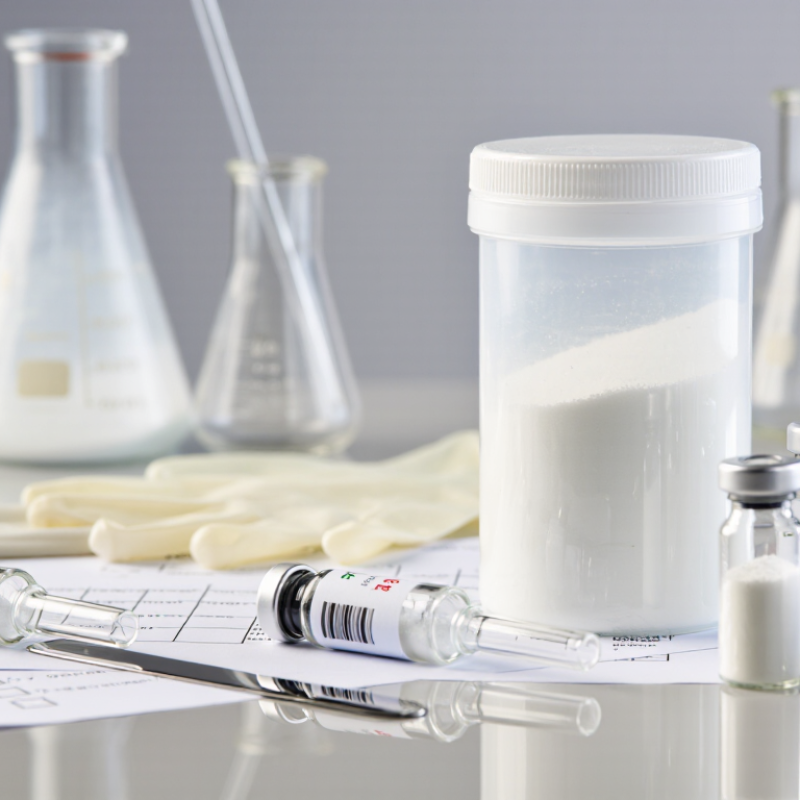
How to Buy 99% Pure Sodium Ascorbyl Phosphate Powder in 2026

Understanding 99% Pure Sodium Ascorbyl Phosphate Powder

Understanding 99% Pure Sodium Ascorbyl Phosphate Powder

Sodium ascorbyl phosphate (SAP) is a water-soluble vitamin C derivative used in cosmetic formulations. “99% pure” is a specification, not proof of consistent quality. Ask for a batch-specific certificate of analysis showing the assay method and result. Check that the document also identifies the material and reports relevant limits, such as moisture and contaminants. Small details matter.

Compare how suppliers report the assay. A result measured on a dry basis may differ from one measured as received. Review the safety data sheet, storage guidance, and shelf life, too. SAP powder should generally be kept sealed and dry; damp clumps can signal poor storage, though they do not confirm a failed batch. Request a small sample when practical, then assess how it disperses in your intended formula. Finished-product performance depends on the full formulation, including pH and processing. A high assay alone cannot predict it.

Tips: Match the lot number on the certificate to the package. Ask for clarification when test methods or specifications are missing. Don’t rely on a sales description alone.

Defining Your Required Grade, Application, and Specifications

Before buying 99% sodium ascorbyl phosphate, define the application: a water-based serum, dry blend, or laboratory evaluation. These uses need different particle sizes, solubility, and documentation.

A published clinical study evaluated a 5% sodium ascorbyl phosphate formulation for acne-prone skin; that is a useful formulation reference, not a universal target. The Cosmetic Ingredient Review’s safety assessment also evaluates ascorbyl phosphate esters in the context of cosmetic use and exposure.

Grade alone does not establish suitability.

Ask suppliers whether the 99% assay is reported on an as-is or dry basis. Request a recent certificate of analysis with test method, moisture, identity, heavy metals, and microbial limits.

For a serum, check dissolution time and finished-product pH stability; a clear sample in a beaker may still discolor during storage. For powders, request particle-size data and sealed, moisture-protective packaging.

Small details matter.

I would still hesitate before accepting “cosmetic grade” without measurable limits. Compare the specification with your intended process, then test a small batch under real storage conditions.

A precise assay number is reassuring, but it is not the whole specification.

Evaluating Suppliers and Reviewing Quality Documentation

For a 99% pure sodium ascorbyl phosphate powder, ask suppliers to define “99%” clearly. It may refer to an assay on a dry basis, not the powder as received. Request a batch-specific certificate of analysis with the test method, actual result, and release date. Check identity testing, moisture, and relevant impurity limits. Ask whether the laboratory is ISO/IEC 17025 accredited for the methods used. A generic specification sheet is not batch evidence.

The ISO Survey 2022 reported 1,265,216 valid ISO 9001 certificates across 189 countries. This shows how widely quality-management systems are used, but certification alone does not verify a powder’s purity. Review traceability records, manufacturing controls, and change-notification practices. Still, paperwork can look cleaner than reality. Compare the certificate with a recent independent test when the purchase volume or risk warrants it.

Tips: Match the lot number on the certificate, label, and shipping records. Ask for the assay basis and method in writing. Not enough? Request sample results before placing a large order. Keep a retained sample and record packaging condition on arrival; damp or damaged seals deserve follow-up.

Verifying Purity, Safety, and Regulatory Compliance

When buying 99% pure sodium ascorbyl phosphate powder in 2026, request a batch-specific certificate of analysis, not a generic product sheet.

Check the assay result, test method, lot number, and testing date. Ask whether the reported purity is calculated on an as-is or dry basis; that detail can change how a result reads. A high percentage alone is not enough. Review limits and results for relevant impurities, such as heavy metals and residual solvents, and confirm the laboratory’s qualifications. Keep the supplier’s specification, certificate, and batch records together. Small document mismatches deserve a follow-up.

Review the safety data sheet and handling guidance before purchase.

Confirm suitable packaging, storage conditions, and shelf life; moisture and heat may affect powder quality. Check that the paperwork supports your intended cosmetic use and meets requirements in the markets where the finished product will be sold. Requirements vary. Ask for traceability and a process for reporting quality issues. On receipt, inspect the sealed container and compare its lot code with the documents. If a result or document seems unclear, pause and ask for clarification. Paperwork reduces uncertainty, but it cannot replace appropriate formulation and safety assessment.

Comparing Prices, Placing an Order, and Planning Storage

How to Buy 99% Pure Sodium Ascorbyl Phosphate Powder in 2026

Compare quotations on delivered cost per kilogram, not the headline price. Include freight, duties where applicable, minimum order quantity, and packaging in your calculation. Ask for a recent certificate of analysis showing assay, test method, batch number, and retest or expiry date. Check whether “99%” refers to an as-is assay or a dry-basis result; the difference can affect comparisons. Request a small sample when practical. A low quote is not automatically a bargain.

Before ordering, confirm lead time, payment terms, and whether the supplier can provide batch-specific documents. Check that the package is sealed, clearly identified, and suitable for protecting the powder from moisture and light. Keep the unopened material in its original container, in a cool, dry place, and follow the supplier’s storage instructions. Small details matter.

ICH Q1A(R2), its stability-testing guidance, uses 40°C and 75% relative humidity as an accelerated-testing condition for six months.

This is a testing benchmark for pharmaceutical stability work, not a guaranteed storage rule for every cosmetic ingredient.

Plan storage before the shipment arrives: record the lot, receipt date, and storage location, then limit repeated opening. Use clean, dry tools and reseal the container promptly. Ask the supplier for material-specific stability or handling information, since general guidance cannot predict every package’s performance. I would also review the documents again after delivery; it is easy to overlook a mismatch between the label and certificate when a shipment is busy.