Best Trade Show Booth Rental Alternative in China?
A rented booth can be convenient for one event, but repeated fees may add up. Design choices can also feel limited. For brands exhibiting regularly, a Trade Show Booth Rental Alternative in China may be a reusable modular booth built for transport, storage, and later reconfiguration. It can include aluminum frames, printed graphics, counters, and display shelves. Practical details matter. A booth that looks polished in a rendering may be awkward to pack or assemble on a busy show floor.
The right option depends on your event schedule, booth size, and shipping plan. Ask suppliers for dimensioned drawings, material specifications, packing details, and clear assembly instructions. Request photos or videos of completed projects, not only concept images. Confirm what the quoted price includes, such as lighting, graphics, crates, and installation support. Small omissions can change the real cost. For a first project, a simple modular layout may be easier to reuse than a complex custom structure. Still, ownership is not automatically cheaper; storage, freight, maintenance, and graphic updates need to be included in your comparison. Ask how replacement parts are sourced, too. A careful supplier should explain both strengths and limitations, rather than promise effortless savings. The best alternative is the one your team can assemble, transport, and use again with confidence. That takes planning. And honest comparison.
What Is a Trade Show Booth Rental Alternative in China?
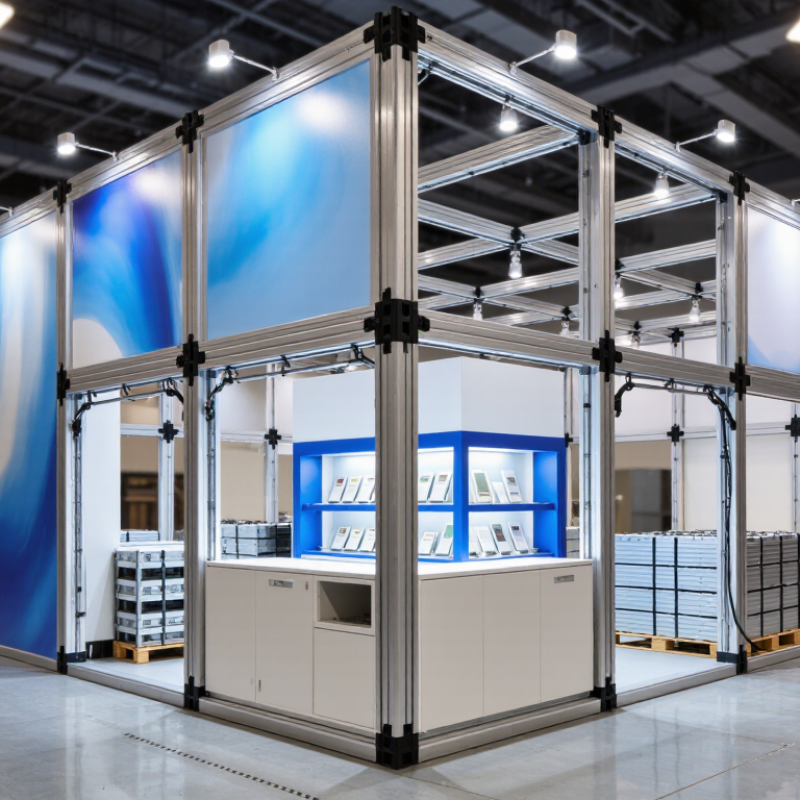
A trade show booth rental alternative in China is usually a reusable exhibit system that a company buys or commissions instead of renting a complete booth for each event. It may use aluminum frames, replaceable fabric graphics, counters, shelves, and modular lighting. Panels can be packed into cases and reconfigured for different floor plans. The key difference is ownership: the exhibitor keeps the components and arranges storage, shipping, setup, and maintenance. That matters.
For companies attending several exhibitions, this approach can reduce repeated rental charges and keep the booth appearance consistent. A practical specification should include booth dimensions, venue requirements, packing size, replacement parts, and installation instructions. Ask for drawings and a component list before production, then confirm how damaged graphics or missing hardware will be handled. A sample panel can help check color and material quality. Small details matter.
It is not automatically cheaper. Freight, customs handling, storage, and local labor can outweigh savings when events are infrequent or held far apart. Reusable systems also need careful packing; one bent connector can delay setup. Compare the full cost over several shows, not just the initial quote. I would treat projected savings cautiously until shipping and service costs are confirmed.
Best Trade Show Booth Rental Alternative in China?
Compare rental with two common ownership alternatives: reusable modular exhibits and custom-built booths.
How to read this: Scores use a qualitative 1–5 scale, where 1 is low and 5 is high. They describe typical planning trade-offs—not measured market data or supplier quotes. Rental generally means less exhibitor storage responsibility; owning a modular or custom booth can increase reuse potential but requires more upfront investment and storage planning. Actual costs and arrangements vary by booth design, event, venue, and service scope.
Which Booth Solutions Can Replace Traditional Rentals?
Best Trade Show Booth Rental Alternative in China?
Which Booth Solutions Can Replace Traditional Rentals?
A modular booth system can replace a one-time rental when a company exhibits several times a year. Aluminum frames, fabric graphics, and lockable counters pack into reusable cases. The layout can change for a corner space or a smaller floor plan. This works well when dimensions stay fairly consistent. But it is not automatically cheaper; storage, shipping, and repairs add up. A scratched frame can also make a polished display look tired.
Another option is a hybrid booth: buy the reusable structure, then rent furniture, lighting, or screens locally. For a single event, lightweight display kits may be easier to ship and assemble. Custom-built booths offer a distinctive look, but they require more planning and can be harder to reuse. Ask suppliers for material details, packing dimensions, assembly instructions, and a written list of what is included. Check venue rules before approving the design.
Tips: Request a small sample of the printed fabric and test one frame connection before ordering. Keep a spare connector. It sounds minor, but missed parts can delay setup. I would also compare the full cost across two or three shows, not just the first quote.
How Do Booth Alternatives Differ in Cost, Design, and Reuse?
For a China show, the main alternatives are a locally built rental booth, a modular system, or a hybrid: rent the structure and buy reusable graphics or counters. Rental usually limits upfront spending and storage needs, but custom finishes, shipping, installation, and late changes can raise the final bill. Ask for an itemized quote. A low headline price can hide costly details.
Design should follow the job, not just the floor plan. Modular frames suit repeated events and quick layout changes; custom rentals allow more distinctive lighting, storage, and visitor flow. CEIR research has reported that 81% of trade show attendees have buying authority, making clear product displays and usable meeting space more than decoration. Reuse changes the cost equation: a purchased modular frame may pay off across several shows, while rented structures avoid warehousing and upkeep. One awkward point: reusable graphics can look tired after repeated transport. Check replacement costs, material durability, and who handles repairs before choosing. I would compare total costs across planned events, not just the first booth quote.
What Factors Matter When Choosing a China-Based Booth Solution?
Choosing a China-based booth solution starts with a clear scope. Compare rental, purchase, and hybrid options against your show schedule and reuse plans. A low quote may exclude freight, installation, lighting, or storage. Ask for an itemized estimate. Small details matter.
Review the supplier’s production process, not just polished renderings.Request material samples, workshop photos, and a written timeline with approval dates. Confirm who handles packing, customs paperwork, delivery, and on-site installation. If your booth includes screens or custom lighting, ask how equipment is tested before dispatch. Clear answers build confidence; vague promises do not.
Communication deserves equal attention. Agree on a single contact, response times, and a method for approving drawings across time zones. Check whether the team can explain technical changes in plain English. Ask about backup parts and what happens if a shipment or installation runs late. A site visit can help, but it is not always practical. No checklist catches everything. I would also leave room in the budget for small revisions; plans rarely survive every measurement unchanged. Read the payment terms and cancellation conditions carefully before approving production.
How Can Businesses Evaluate Suppliers and Plan Booth Logistics?
A rental booth can reduce storage and reuse costs, but the supplier still needs to deliver a complete, workable plan. Ask for a written scope covering booth size, materials, lighting, graphics, furniture, installation, and dismantling. Request recent project photos and a sample schedule, not just polished renderings. Details matter. Compare itemized quotations so you can see whether transport, labor, and revisions are included.
Check how the supplier handles design changes and production checks. Ask who approves drawings, when samples are available, and how damaged or missing parts are reported. A clear contact person matters when deadlines tighten. References from similar projects can help, though one glowing testimonial is not enough. Look for consistent evidence across several projects.
Plan logistics backward from the exhibition opening. Confirm venue delivery windows, booth access, freight arrangements, and the time needed for installation. Label cartons by booth zone, and keep a simple inventory with photographs. Allow breathing room. A delayed shipment or late graphic correction can disrupt the schedule, even with a capable supplier. Build in a buffer, and agree on escalation steps before production starts. Some details will still be missed; a short post-show review can make the next rental easier to manage.