

10 Best Mountain Bike Elbow Pads for Every Rider?

Choosing Mountain Bike Elbow Pads is about more than adding armor. A pad must stay over the elbow when you reach for the bars, bend through a switchback, or slide across dusty ground. It also needs to feel comfortable after an hour of climbing. Small details matter: grippy cuffs, flexible panels, and seams that do not rub.

The U.S. Consumer Product Safety Commission’s 2022 National Electronic Injury Surveillance System estimated roughly 425,000 emergency-department visits involving bicycles. That figure covers bicycle injuries broadly; it does not isolate mountain biking or elbow injuries. It is useful context, not proof that elbow pads prevent a particular injury. Standards also require careful reading: EN 1621-1 evaluates impact protectors for motorcycle use, so a rating alone does not establish how a pad performs on a mountain-bike trail.

Physician and protection designer Dr. Chris Leatt offers a relevant design perspective. In paraphrase, his work points to a simple rule: protective gear should let riders move naturally. Comfort is not a luxury. It can be the reason a rider keeps pads on. Still, no single model suits every arm, climate, or trail. The picks ahead compare coverage, fit, ventilation, and closure systems, while recognizing that sizing charts can miss real-world differences. Try pads with your riding jersey, bend your arm, and check whether the armor stays centered. A few minutes of testing helps. This guide weighs practical trade-offs rather than promising a crash-proof ride.
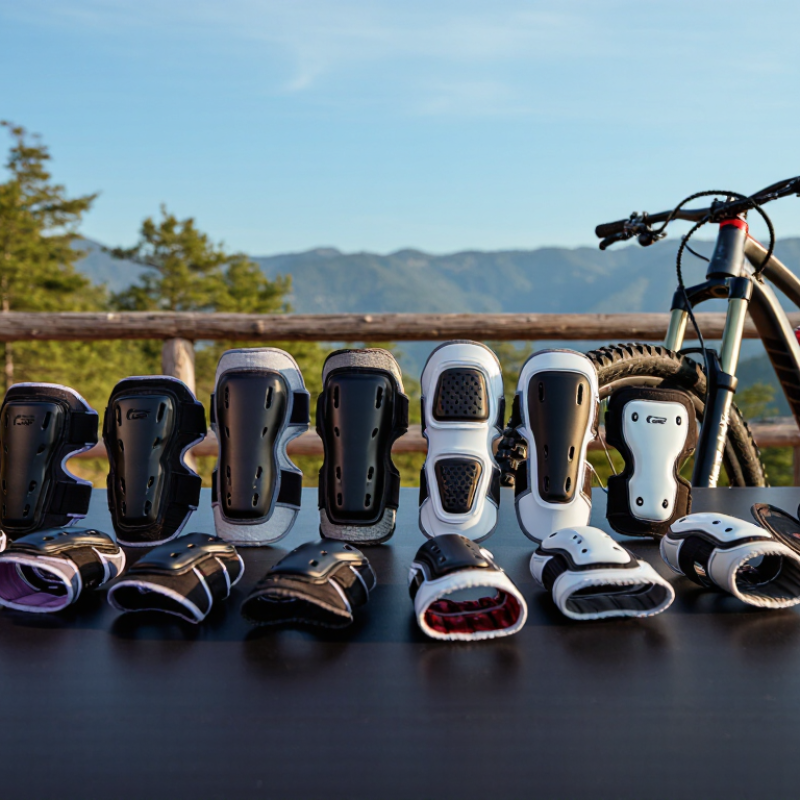
10 Best Mountain Bike Elbow Pads for Every Rider?

What Mountain Bike Elbow Pads Protect and How They Work

Mountain bike elbow pads create a protective layer between your skin and the trail. Most use impact-absorbing foam, sometimes paired with a tougher outer panel. When your elbow hits the ground, the foam compresses and spreads some of the force across a wider area. The outer fabric can also reduce scrapes from dirt, gravel, and rough rock. It helps, but it is not armor.

Fit matters. A pad should cover the point of your elbow and stay in place as you bend your arm. If it slides toward your wrist while gripping the handlebar, it may leave skin exposed during a fall. Snug sleeves or adjustable straps help limit movement, while breathable fabric can make long climbs more comfortable. Check that the pad does not pinch when you reach forward. Small details matter.

Protection has limits. Pads can reduce abrasions and soften some impacts, but no design can guarantee protection from fractures or serious injury. On a rocky descent, a low-speed tumble may leave a bruise; a hard collision can overwhelm the padding. Some riders also find elbow pads hot or restrictive at first. That trade-off deserves a real test ride, not guesswork.

Key Features to Compare When Choosing Elbow Pads

When comparing elbow pads, start with impact protection, then check how the pad stays in place. EN 1621-1:2012, a technical standard for limb protectors, sets a maximum average transmitted force of 35 kN for Level 1 and 20 kN for Level 2. It was developed for motorcycle protection, not specifically mountain biking, so treat the rating as one useful comparison—not proof a pad suits every trail. Check the product’s exact certification and coverage. A hard shell may slide over rocks, while a flexible pad can feel easier to pedal in.

Fit matters on the bike. Bend your arm as if gripping handlebars; the pad should cover the elbow without pinching or exposing the joint. Walk, pedal, and reach forward before buying. No slipping. Look for broad straps or a shaped sleeve, plus fabric that breathes during slow climbs. Seams and edges should sit away from pressure points. A pad that feels secure in a shop can shift after sweat and repeated arm movement; sizing charts alone miss that. Compare weight, ventilation, abrasion-resistant panels, and how easily the pad moves with your arm. More protection can also mean more heat, and that trade-off is easy to underestimate.

Types of Elbow Pads for Different Riding Styles

Types of Elbow Pads for Different Riding Styles

Elbow pads should match both the trail and your pedaling effort. Cross-country riders often prefer slim, flexible sleeves with light padding. They breathe well on long climbs and stay comfortable under a jersey, but offer less coverage during hard impacts. Trail riders may suit soft, slip-on pads with reinforced outer panels. These balance movement and protection for roots, rocks, and occasional falls. For enduro or downhill riding, look for broader coverage and impact-resistant inserts. They can feel warmer, especially on steep climbs.

No pad is perfect.

Fit matters as much as pad type.

The sleeve should stay in place when you bend your arm, without pinching behind the elbow. Try a few minutes of movement before a ride; a pad that slides toward your wrist can leave the joint exposed. Sizing charts help, but arm shapes vary. That detail is easy to overlook.

Tips: Check that the pad covers the elbow when your arm is bent. Test it with your usual jersey. If it bunches or restricts your reach, try another fit. A little extra protection is not useful if you keep taking it off.

The 10 Best Mountain Bike Elbow Pads for Every Rider

The 10 best mountain bike elbow pads should suit different trails, riding styles, and comfort needs. A lightweight sleeve may feel better on hot climbs, while a longer, more protective pad can make sense on rocky descents. Look for secure cuffs, flexible materials, and padding that covers the elbow without restricting your bend. Fit matters more than a dramatic product description. If a pad slips when you reach for the bars, it may not protect the area you expect.

Tips: Try pads in your riding position. Bend your arms, grip the bars, and check for pinching behind the elbow. Wear them for a few minutes; pressure points can show up quickly. Keep the care label, too, since sweat and washing can affect fit over time.

There is no perfect choice for every rider. A cross-country rider may prioritize low weight and airflow, while a downhill rider may prefer broader coverage. Check whether the pad stays in place under your jersey and whether its materials suit your climate. Hard shells can feel reassuring, but they may be less comfortable on long rides. Soft pads can move more naturally, though coverage and impact protection vary. Be skeptical of one-size-fits-all claims. Even a well-reviewed pad can feel wrong on your arms.

10 Best Mountain Bike Elbow Pads for Every Rider

Rider speed and kinetic energy: a safety context for choosing elbow protection

Energy is calculated using E = ½mv² for a 75 kg rider. It represents the rider’s total kinetic energy, not the energy transferred to an elbow in a crash or the protection provided by any pad.

How to Choose, Fit, and Maintain Your Elbow Pads

Choosing elbow pads starts with the kind of riding you actually do. For mellow trails, lighter sleeves may feel less restrictive. On rocky descents, pads with broader coverage can help shield the elbow and nearby forearm. Look for materials that bend easily but resist slipping when you sweat. A pad that feels protective in your hands may still be uncomfortable on the bike.

Fit matters. With your arm relaxed, the pad should cover the point of your elbow. Bend your arm and reach for the bars; it should stay in place without pinching or cutting off movement. Try it under your riding jersey, too. After a dusty ride, brush off grit and let the pads air-dry fully. Follow the care label before washing, since heat can affect some protective materials. Check the stitching, straps, and padding for tears or hard, flattened spots. Replace damaged pads rather than trusting them for another rough ride. Small details count. I’ve found that riders often focus on coverage and overlook comfort; that can leave good pads sitting unused in a gear bag.

10 Best Mountain Bike Elbow Pads for Every Rider? - How to Choose, Fit, and Maintain Your Elbow Pads
Pad Type Best For Protection and Coverage Fit and Comfort Check Trade-Offs Care and Maintenance
Lightweight Sleeve Cross-country riding, long climbs, and riders who prefer minimal bulk. Usually offers a close-fitting abrasion-resistant panel with limited padding; coverage varies by design. Choose a snug sleeve that stays in place without numbness, pinching, or restricted arm movement. Breathable and easy to carry, but generally offers less impact coverage than more substantial pads. Air-dry after rides and wash according to the care label; inspect seams and fabric for wear.
Flexible Foam Pad Trail riders seeking a balance of mobility and cushioning. Foam padding covers the elbow area; protection depends on the pad’s construction and coverage. Bend and straighten your arm while wearing it. The pad should remain centered over the elbow. More cushioning than a simple sleeve, though warmth and bulk can vary. Remove or open the pad for cleaning if the design allows; let it dry fully before storage.
Extended-Coverage Trail Pad Technical trail riding where extra coverage around the elbow and upper forearm is useful. Longer panels can cover more skin, but coverage and impact protection differ between designs. Check that the extended panel does not bunch at the wrist or pull down when your arm is bent. Added coverage can feel warmer and may restrict movement if the fit is poor. Clean dirt from fabric and closures after muddy rides; follow the label for washing and drying.
Hard-Shell Elbow Pad Downhill, bike-park, and rough-terrain riding where a durable outer surface is preferred. A rigid outer shell can help resist abrasion; it does not eliminate the risk of injury. Make sure the shell covers the elbow when your arm is in your usual riding position and does not shift. Often bulkier and warmer than soft pads; confirm that it works with your jersey and riding posture. Wipe the shell clean and inspect it for cracks; check straps and fasteners before each ride.
Strap-Secured Pad Riders who want adjustable retention or find pull-on sleeves difficult to put on. Protection varies by padding and shell design; straps mainly help keep the pad positioned. Adjust straps so the pad stays put without cutting into your skin or limiting circulation. Easy to adjust, but straps can loosen or feel uncomfortable if overtightened. Rinse dirt from straps and closures; check stitching and fastening surfaces for damage.
Slip-On Sleeve with Grippers Trail riders who prefer a simple sleeve with extra help keeping it in place. May combine a fabric sleeve with a padded elbow panel; the level of coverage is model-dependent. Check that grippers hold without irritating your skin, especially during a long ride. Quick to put on, but a poor size can still slide or feel restrictive. Wash gently as directed and avoid storing the sleeve while damp; inspect grippers for wear.
Ventilated Trail Pad Warm-weather riding and riders who prioritize airflow. Ventilated fabrics or openings can improve airflow; they do not necessarily indicate a specific protection level. Confirm that ventilation features do not leave the elbow panel misaligned when you move. Can feel cooler, but openings and lighter materials may offer less coverage than heavier designs. Clear dirt from ventilation openings and dry the pad completely after washing or a wet ride.
Low-Profile Pad Riders who want a discreet fit under a jersey or lightweight outer layer. Typically designed to sit close to the arm; check the actual padded area rather than relying on appearance. Try it with your riding layers and make sure fabric does not wrinkle beneath the pad. Less conspicuous and easier to layer, but may provide less coverage than bulkier options. Follow the garment’s wash instructions and check that repeated washing has not loosened the fit.
Extended-Cuff Enduro Pad Enduro riders looking for a secure sleeve-style fit and additional forearm coverage. An extended cuff may cover more of the forearm; the amount of impact padding varies. Check that the cuff stays in place without bunching under gloves or restricting wrist movement. Extra fabric can improve coverage but may feel warm on climbs. Clean promptly after dusty or muddy rides and inspect the cuff and seams for stretching.
All-Round Trail Pad Riders who use one pad for varied trails, from everyday rides to occasional rough sections. A middle-ground design may combine a flexible sleeve with an elbow pad; protection varies by product. Prioritize a stable fit through a full range of motion and test it with your usual riding clothes. Versatile, but may not be as cool as a minimalist sleeve or as protective in coverage as a larger pad. After riding, remove dirt, air-dry fully, and follow the care label; replace pads that are damaged or no longer fit securely.