Best Dried Apples for Global Buyers to Source Today?
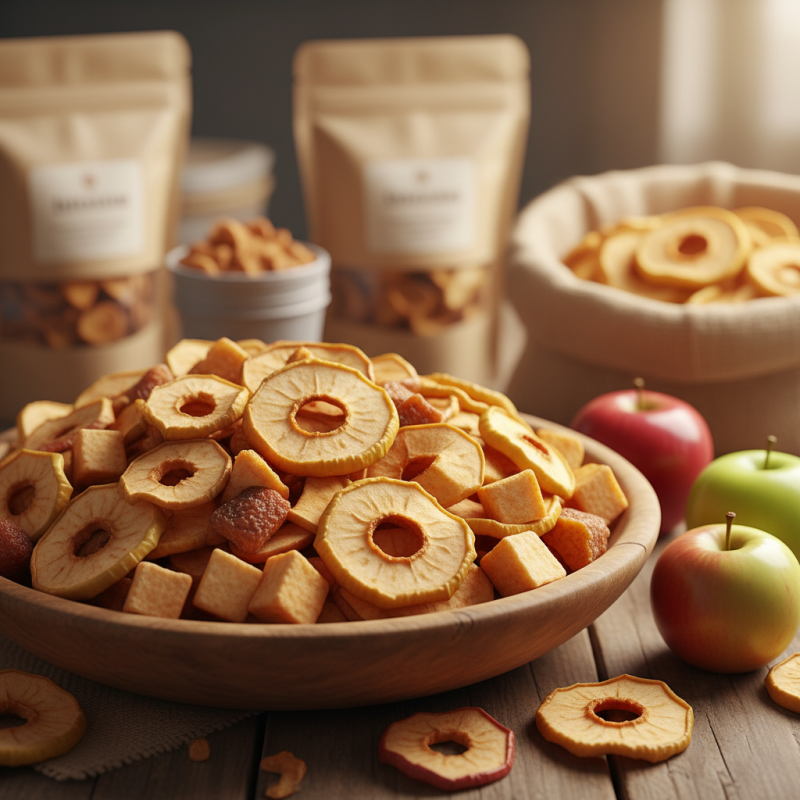
Exploring the world of Dried Apples reveals a variety of options for global buyers. Dried apples have gained popularity due to their versatility and long shelf life. This fruit offers convenience while delivering nutritional benefits, making it an appealing choice for health-conscious consumers.
As we delve into sourcing the best dried apples, it’s essential to consider quality and flavor. Different drying methods can impact texture and taste. Some brands may skimp on flavor or freshness, leading to disappointment. Buyers must verify suppliers’ reputations and seek out products with natural sweetness and appealing color.
Choosing the right dried apples requires thoughtful consideration. Not all dried apples are created equal. Sourcing from trusted producers can enhance the buyer's experience. By prioritizing quality, global buyers can ensure they offer top-notch dried apples that meet customer expectations.
Overview of Dried Apples and Their Popularity in Global Markets
Dried apples have gained significant popularity in global markets. Their versatility and health benefits attract various buyers. These fruits retain essential vitamins and minerals, making them a nutritious snack. They are rich in fiber, which supports digestive health. This combination of taste and nutrition appeals to health-conscious consumers.
In recent years, trends show an increase in demand for dried apples. Consumers seek natural and convenient food options. Dried apples serve as an excellent ingredient in both sweet and savory dishes. They are often included in baked goods, trail mixes, and salads. However, the quality of dried apples can vary. Buyers need to be cautious about sourcing high-quality products.
Sustainability is another vital aspect of the dried apple market. Many producers focus on environmentally friendly practices. This trend resonates with consumers who prioritize sustainable sourcing. Transparency in the production process is essential. Buyers should look for suppliers who provide detailed information about their practices. Engaging with reputable sources helps ensure the quality and sustainability of dried apples.
Types of Dried Apples Available for International Buyers
When sourcing dried apples, international buyers face various options. The market offers several types, each with unique characteristics. One popular choice is traditionally dried apples. These retain much of the fruit’s natural flavor and aroma. They are often sliced, making them easy to use in recipes or snacks.
Another option is freeze-dried apples. This method preserves nutrients well and maintains a crunchy texture. They rehydrate easily, making them ideal for cooking and baking. Additionally, buyers can opt for organic dried apples. These come from pesticide-free sources, appealing to health-conscious consumers.
Tips: Consider the texture you desire. Chewy apples work well in granola and trail mixes. Crunchy varieties add a delightful twist to salads. Also, examine the packaging for freshness. Airtight seals help maintain the apples’ quality during storage.
To make informed choices, connect with suppliers who prioritize quality. Look for certifications that reflect their commitment to health standards. This helps ensure your dried apples are safe and nutritious. Remember, sustainable sourcing matters. It not only benefits your business but also supports ethical practices in agriculture.
Key Factors to Consider When Sourcing Dried Apples
When sourcing dried apples, quality is paramount. Buyers should evaluate the drying process employed. Sun-dried apples may have a different taste than those processed in controlled environments. It's essential to consider how each method affects flavor and nutritional content. Look for products that retain vibrant color and natural sweetness, which often indicate superior quality.
Packaging also plays a crucial role. Resealable, moisture-proof bags can extend freshness, impacting the overall experience. Moreover, sourcing from suppliers with transparency in their processes builds trust. Are they willing to share their farming methods? This openness can indicate a commitment to quality, and it’s worth assessing how they handle their products from orchard to shelf.
Certifications and inspections matter. Look for organic or non-GMO labels. These certifications may suggest a higher standard of care in cultivation and processing. However, don’t overlook local suppliers. They can offer unique varieties and fresher options. Sometimes, smaller producers may lack fancy packaging but deliver exceptional flavor. Every choice shapes your product’s final quality.
Best Dried Apples for Global Buyers to Source Today? - Key Factors to Consider When Sourcing Dried Apples
| Quality Grade | Moisture Content (%) | Color | Packaging Type | Origin | Price Range (USD/kg) |
| Premium | 15 | Golden Yellow | Bulk Bag | USA | 5.00 - 7.00 |
| Standard | 18 | Light Brown | Vacuum Pack | China | 3.00 - 5.00 |
| Organic | 12 | Dark Red | Glass Jar | Chile | 7.00 - 9.00 |
| Economy | 20 | Yellowish | Sachets | Turkey | 2.00 - 3.50 |
Top Regions Known for Quality Dried Apple Production
When sourcing dried apples globally, certain regions stand out for their quality production. The United States, particularly the Pacific Northwest, has a robust dried apple market. According to the USDA, Oregon and Washington together account for nearly 35% of total U.S. apple production. The climate here is ideal, with ample rainfall and rich soil, leading to flavorful apples that translate well into dried products.
Another key player is China, which dominates the global dried fruit market. In 2022, China's dried apple production reached over 200,000 tons. The country benefits from diverse apple varieties and advanced drying technologies. However, there can be variability in quality and taste, which may require careful supplier vetting.
In addition, countries like Iran and Turkey offer unique dried apple varieties. Their production practices, rooted in centuries of agricultural tradition, yield distinct flavors. Iranian dried apples are often noted for their natural sweetness. Turkish dried apples, meanwhile, are favored for their chewy texture. Buyers should consider regional tastes and preferences, as these factors influence market demand significantly. While quality can be high, buyers must be mindful of inconsistencies that may arise from varying harvest conditions.
Culinary Uses and Health Benefits of Dried Apples
Dried apples are not just a tasty snack; they are also packed with health benefits. According to the U.S. Department of Agriculture, dried apples contain fiber, antioxidants, and essential vitamins. One serving can provide about 22% of the daily recommended value of dietary fiber, which aids digestion and promotes gut health.
In culinary contexts, dried apples are incredibly versatile. They can be added to oatmeal, salads, or baked goods. The Journal of Nutrition highlights that apples are particularly high in polyphenols, beneficial compounds that may help lower the risk of chronic diseases. Yet, care must be taken; excessive sugar in some dried apple products can counteract these benefits.
Sourcing high-quality dried apples means understanding the drying process. While dehydration concentrates flavors, it can also lead to nutrient loss. Some methods retain more vitamins than others. Buyers should seek products that minimize additives, maintaining both taste and health benefits. Balancing quality and cost is essential for making informed sourcing decisions.