Discover the Benefits of Functional FIBC Bags for Your Business?
In today's competitive market, businesses seek efficient packaging solutions. Functional FIBC Bags have emerged as a game-changer. These bags are specifically designed for bulk handling of various materials, addressing both safety and efficiency. According to industry reports, the global FIBC market is expected to grow at a rate of over 5% annually, reflecting their increasing importance.
Functional FIBC Bags offer distinct advantages, such as high load capacity and ease of transportation. They are suitable for industries ranging from agriculture to construction. Data indicates that proper use of these bags can reduce shipping costs by up to 15%. However, many organizations still struggle with selecting the right type for their needs, which can lead to inefficiencies.
While the benefits are clear, challenges remain. Not all manufacturers adhere to quality standards. Businesses must verify reliability before making commitments. Functional FIBC Bags can significantly enhance operations, but understanding their specifications is crucial. Investing time in research is essential for optimizing their use.
Understanding Functional FIBC Bags: An Overview of Their Applications
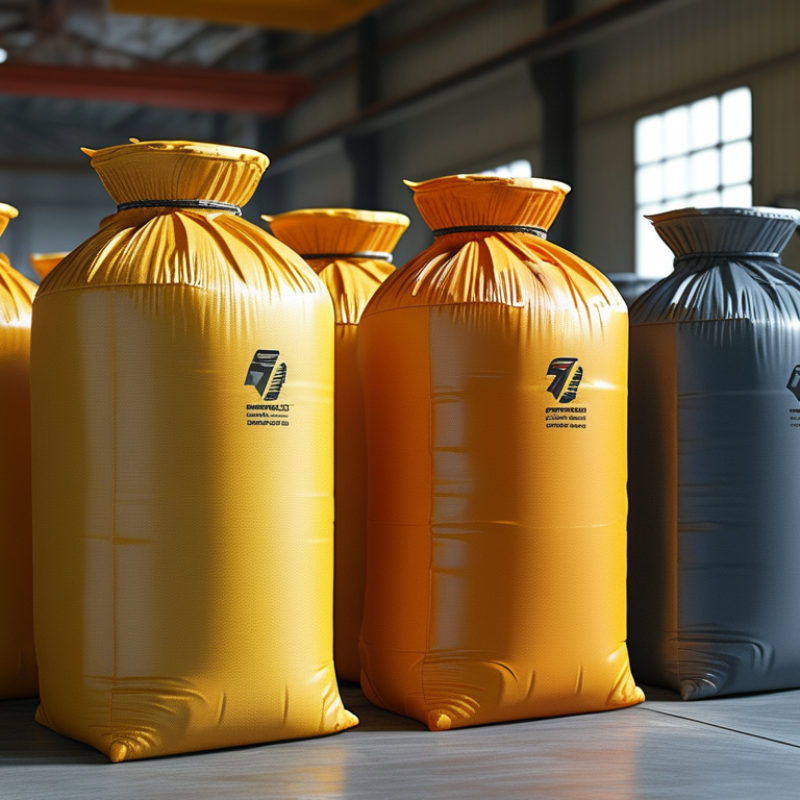
Functional FIBC bags, or flexible intermediate bulk containers, offer significant advantages in various industries. These bags are not only lightweight but also incredibly strong. They can hold a large volume of materials, making them ideal for bulk shipping and storage. According to a recent market study, the global FIBC market is expected to reach $7 billion by 2025, showcasing their increasing importance in logistics.
These bags serve multiple applications, including food storage, chemicals, and construction materials. Their ability to withstand harsh conditions makes them suitable for diverse environments. They are designed to protect products from contamination, which is crucial for food-grade materials. Additionally, the reusability and recyclability of FIBC bags add to their appeal in sustainable practices.
Tip: Ensure proper training for staff handling FIBC bags. Lack of training can lead to mishandling, which may result in material loss.
FIBC bags are also customizable. You can choose different sizes, fabrics, and designs to match your specific needs. An insightful report indicates that customized FIBC bags can help businesses improve efficiency by up to 30%. However, not all FIBC bags are created equal. Businesses should carefully assess materials and specifications to avoid potential issues.
Tip: Regularly review and assess your supply chain processes. This can help identify if FIBC bags are the right fit or if adjustments are needed.
Key Advantages of Functional FIBC Bags for Bulk Material Handling
Functional FIBC bags, or flexible intermediate bulk containers, are transforming the landscape of bulk material handling. These bags can significantly enhance operational efficiency in various industries. They are designed to hold large quantities of materials while ensuring safety and stability. Their flexibility allows businesses to reduce storage space, making them ideal for many applications.
One key advantage is their durability. Made from high-quality woven fabrics, they resist tears and punctures. This quality helps minimize loss and damage during transportation. Additionally, these bags can be customized. Businesses can choose sizes, dimensions, and features to meet specific needs. This customization ensures optimal handling of diverse materials, ranging from powders to granules.
However, companies must also consider the environment. The production and disposal of FIBC bags raise questions about sustainability. Collaborating with suppliers that prioritize eco-friendly materials can mitigate this issue. It's vital to balance efficiency with responsibility. This reflection can lead to improved practices in the long term, showcasing a commitment to both business and environmental health.
Industry Statistics: The Increasing Adoption of FIBC Bags
The increasing adoption of Flexible Intermediate Bulk Containers (FIBC bags) reflects a significant shift in various industries. Recent statistics indicate that more businesses recognize the advantages of these versatile bags. They are durable, lightweight, and customizable, making them ideal for many applications. Companies are transitioning from traditional packaging to FIBC bags, enhancing efficiency in storage and transport.
Using FIBC bags can greatly improve your supply chain. They can carry large quantities while using less material. This means lower costs and a smaller carbon footprint. When considering FIBC bags, ensure that you choose the right size and type for your products. Mistakes in size selection can lead to increased waste and inefficiency.
Tip: Always conduct a trial run with your chosen FIBC bags. Monitor their performance under real conditions to assess durability and handling ease. This step can prevent unexpected issues later. Another suggestion: engage with suppliers to understand material options. Knowing what materials best suit your products can enhance safety and quality. Exploring these aspects can lead to better results for your business.
Discover the Benefits of Functional FIBC Bags for Your Business
| Year | Global FIBC Market Size (USD Billion) | Growth Rate (%) | Main Application Sector | Average Adoption Rate (%) |
| 2018 | 4.5 | 4.0 | Agriculture | 30 |
| 2019 | 4.7 | 4.5 | Construction | 35 |
| 2020 | 5.0 | 6.4 | Pharmaceutical | 40 |
| 2021 | 5.5 | 10.0 | Food & Beverage | 45 |
| 2022 | 6.0 | 9.1 | Chemicals | 50 |
Sustainability Considerations: Eco-Friendly Aspects of FIBC Bags
FIBC bags, known for their versatility, are increasingly being recognized for their eco-friendly features. Made primarily from woven polypropylene, these bags are recyclable, reducing landfill waste. When businesses switch from traditional packaging to FIBC bags, they contribute to a circular economy. This shift not only decreases plastic pollution but also encourages sustainable practices in manufacturing.
However, the sustainability of FIBC bags also comes with challenges. The production process can involve energy-intensive practices that may offset some environmental benefits. Businesses need to ensure that they are sourcing their materials from responsible suppliers. Transparency in the supply chain is vital, as it reflects a company's commitment to sustainability. Additionally, companies should consider the entire lifecycle of the bags. Reuse and recycling must be part of the plan to maximize their environmental impact.
The eco-friendly attributes of FIBC bags foster a stronger connection between businesses and consumers. Many customers prefer to support companies committed to sustainability. This trend opens up opportunities for brands to align their practices with consumer values. However, ongoing reevaluation of practices is essential. Businesses must continuously seek improvements in their sustainability journey, addressing potential pitfalls along the way.
Future Trends: Innovations in FIBC Bag Design and Functionality
The world of Flexible Intermediate Bulk Containers (FIBC) is witnessing rapid growth. Innovations in design and functionality are transforming how businesses use these bags. Improved materials enhance durability while reducing weight. Companies are now able to transport bulk goods securely and efficiently. This emphasis on functionality also leads to better cost savings in logistics.
One notable trend is the development of eco-friendly FIBC bags. Manufacturers are experimenting with biodegradable options and recyclable materials. This shift reflects a growing commitment to sustainability. Businesses are becoming more conscious of their environmental impact. However, sourcing these materials can pose challenges. Not all suppliers can guarantee durability, which remains a crucial factor for businesses.
Another exciting development is the integration of smart technology. Some modern FIBC bags incorporate sensors to monitor weight and conditions. These features provide real-time data, aiding in inventory management. While intriguing, fully utilizing this technology requires training and adaptation. Businesses must assess whether the benefits outweigh the learning curve. Overall, innovation continues to shape the future of FIBC bags, creating both opportunities and challenges.
Discover the Benefits of Functional FIBC Bags for Your Business