Top Benefits of Compostable Stand Up Pouches for Sustainable Packaging?
Sustainability is a growing concern in today's world. As businesses seek eco-friendly solutions, Compostable Stand Up Pouches emerge as a viable option. These innovative pouches offer a unique balance of functionality and environmental responsibility. Made from biodegradable materials, they provide an alternative to traditional plastic packaging.
Compostable stand up pouches decompose naturally, reducing waste. This process not only minimizes landfill contributions but also enriches soil health. Companies adopting these pouches demonstrate their commitment to sustainable practices, gaining consumer trust. However, the transition to compostable materials can be challenging. Not all consumers are aware of how to dispose of these items properly.
This gap in knowledge highlights the need for better education on composting. While compostable stand up pouches are a step forward, businesses must engage consumers in sustainable practices. Ultimately, the impact of these pouches depends on broader community involvement.
Advantages of Compostable Stand Up Pouches in Sustainable Packaging
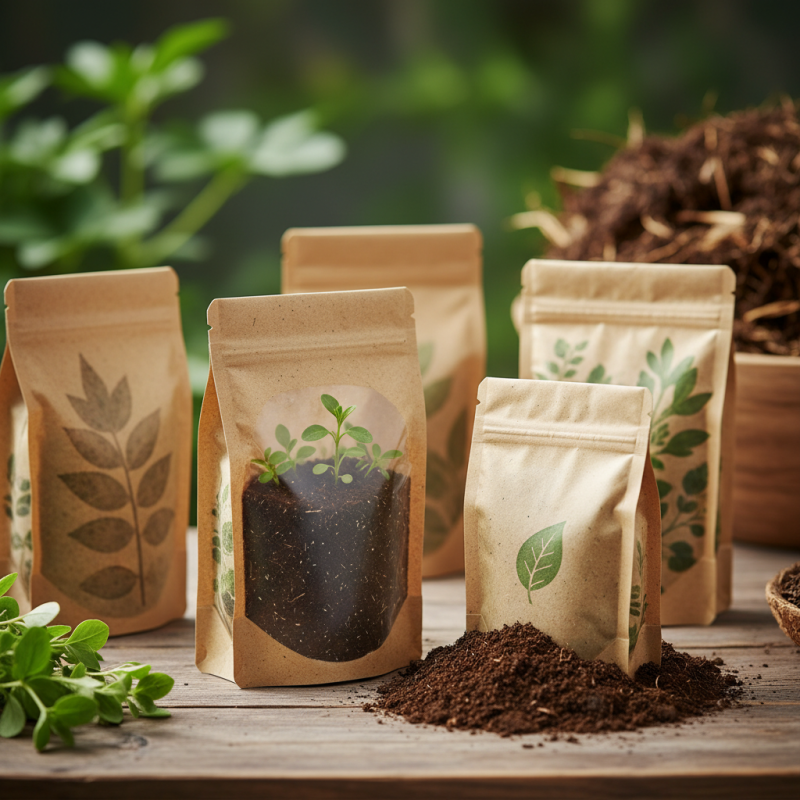
Compostable stand up pouches are gaining popularity in sustainable packaging. They offer numerous advantages that make them an eco-friendly choice. Made from plant-based materials, these pouches break down naturally, minimizing landfill waste. Unlike traditional plastic, they decompose into beneficial organic matter. This helps return nutrients to the soil, promoting healthy ecosystems.
In terms of usability, compostable stand up pouches are versatile. They maintain the freshness of food products, proving effective for various items like snacks and grains. The design provides excellent barrier properties, preventing moisture and air from spoiling contents. Yet, proper disposal is vital. Composting facilities are not available everywhere, limiting their effectiveness in some areas.
People may not realize that not all compostable materials decompose at the same rate. Factors such as temperature and humidity play a significant role. It's crucial to educate consumers on proper disposal methods. Some may mistakenly throw these pouches in regular trash. Awareness is key to maximizing their environmental benefits. Though compostable stand up pouches offer a solution, more infrastructure is needed to support widespread use.
Environmental Impact Reduction through Compostable Materials
Compostable stand-up pouches represent a significant advancement in sustainable packaging. By using materials that break down naturally, these pouches reduce landfill waste. Traditional plastics can take centuries to decompose. In contrast, compostable options can return to the earth in mere months. This shift influences both consumers and manufacturers toward eco-friendly practices.
Creating awareness about the environmental impact of packaging is crucial. Many companies still rely on conventional materials. This reliance contributes to pollution and ecosystem harm. Educating businesses about compostable alternatives offers a pathway to positive change. It encourages them to consider the long-term effects of their choices.
However, compostable packaging isn’t without challenges. The composting process requires specific conditions to work effectively. Not all composting facilities accept these pouches. This creates inconsistency in recycling efforts. Consumers must also stay informed about disposal options. When addressing sustainability, we must remain open to continuous learning and improvement.
Cost-Effectiveness of Compostable Stand Up Pouches for Businesses
Compostable stand-up pouches are gaining traction in sustainable packaging. These pouches offer an eco-friendly option for businesses looking to reduce their environmental footprint. Research by the Biodegradable Products Institute reveals that using compostable materials can lessen landfill waste by up to 80% compared to traditional plastics. This significant reduction makes compostable pouches an appealing choice for eco-conscious brands.
Cost-effectiveness is another vital aspect. Many businesses are concerned about the initial investment in compostable materials. However, a study from Smithers Pira indicates that compostable packaging can lead to long-term savings. It notes that companies could save up to 30% on disposal costs due to lower landfill fees. Additionally, consumers are increasingly favoring sustainable products. A Nielsen report found that 66% of global consumers are willing to pay more for sustainable brands. Investing in compostable stand-up pouches may enhance brand loyalty and attract a broader customer base.
Despite the advantages, challenges remain. Transitioning to compostable materials requires education for both businesses and consumers. Misunderstandings about composting processes can lead to improper disposal. Furthermore, sourcing quality compostable pouches can be difficult in some regions. Addressing these issues is essential for maximizing the benefits of this innovative packaging solution.
Consumer Preference for Eco-Friendly Packaging Solutions
Consumer preference for eco-friendly packaging solutions continues to grow. A recent survey indicated that 72% of consumers prefer sustainable packaging options. They associate these options with environmental responsibility. This trend highlights the need for businesses to adapt. Compostable stand-up pouches are becoming increasingly popular in response to these demands.
These pouches are designed to break down naturally, reducing landfill waste. Studies show that using compostable materials can lower carbon emissions by up to 50%. This makes them an attractive choice for brands aiming to enhance their sustainability credentials. Consumers today want to make purchasing decisions that align with their values. They are willing to pay more for products with eco-friendly packaging. It’s a clear message from consumers that sustainability matters.
Tips for brands: Consider investing in compostable materials. Educate your customers about the benefits of compostable packaging. Transparency is crucial; share your sustainability goals and achievements. Remember, not all biodegradable products are created equal. Choose certified options to ensure they meet environmental standards. Engaging your audience on sustainability can foster brand loyalty.
Comparison of Compostable Pouches to Traditional Packaging Options
Compostable stand up pouches offer a compelling alternative to traditional packaging options. Unlike plastic pouches, these are made from plant-based materials that can break down in composting environments. This means they leave no harmful residues behind, promoting a healthier planet. The production of compostable pouches typically uses fewer fossil fuels, making them a more sustainable choice.
In contrast, traditional packaging often contributes to environmental degradation. Plastic materials can take hundreds of years to decompose. They frequently end up in landfills or the ocean, causing harm to wildlife. Additionally, the recycling process for plastic can be inefficient, often resulting in contamination and waste. While compostable pouches require proper composting facilities to break down effectively, they encourage a circular economy by returning nutrients to the soil.
Yet, the shift to compostable packaging is not without its challenges. Many consumers are still unaware of the proper disposal methods. If compostable pouches are placed in recycling bins, they can disrupt the process. This highlights the need for clearer labeling and better public education. Effective communication is crucial to ensure that these eco-friendly options are used correctly.
Top Benefits of Compostable Stand Up Pouches for Sustainable Packaging
| Feature | Compostable Stand Up Pouches | Traditional Packaging Options |
| Biodegradability | Fully biodegradable within 90-180 days | Can take hundreds of years to decompose |
| Environmental Impact | Lower carbon footprint and reduced landfill waste | Higher carbon emissions and landfill contribution |
| Consumer Preference | Increasingly favored by eco-conscious consumers | Less appeal to sustainable-minded consumers |
| Cost | Generally higher initial cost, with long-term savings | Lower initial cost but higher environmental cost |
| Versatility | Available in various sizes and designs | Variety in forms but limited sustainable designs |
| Regulatory Compliance | Meets stringent composting standards | Regulations vary; less strict in many cases |