

2026 Best Casual Women Wear Trends for Global Buyers
Casual Women Wear is entering 2026 with a practical challenge: shoppers want clothes that feel relaxed, look considered, and work across changing routines. For global buyers, that means watching silhouettes, fabrics, and details—not chasing every runway idea. Comfort matters. So does repeat wear.
Designer Yves Saint Laurent is often credited with the line, “Fashions fade, style is eternal.” It offers a useful lens for this trend guide: prioritize pieces with lasting appeal, while noting the colors, proportions, and textures that make a collection feel current. A softly structured shirt, breathable cotton trousers, or a light layer in a versatile neutral can serve as concrete starting points. Local climates and customer preferences still shape what sells; one market’s everyday staple may feel impractical elsewhere.
This overview explores 2026 trend directions through a buyer-focused lens, including adaptable silhouettes, fabric choices, color stories, and styling details. It also considers how to balance fresh design with fit, comfort, and wardrobe versatility. Trends are signals, not guarantees. Forecasts can miss. Buyers should compare them with customer feedback, sampling results, and the realities of their own assortment before making decisions.
Understanding Casual Womenswear and Its 2026 Market
Casual womenswear covers everyday pieces such as T-shirts, relaxed trousers, knit tops, skirts, and easy dresses. Buyers assess more than appearance: fabric hand feel, opacity, seam strength, and how garments behave after washing all matter. In 2026, shoppers continue to look for comfort that still feels considered. Soft structure, versatile layers, and useful pockets can make simple items more appealing.
The market is not uniform. Warm-weather regions may favor breathable cotton blends and lighter colors, while cooler markets often need layering pieces and denser knits. Online customers also rely on clear measurements and accurate product photos before ordering. Demand can shift quickly, so large commitments to one silhouette may carry risk. Trend forecasts are useful, but they are not guarantees. Even a popular cut may fit differently across customer groups.
Tips: Request fabric samples and test shrinkage, colorfastness, and seam durability before confirming an order. Review size charts against your target market, not just a supplier’s standard measurements. Comfort matters. Ask customers for fit feedback after launch; their comments may expose assumptions your team missed.
Key Casual Womenswear Trends Shaping 2026
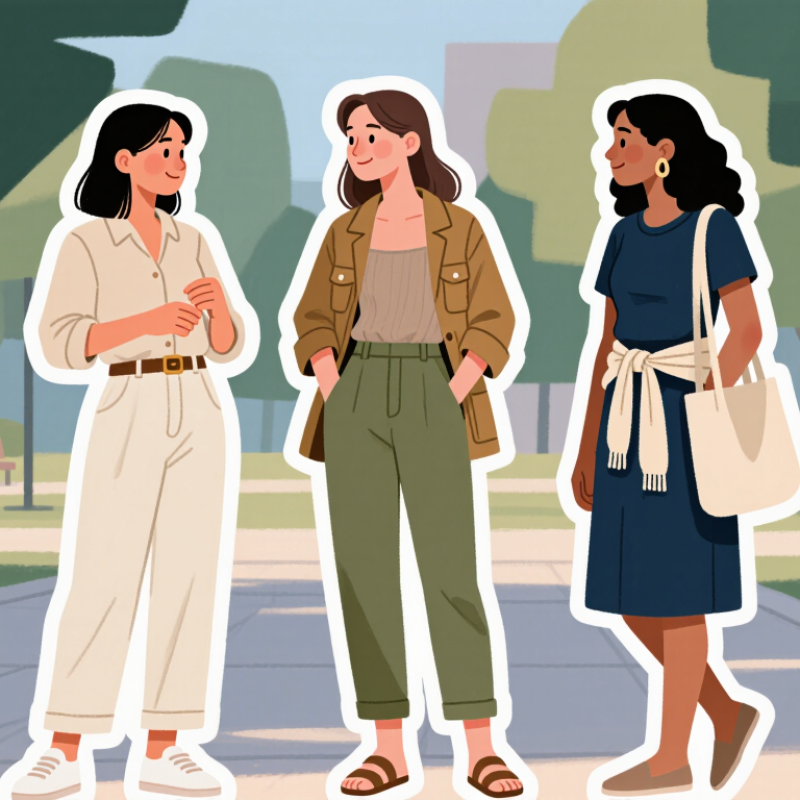
Key casual womenswear trends for 2026 favor ease with a clearer sense of shape. Buyers are seeing relaxed trousers, soft-shouldered shirts, and roomy dresses designed for movement. Comfort still matters. Yet volume needs control: a wide leg often pairs better with a neat tee or cropped jacket. Otherwise, the outfit can feel oversized rather than intentional.
Fabric choices are becoming more tactile and practical. Lightweight cotton blends, linen-rich weaves, and brushed jersey offer texture without demanding complicated care. Small details count. Look for adjustable waistbands, useful pockets, clean seams, and colors that work across multiple seasons. These features can encourage repeat wear, though performance depends on fabric construction and finishing. Ask suppliers for composition details, shrinkage results, and wash-test samples before confirming bulk orders.
Color stories lean toward grounded neutrals, muted greens, and softened blues, with brighter accents used selectively. That palette travels well, but regional preferences still vary. A buyer serving warmer markets may prioritize airy layers, while cooler regions need knit tops and overshirts. Fit is less settled. Some customers prefer generous cuts; others find them difficult to style. Use local sales data and wear trials to guide size curves rather than assuming one global fit. Trend forecasts are useful, not guarantees.
Popular Fabrics, Colors, Fits, and Styling Details
For 2026, casual womenswear is moving toward pieces that feel relaxed but still look considered. Buyers can expect lightweight cotton, linen blends, and soft knits to remain useful across seasons. Look for breathable weaves with enough structure to hold a shirt’s shape after washing. Soft, not flimsy. Fabric performance matters as much as appearance, so check shrinkage, colorfastness, and care instructions before placing larger orders.
Color stories are leaning toward warm neutrals, muted greens, dusty blue, and occasional brighter accents. These shades pair easily with existing wardrobes, though regional preferences and climate can change what sells. A roomy straight-leg trouser, an easy shirt dress, and a slightly boxy tee offer flexible fits without feeling oversized. Fit still matters. Review measurements across sizes, especially shoulder width and rise; a sample that fits one model may not work for every customer.
Small styling details can make simple garments feel more distinctive. Try contrast stitching, subtle pleats, adjustable waist ties, or practical pockets that sit flat when used. A linen-blend shirt with rolled sleeves can move from warm workdays to weekends, while a fine-gauge knit layers neatly over a tank. Keep trims comfortable against skin and avoid details that complicate care. Trend forecasts are imperfect, and some colors may linger longer than expected, so a balanced assortment is often safer than betting heavily on one look.
Regional Preferences Among Global Casualwear Buyers
Casualwear preferences vary by climate, daily routines, and local ideas of comfort. In North America, buyers often look for relaxed denim, soft tees, and light layers that move easily between errands and travel. European customers may favor adaptable pieces, such as straight-leg trousers, knit tops, and neutral overshirts. Still, these are broad patterns, not rules for every shopper.
Across parts of Asia-Pacific, breathable fabrics, lighter construction, and compact silhouettes can suit warm weather and busy commutes. In some Middle Eastern markets, longer hems and layering options may be important alongside airflow. Latin American buyers may welcome brighter colors and versatile separates, but local demand differs by city and season. Fit still matters. A common buying mistake is treating a whole region as one market; climate, sizing expectations, and modesty preferences can vary sharply within it.
Tips: Review local sales data and customer feedback before setting a size or color range. Check fabric weight, opacity, and garment measurements on real samples. Ask regional partners to test fit and styling. Their feedback may challenge your first assumptions—and that is useful.
| Buyer Region | Casualwear Preferences | Relevant 2026 Product Directions | Fabric and Fit Considerations | Climate and Seasonal Factors |
|---|---|---|---|---|
| North America | Versatile everyday separates, relaxed denim, comfortable knitwear, and pieces suited to work, travel, and leisure. | Easy layering, coordinated casual sets, relaxed shirts, straight-leg trousers, and adaptable day-to-evening styles. | Prioritize comfortable stretch, practical pockets, easy-care fabrics, and a broad range of fits and sizes. | Offer lightweight options for warm seasons alongside layering pieces for colder regions and transitional weather. |
| Western Europe | Wearable, understated styles with an emphasis on versatility, thoughtful design, and longer-term use. | Clean silhouettes, refined basics, relaxed tailoring, knit tops, and mix-and-match wardrobe pieces. | Natural-fibre and recycled-fibre options may appeal to buyers seeking material transparency; include clear care and composition details. | Layer-friendly collections are useful for changeable weather; provide lightweight and midweight options across the year. |
| East Asia | Polished casual looks, neat proportions, and coordinated outfits that balance comfort with a considered appearance. | Compact layering pieces, smart-casual tops, versatile skirts and trousers, and coordinated separates. | Offer consistent sizing information, neat finishing, and options across different garment lengths and proportions. | Lightweight layers and breathable fabrics suit humid summers; adaptable outer layers support cooler seasons. |
| South Asia | Breathable everyday clothing, comfortable silhouettes, and versatile styles suited to warm conditions and varied occasions. | Airy tops, relaxed trousers, lightweight dresses, and modest layering options where relevant to the target market. | Consider breathable cotton and other lightweight fabrics, comfortable ease, and opacity appropriate to the garment. | Heat, humidity, and seasonal monsoon conditions make quick-drying or easy-care options useful in many markets. |
| Southeast Asia | Light, practical casualwear that works in hot, humid conditions and supports everyday movement. | Relaxed tops, easy dresses, lightweight coordinated sets, and casual pieces that transition between indoor and outdoor settings. | Favor breathable construction, lightweight materials, comfortable fits, and care instructions suited to frequent washing. | Year-round warmth and humidity make ventilation, moisture comfort, and light layering important considerations. |
| Middle East | Comfortable casual styles with flexible coverage options and pieces suitable for indoor and outdoor settings. | Longer-line tops, relaxed trousers, layering shirts, flowing dresses, and versatile modest styling options. | Consider breathable fabrics, opaque constructions where needed, and cuts that allow movement without clinging. | Lightweight fabrics are important in hot seasons; provide layering options for air-conditioned interiors and cooler periods. |
| Latin America | Comfortable, expressive everyday clothing with versatile separates and styles suited to a range of climates. | Casual dresses, relaxed tops, denim, and mix-and-match pieces in a choice of colors and prints. | Balance ease of movement with durable, easy-care construction; fit preferences can vary substantially by country. | Account for both tropical conditions and cooler highland or southern markets rather than relying on one regional weight range. |
| Australia and New Zealand | Relaxed, practical casualwear suited to active lifestyles, travel, and changing outdoor conditions. | Casual dresses, breathable tops, versatile shorts and trousers, and lightweight layers. | Comfort, durability, sun-conscious coverage, and easy-care materials are useful product considerations. | Seasonality is opposite to the Northern Hemisphere; align assortment timing with local spring-summer and autumn-winter calendars. |
Regional patterns are broad qualitative guidance, not measured sales shares or a representative buyer survey. Preferences vary by country, climate, age group, price segment, and sales channel; validate assortment decisions with local buyer feedback and current market data.
How to Evaluate Suppliers and Select Trend-Ready Collections
A trend-ready collection should be more than attractive photos on a supplier’s website. Ask how recently the styles were developed, which fabrics are available, and whether colors can be matched across repeat orders. Request close-up images of seams, buttons, and fabric texture. Ask for a physical sample before committing to a larger order. Small details matter.
Supplier evaluation also depends on clear, consistent information. Compare sample quality, stated production timelines, minimum order quantities, and responses to specific questions. A dependable supplier can explain fabric composition and care instructions without vague promises. Check whether size charts reflect actual garment measurements, then compare them with your target market’s expectations. Even a polished sample may not represent every production unit, so confirm how quality checks are handled. Ask for evidence. One awkward truth: trend reports can make a collection feel urgent, but urgency is not proof of demand. Review sales data, customer feedback, and practical details such as layering, pocket placement, and fabric weight. No checklist catches everything. Some buyers, myself included, can focus too much on color and overlook fit.